How Tight Should Fabric Be When Quilting?
Fabric should be smooth and gently taut when quilting, not stretched tight. The layers need enough control to prevent wrinkles, but too much tension can distort the quilt and cause puckering.
On this page (10 sections)
- How tight should fabric be when quilting?
- What does gently taut fabric look and feel like?
- Can fabric be too tight on a quilting frame?
- How should you tension the quilt top, batting, and backing?
- What causes puckering while quilting?
- Should you tighten fabric more for thick quilts?
- How does fabric tension affect machine quilting?
- Can household quilts help you understand proper tension?
- How can you prevent stretching and puckering?
- How do you adjust fabric tension during quilting?
Fabric should be smooth, flat, and gently taut when quilting. If the quilt layers feel rigid or the fabric pulls out of shape, the tension is too high.
The goal is control rather than stretching. For knit projects, see how to sew stretchy fabric.
Proper tension keeps the top, batting, and backing together while leaving the fabric relaxed enough to settle after stitching.
How tight should fabric be when quilting?
Fabric should have enough tension to remove wrinkles without becoming drum-tight. Press lightly across the surface with your hand.
The fabric should feel stable, but it should still have some natural give.
Work from the center toward the edges when smoothing the layers. This helps release small folds instead of trapping them under the quilting lines.
For a frame or hoop, tighten opposite sides in small steps. Check the center after each adjustment because tightening one side can pull a wrinkle into another area.
Your Top Quilting Machine Tips for Perfect Projects can help you connect fabric tension with needle choice, stitch length, and machine setup.
What does gently taut fabric look and feel like?
Gently taut fabric lies flat without looking stretched. The weave should remain straight, and the quilt should not show diagonal ripples caused by pulling from one corner.
A useful check is to lift part of the quilt and lower it again. If the layers move naturally and settle without deep folds, the tension is usually close to right.
Do not use a tight surface as a substitute for good basting. Basting holds the layers in position, while fabric tension only controls how much slack remains during quilting.
How can you check tension on fabric when quilting?
Check tension on fabric when quilting by looking for three signs:
- The top has no loose folds between quilting lines.
- The backing has no wrinkles or pleats.
- The fabric grain remains reasonably straight.
Run your hand over the area you plan to stitch. Stop and smooth the layers if you feel a ridge, pocket, or loose section.
If the quilt is on a machine, support its weight so the fabric does not drag. Uneven drag can look like a tension problem even when the frame or hoop is adjusted correctly.
Can fabric be too tight on a quilting frame?
Yes, fabric can be too tight, and over-tightening may distort the quilt. A rigid surface can make the fabric harder to move and may change how the needle forms stitches.
Watch for stretched corners, wavy borders, and a backing that looks pulled away from the batting. These signs mean you should loosen the fabric slightly and smooth the layers again.
Avoid pulling directly on the fabric edges. Use the frame, clamps, or basting method as intended, and make small adjustments rather than forcing the layers into place.
How should you tension the quilt top, batting, and backing?
The quilt top, batting, and backing should sit together with even tension across all three layers. None of the layers should be stretched tight while another remains loose.
Lay the backing flat first, then place the batting and quilt top without dragging them across the surface. Smooth each layer from the center outward.
If you are using a table for a smaller project, keep the quilt supported around the needle area. The June Tailor Quilt As You Go Table Runner Quilt Pattern Morning Blend includes printed 80% cotton and 20% polyester batting with a piece-by-number pattern and instructions.
Its finished project measures 48 x 15 in, and fabric is not included.
This product is for a defined table runner project rather than a general quilting frame. It can help you practice smooth layer handling on a 48 x 15 in finished piece, but you still need to supply the fabric.
What causes puckering while quilting?
Puckering usually comes from uneven movement or uneven pull, not from fabric that is too loose by itself. Several small issues can combine to draw the fabric into folds.
Common causes include:
- Fabric stretched unevenly during basting.
- Backing wrinkles hidden beneath the batting.
- Machine thread tension that does not suit the layers.
- A needle that is bent, dull, or unsuitable for the fabric.
- Long quilting lines that allow the layers to shift.
- Quilt weight pulling against the sewing area.
Quilt from the center toward the outside when the pattern allows it. Shorter sections give you more chances to smooth the layers before a wrinkle becomes stitched in place.
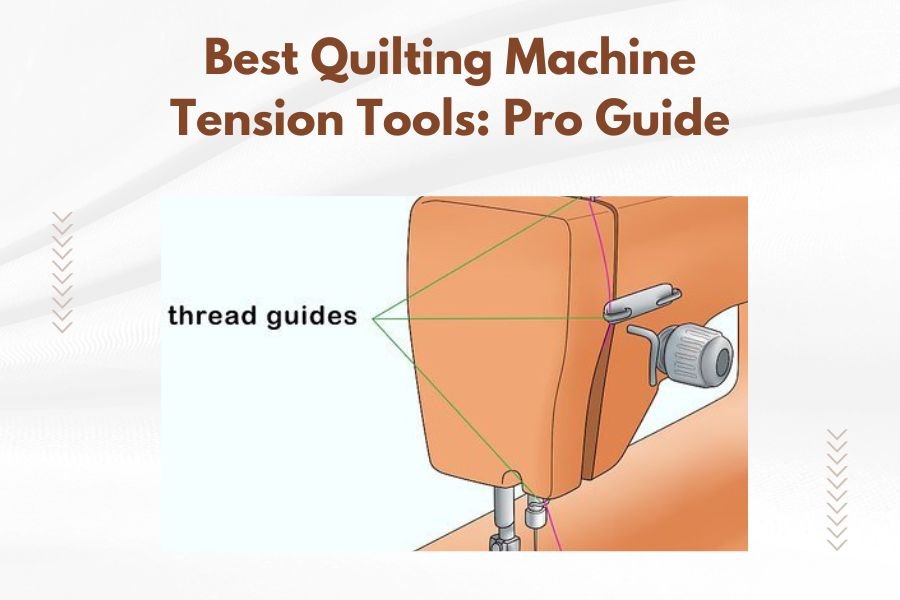
If your machine produces uneven stitches, review the Best Quilting Machine Tension Tools: Pro Guide before making large changes to fabric tension.
Should you tighten fabric more for thick quilts?
Thick quilts need more support, not necessarily more pull. Extra batting or bulky layers can shift when the quilt is moved, so use careful basting and support the project as it passes through the machine.
A thick quilt may also need a longer stitch length or a different needle, depending on the fabric and batting. Make one small test section before changing the whole project.
Do not press down hard on the quilt to flatten it while stitching. Let the feed system move the layers, and guide them without pushing or stretching.
How does fabric tension affect machine quilting?
Fabric tension affects how smoothly the quilt moves under the needle. Too much pull can make the fabric resist movement, while too little support can let folds reach the needle.
Keep the quilt surface level near the presser foot. If the bulk falls off the table, its weight can tug on the stitching area and create uneven feeding.
When using a Brother machine, the advice in How to Quilt with a Brother NX600 can help you think through machine support, presser-foot clearance, and quilt handling.
Thread tension also matters. Adjust the upper and bobbin settings in small steps, and test on a layered scrap made from similar materials.
Can household quilts help you understand proper tension?
Household quilts show why even layers matter, but finished bedding is not a substitute for a quilting test. Use the same basic rule: keep the fabric smooth without stretching it out of shape.
The RECYCO Channel Box Stitch Velvet Quilt Set, King Size, Cream White contains 1 velvet quilt measuring 108 x 96 in and 2 pillow shams measuring 20 x 36 in. It uses a geometric channel stitch pattern and polyester material.
This set is intended as bedding, not as a quilting supply. Its cream white velvet surface and machine-wash care make it relevant when you are comparing finished quilted textures, but it does not replace a properly basted quilt sandwich.
The RECYCO Channel Box Stitch Velvet Quilt Set, King Size, Mocha Brown also includes 1 velvet quilt measuring 108 x 96 in and 2 pillow shams measuring 20 x 36 in. Its mocha brown color and geometric pattern give it a different finished look from the cream white set.
Choose between these bedding sets by color and room style, not by expecting either one to set the tension for a sewing project. For machine care before quilting, see How to Clean a Quilting Machine?.
How can you prevent stretching and puckering?
Prevent stretching and puckering by basting evenly, supporting the quilt, and checking the surface often. Good preparation reduces the need to pull the fabric tight later.
Use these habits:
- Press the quilt top and backing before layering.
- Smooth each layer from the center outward.
- Place basting close enough to control the layers.
- Support the quilt weight beside the machine.
- Stitch a small test area first.
- Stop and smooth the quilt after moving it.
Keep the fabric grain in mind. Pulling a bias edge can make the quilt look smooth for a moment while leaving the weave distorted.
For more fabric guidance, read What Is the Best Fabric for Quilting? and What is a Quilting Machine Fabric Guide?.
How do you adjust fabric tension during quilting?
Adjust fabric tension in small steps and loosen the layers if the grain, borders, or backing begin to distort. Never keep tightening simply because a wrinkle appears in one small area.
Pause with the needle raised and inspect the quilt around the problem. Smooth the layers, check for drag, and then make the smallest frame or basting adjustment needed.
If puckering continues, check thread tension, needle condition, stitch length, and machine cleaning. Fabric tension is only one part of the quilting setup.
The right stopping point is simple: the quilt should stay flat during stitching, but it should not feel stretched. Pick gentle, even tautness for the top, batting, and backing, then correct local wrinkles instead of pulling the whole project tighter.
Frequently asked questions
How tight should fabric be when quilting?
Fabric should lie smooth with light, even tension across the quilt. It should not sag, ripple, or pull against the frame, but you should still be able to move the layers without stretching the weave.
Can fabric be too tight on a quilting frame?
Yes. Fabric that is pulled too tight can distort the grain, make stitches uneven, and create puckers when the quilt relaxes.
Tighten each side until wrinkles disappear, then stop before the fabric feels rigid.
Why does fabric pucker while quilting?
Puckering can come from excessive fabric tension, uneven basting, incorrect thread tension, a dull needle, or quilting lines that pull the layers together unevenly. Check the quilt layers and machine settings before tightening the fabric further.
Should quilt backing be tighter than the top?
The backing should be smooth and gently taut, but it should not be stretched tighter than the quilt top. Uneven tension between the layers can create folds, draw-up, or puckers as you stitch.