
A good budget for a first quilting machine typically ranges from $200 to $500. This price point gives you access to a reliable machine with essential quilting features without breaking the bank.
You want a machine that offers both durability and user-friendliness. Many quilters find that spending a bit more upfront saves them frustration and costly upgrades later on. We found that machines in this range balance quality construction with beginner-friendly functions.
- First quilting machines often cost $200-$500.
- This budget provides essential features and good quality.
- Durability and ease of use are key considerations.
- Spending a little more can save frustration later.
Let’s walk through exactly what features matter most and how to get the best value for your budget.
How Much to Spend on Your First Quilting Machine
For your first quilting machine, aim for a budget between $200 and $500. This range balances affordability with the necessary features for a positive beginner experience. You’ll find machines that are reliable and user-friendly.
Understanding Different Price Tiers for Quilting Machines
Quilting machines come in a wide array of prices. Knowing what each tier offers helps you make an informed decision. You don’t want to overspend, but you also don’t want to buy something that frustrates you.
Entry-Level Machines (Under $200)
Machines in this category are typically very basic. They might be lightweight and portable, which is nice for small spaces or taking to classes. However, they often have limited features and less powerful motors. You might find them struggle with thicker fabric layers or prolonged use. We found these machines can be good for occasional mending but often fall short for dedicated quilting projects.
Mid-Range Machines ($200 – $500)
This is the sweet spot for most beginners. Machines here offer a good balance of features, durability, and ease of use. You’ll find a sturdier build, more stitch options, and better motor power. These machines handle multiple layers of fabric more easily. Many popular models known for beginner quilters fall into this price range, offering good value for your money.
Advanced Machines ($500 – $1000+)
Once you go above $500, machines start to offer more specialized features. These might include automatic thread cutters, larger throat spaces for big quilts, more decorative stitches, and advanced computerization. While these are wonderful machines, they often come with a steeper learning curve and features you might not need as a beginner. It’s often better to start simpler and upgrade later if your passion grows.
Key Features to Look for in Your First Quilting Machine
When you’re shopping, certain features are more important than others for quilting. Focus on these to get the most out of your budget. Think about what will make your quilting journey enjoyable, not frustrating.
Stitch Quality and Options
You need a machine that can produce consistent, even stitches. This is crucial for strong, beautiful quilts. Look for a machine that offers a few basic stitches: a straight stitch, a zigzag stitch, and maybe a few decorative options. A good straight stitch with adjustable length is your best friend for piecing quilt tops.
Motor Power and Durability
Quilting often involves sewing through multiple layers of fabric and batting. A machine with a decent motor won’t bog down or skip stitches. Cheaper machines sometimes have weaker motors that struggle with bulk. You want something that feels solid, not flimsy. A metal frame underneath the plastic casing often indicates better durability.
Ease of Use and User-Friendliness
As a beginner, you want a machine that’s easy to thread, easy to change bobbins, and has clearly marked controls. Don’t underestimate the value of a machine that simply feels intuitive. Automatic needle threaders can be a real time-saver and prevent eye strain. A top-loading bobbin is often simpler to manage than a front-loading one.
Throat Space and Accessories
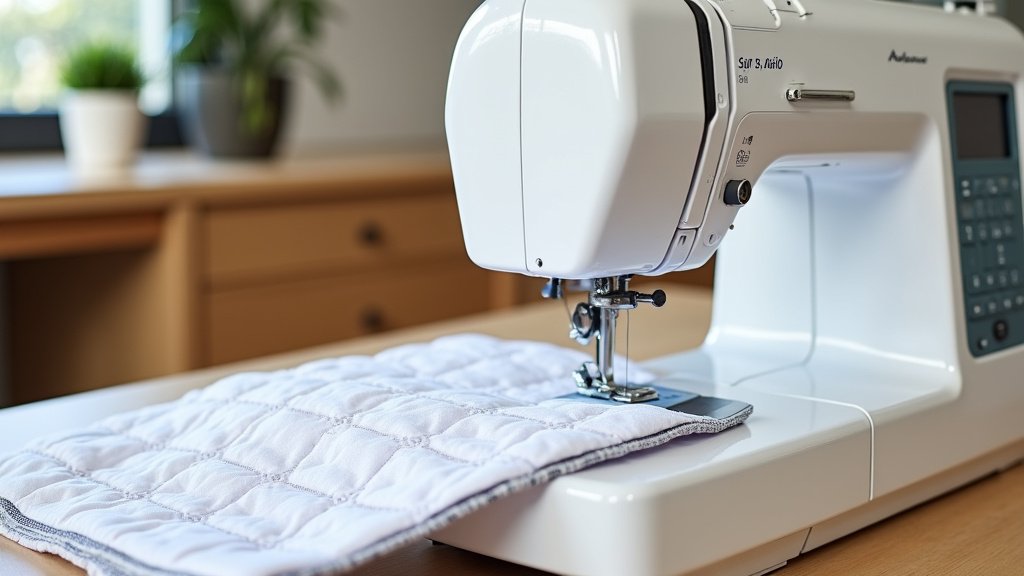
The “throat space” is the area to the right of the needle. A larger throat space makes it easier to maneuver bigger quilt tops. While you won’t need a huge one for your first machine, a little extra room is always nice. Also, check what accessories come with the machine. A walking foot and a 1/4-inch piecing foot are incredibly helpful for quilters (Brother Sewing).
Finding the Best Value in Your Budget
Getting a great machine doesn’t always mean spending the most. It means spending wisely. We found several strategies can help you maximize your budget and find a machine you’ll love.
Consider Refurbished or Used Machines
Just like cars, sewing machines can have a great second life. A refurbished machine from a reputable dealer often comes with a warranty and has been inspected. Used machines, especially from local sewing shops or trusted sellers, can be a fantastic deal. You might get a higher-end model for a mid-range price. Always ask to test it out before buying.
Brand Reputation and Support
Some brands are known for their reliability and customer support. Brands like Brother, Singer, Janome, and Juki often have models that are well-regarded by quilters. Look for a brand that offers good customer service and readily available parts. This can make a big difference if you ever need help or repairs.
Your First Quilting Machine Checklist
Keep this checklist handy when you’re comparing machines. It will help you stay focused on what truly matters for a beginner quilter.
- Is it within my $200-$500 budget?
- Does it offer consistent stitch quality?
- Is it easy to thread and operate?
- Does it have a good straight stitch and adjustable stitch length?
- Does it feel sturdy, not flimsy?
- Can I easily find reviews from other quilters?
A Quick Comparison of Machine Types
To help you visualize what you might get at different budget points, here’s a simple comparison table. Remember, these are general guidelines, and specific models will vary.
| Price Range | Typical Features | Pros for Quilters | Cons for Quilters |
|---|---|---|---|
| Under $200 | Basic stitches, plastic parts, lighter motor | Very affordable, portable | Struggles with thick layers, less durable, limited features |
| $200 – $500 | Multiple stitches, stronger motor, some metal parts, good accessories | Good stitch quality, handles quilting layers, reliable | May lack advanced features, throat space can be limited |
| $500 – $1000+ | Many stitches, large throat space, automatic features, computerization | Excellent performance, many conveniences | More expensive, potentially overwhelming for beginners |
Conclusion
Choosing your first quilting machine is an exciting step. You don’t need the most expensive model to get started. Focus on a budget between $200 and $500 to find a reliable, beginner-friendly machine.
Prioritize consistent stitch quality, a sturdy build, and ease of use. These features will support your learning and make quilting more enjoyable. Remember, a great machine for you is one that you’ll actually love using.
Now, take what you’ve learned and confidently start your search for the perfect first quilting machine!
Frequently Asked Questions
Is it worth buying a used quilting machine?
Yes, buying a used or refurbished quilting machine can be an excellent way to save money. We found you can often get a higher-quality model for a mid-range price. Always inspect it thoroughly and ask about its service history before purchasing.
What’s the most important feature for a beginner quilting machine?
For a beginner, the most important feature is a machine’s ease of use combined with consistent stitch quality. A machine that is simple to thread, operate, and produces reliable stitches will make your quilting journey much more enjoyable.
Can I quilt on a regular sewing machine?
You can definitely start quilting on a regular sewing machine. Many standard machines have the basic straight and zigzag stitches you need for piecing and simple quilting. Just make sure it can handle multiple layers of fabric without struggling.
Should I get a computerized or mechanical quilting machine first?
For your first machine, a mechanical one is often a great choice. They are generally simpler, more durable, and easier to maintain. Computerized machines offer more features but can be more complex and expensive for a beginner. Our guide to the best mechanical quilting machine for beginners can help you find a durable and easy-to-maintain option.
How much throat space do I really need for a first quilting machine?
While a very large throat space is ideal for big quilts, it’s not essential for your first machine. For piecing and smaller projects, a standard throat space is fine. As you progress, you might appreciate more room, but don’t let it be a deal-breaker initially.
