
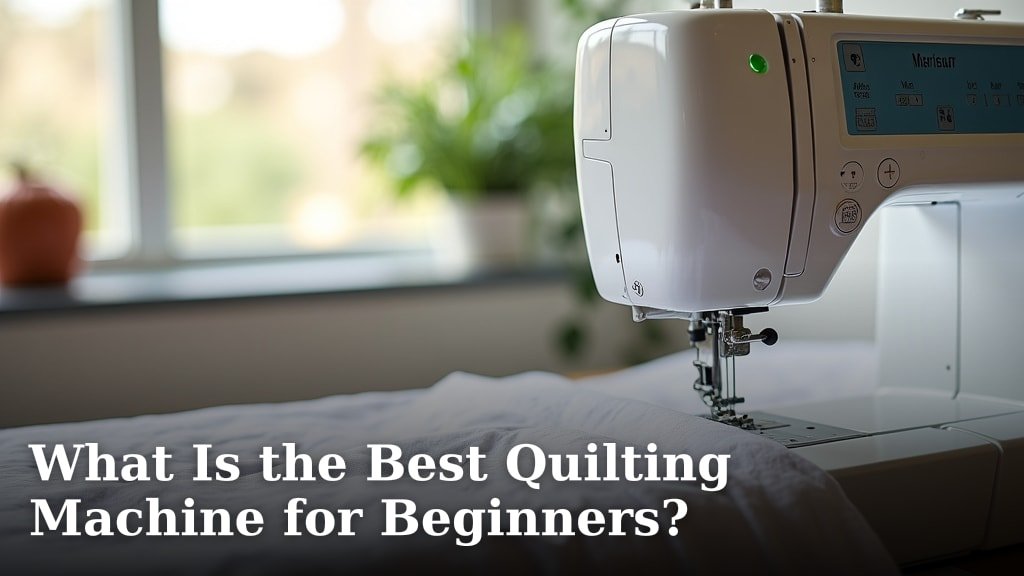
The best quilting machine for beginners is often a basic sewing machine that can handle quilting stitches. You don’t need a fancy, expensive model to start your quilting journey. Focus on machines that are user-friendly and reliable for your first projects.
We found that many new quilters succeed with machines that offer simple controls and a sturdy build. Look for features like a walking foot option and adjustable stitch length. These elements make learning to quilt much less intimidating and more enjoyable.
- Start with a basic sewing machine.
- Look for user-friendly features.
- Prioritize reliability over complexity.
- A walking foot is a great addition.
Ready to discover which machines fit the bill and why? Let’s dive into our top recommendations for beginner quilters.
Finding Your First Quilting Machine
Your first quilting machine doesn’t need to break the bank or overwhelm you with features. The best machine for a beginner is often a simple, reliable sewing machine with a few key functionalities. You want a machine that helps you learn and build confidence, not one that adds frustration.
We’ve found that new quilters thrive when their machine is easy to operate. Think about machines designed for general sewing but capable of handling the demands of quilting fabric layers. This approach allows you to learn the basics without committing to a specialized, often more expensive, quilting-only machine.
Understanding Machine Types for Beginners
When you’re starting, you’ll encounter a few different types of machines. It’s helpful to know what each offers. This helps you make an informed choice that suits your initial needs.
Basic Mechanical Sewing Machines
These are often the most straightforward and budget-friendly options. They use dials and levers to adjust stitches. We’ve seen many quilters successfully start with these machines. They are durable and forgiving.
- Pros: Affordable, easy to fix, strong motors often found on older models.
- Cons: Limited stitch options, fewer automatic features.
Entry-Level Computerized Sewing Machines
These machines offer more features and often have digital screens. They can be a great step up once you’re comfortable. Many beginners find their added conveniences helpful, such as needle up/down positioning.
- Pros: More stitch patterns, often include speed control, easier stitch selection.
- Cons: Can be more expensive, potentially more complex for a complete novice.
Dedicated Quilting Machines (Advanced)
While tempting, dedicated quilting machines are usually overkill for beginners. These often have larger harp spaces and advanced quilting features. They are better suited for those with experience and specific quilting goals.
- Pros: Large throat space, specialized quilting stitches, often come with many quilting feet.
- Cons: Very expensive, more complex features you might not use initially, large footprint.
Key Features to Look For
When you’re comparing machines, focus on a few essential features. These will make your quilting journey much smoother. Don’t get distracted by dozens of fancy stitches you might never use.
Stitch Quality and Options
A good machine should offer consistent, even stitches. This is critical for quilting. You’ll primarily use a straight stitch, but a zigzag stitch is also useful for appliqué or finishing edges. Some machines offer decorative stitches, which can be fun for borders or embellishments.
You’ll want the ability to adjust stitch length. Shorter stitches are stronger and hold quilt layers together better. Many quilters prefer a stitch length between 2.0mm and 2.5mm for piecing.
Throat Space
The “throat space” is the area between the needle and the machine’s body. A larger throat space makes it easier to maneuver bigger quilt tops. For a beginner, a standard 6-7 inch throat space is usually sufficient. You won’t be quilting king-sized projects on your first try.
If you plan to machine quilt your own larger projects, a wider throat space might be more appealing later. But for piecing small blocks and making lap quilts, a standard size works well.
Presser Feet Options
Presser feet are incredibly important for quilting. We’ve found that having the right feet makes a huge difference. Here are the must-haves:
- Walking Foot: This foot helps feed multiple layers of fabric evenly. It’s a game-changer for quilting, preventing fabric shifting. Many experts consider it essential for machine quilting (National Quilters Circle).
- 1/4-inch Seam Foot: Precision is key in quilting. This foot has a guide that helps you consistently sew a perfect 1/4-inch seam allowance. It dramatically improves the accuracy of your piecing.
- Free-Motion Quilting Foot (Darning Foot): This foot allows you to move your fabric freely under the needle for free-motion quilting. While not essential for initial piecing, it’s great if you want to try quilting your own projects later.
Adjustable Presser Foot Pressure
The presser foot holds your fabric down as you sew. Adjustable pressure allows you to change how tightly it grips the fabric. This is very useful for different fabric thicknesses. For quilting, you often work with multiple layers, so being able to loosen the pressure can help prevent puckering.
Conversely, for thin fabrics, you might want more pressure. Many basic machines have a fixed pressure, which is usually fine, but adjustable pressure is a nice bonus if you find it.
What About Speed Control and Needle Up/Down?
These are often found on computerized machines and can be very helpful.
Speed Control Slider
A speed control slider lets you set the maximum speed of your machine. This is a fantastic feature for beginners. You can set it slow and steady, allowing you to focus on guiding the fabric. As you gain confidence, you can increase the speed. We consistently hear that this feature reduces stress for new quilters.
Needle Up/Down Position
This feature allows you to program the needle to stop either in the up position or down in the fabric. Stopping with the needle down is incredibly useful for pivoting corners in quilting. It keeps your fabric securely in place without losing your stitch line. It’s a small convenience that makes a big difference.
Budgeting for Your First Quilting Machine
You don’t need to spend a fortune. We’ve found excellent beginner machines in a range of prices. Setting a budget helps narrow your choices.
Entry-Level Price Range
For a basic, reliable machine, you can expect to pay anywhere from $150 to $350. This range often includes mechanical machines or basic computerized models. Many quilters start here and are very happy. Remember, you’re investing in a tool for learning, not necessarily your forever machine.
Mid-Range Options
If your budget allows, $350 to $600 can get you a machine with more features, like a wider selection of stitches, perhaps better lighting, or more metal components for durability. These machines can often grow with you for a few years.
Considerations Beyond the Machine Itself
Choosing a machine is just one part of the equation. Think about these other factors too.
Customer Support and Warranty
What if something goes wrong? Good customer support and a reliable warranty are important. Research the brand’s reputation for service. Some brands offer online tutorials, which can be invaluable for beginners.
Local Dealer Support
Buying from a local sewing machine dealer can offer advantages. They often provide classes, servicing, and personalized advice. This can be a huge benefit for troubleshooting and learning to use your new machine. Even if you don’t buy from them, they might offer servicing for your chosen brand.
Your Beginner Quilting Machine Checklist
Here’s a quick list to guide your decision-making process. Keep this handy as you compare models.
- Reliable Straight Stitch: Is it smooth and consistent?
- Adjustable Stitch Length: Can you set it for piecing?
- Walking Foot Compatibility: Can you easily add one, or does it come with one?
- 1/4-inch Seam Foot Option: Essential for accurate piecing.
- User-Friendly Controls: Is it intuitive and easy to understand?
- Sturdy Build: Does it feel stable when you operate it?
Choosing your first quilting machine is an exciting step. Focus on simplicity, reliability, and the key features that will genuinely help you learn. With the right machine, your quilting journey will be enjoyable and rewarding.
Conclusion
Choosing the best quilting machine for beginners means focusing on simplicity and reliability. You don’t need a top-of-the-line model to start making beautiful quilts. Prioritize features like a steady straight stitch, adjustable stitch length, and the ability to add a walking foot. These elements will support your learning journey without overwhelming you.
We’ve found that a well-chosen basic machine helps you build skills and confidence. Don’t let endless options deter you. Pick a machine that fits your budget and meets these core requirements, and you’ll be piecing and quilting in no time. Happy quilting!
Frequently Asked Questions
Do I really need a walking foot for quilting?
Yes, a walking foot is highly recommended for quilting. It helps feed multiple layers of fabric evenly through your machine. This prevents puckering and shifting, which is common when stitching through batting and two fabric layers.
Can I quilt on a regular sewing machine?
Absolutely, most regular sewing machines can be used for quilting, especially for piecing quilt tops. Many even allow for free-motion quilting with the right foot. You just need to ensure it has a strong, consistent stitch and basic adjustments.
What is “throat space” and why does it matter?
Throat space is the distance between the needle and the right side of your machine. It matters because a larger space gives you more room to maneuver bulky quilt tops when you’re machine quilting. For piecing smaller blocks, a standard throat space is usually fine.
How much should a beginner quilter spend on a machine?
You can find excellent beginner quilting machines in the $150 to $350 range. This budget often covers basic mechanical or entry-level computerized models with the essential features you need. Remember, your first machine is for learning and growing.
Is a computerized machine better than a mechanical one for beginners?
Not necessarily “better,” but different. Computerized machines offer more automatic features like speed control and needle up/down, which can be convenient. However, mechanical machines are often more durable and straightforward, making them excellent, budget-friendly choices for starting out.
