Serger Sewing Machine vs Sewing Machine: Which Is Better? (November 2026)
Choose a conventional sewing machine for general sewing and a serger for fast, finished edges and stretch seams. A serger sewing machine vs sewing machine comparison comes down to the seams your projects need.
On this page (8 sections)
- Serger sewing machine vs sewing machine: what is the main difference?
- Which machine should you choose for your projects?
- How do the stitch results compare?
- Is a serger or sewing machine better for quilting?
- How much setup does each machine need?
- Can you start with one machine and add the other later?
- Which machine is right for you?
- Frequently asked questions
A conventional sewing machine is the better all-around choice, while a serger is made for fast overlocked seams and clean fabric edges. In a serger sewing machine vs sewing machine comparison, choose by the stitches and finishes your projects actually need.
A conventional machine can sew a seam, make buttonholes and handle many everyday repairs. A serger trims the edge as it stitches and wraps it with thread, which is useful for garments and fabrics that stretch or fray.
The Brother 1034D is a 3 or 4 thread serger with differential feed, while the Brother XM2701 conventional machine offers 27 built-in stitches. They serve different jobs, so one isn't a direct replacement for the other.


Serger sewing machine vs sewing machine: what is the main difference?
A conventional sewing machine forms a seam with a needle and bobbin; a serger makes an overlock stitch that encloses the fabric edge. That difference affects the finish, the kinds of seams you can make and how much setup each task needs.
A serger commonly trims excess fabric while stitching along the edge. Its loopers wrap thread around that edge, helping reduce fraying and creating a tidy finish.
A conventional sewing machine leaves the edge untrimmed unless you trim it yourself or use a suitable overcast stitch. It can sew farther from the edge and offers stitch types for tasks such as buttonholes and decorative seams.
The Brother 1034D supports 3 or 4 thread overlock stitching. The Brother XM2701 has 27 built-in stitches, including zigzag, stretch, decorative and blind hem stitches.
Which machine should you choose for your projects?
Choose a sewing machine for general sewing, repairs and buttonholes; choose a serger when you often finish garment seams or sew stretchy fabric. Your regular project list is a better guide than the number of features on a machine.
A conventional machine works well for woven seams, simple hems, home projects and quilting tasks. You can use it to sew a seam first, then press it open or finish its raw edges with another stitch or method.
A serger joins and finishes edges in one pass. That can save steps when making garments, but its overlock stitch isn't designed for every construction detail.
If you mostly sew clothing, consider how many projects need stretch seams or neat inside edges. If you sew bags, curtains, quilt tops or repairs more often, a conventional machine's range of stitch types may be more useful.
For a first serger, compare the best serger sewing machines for beginners and focus on threading help, stitch options and the projects you plan to sew. If most of your work calls for regular seams, the Best Sewing And Quilting Machine For Beginners guide covers a more flexible starting point.
How do the stitch results compare?
A serger gives an edge a wrapped finish, while a conventional machine offers more control over stitch placement and seam types. The best result depends on whether the edge or the seam construction is your priority.
A serger's overlock stitches are useful on knit garments because the seam can stretch with the fabric. The Brother 1034D also has differential feed, which helps improve results on stretch or thin fabrics.
A conventional machine can sew straight and zigzag stitches, among others. Those are useful for seams that need a particular location, visible topstitching or a buttonhole.
Some conventional machines have overcasting stitches, but they don't generally trim and wrap the edge in the same pass. If a clean garment interior matters, a serger can reduce the extra finishing work.
What does a serger do to the fabric edge?
A serger trims the edge and wraps it in thread as it sews. This can leave a neat finish on the inside of a garment and help control fraying.
The Brother 1034D includes standard, gathering and blind stitch feet. Its stitch options include 4 thread overlock, 3 thread overlock, narrow hem, rolled hem and ribbon lock stitches.
For another serger model, read the Juki MO-1000 serger review.
What can a conventional machine do that a serger can't?
A conventional machine handles many tasks that need a needle and bobbin, including buttonholes and varied seam placement. It is also useful for topstitching and construction steps where you need to sew away from the raw edge.
The Brother XM2701 includes an automatic-size buttonhole and an automatic needle threader. Its free arm gives access around cuffs, sleeves and pant legs.
The Brother CS5055 offers 60 built-in stitches and 7 one-step buttonhole styles. Its larger needle-to-arm workspace may help when handling larger sewing projects.
Is a serger or sewing machine better for quilting?
A conventional sewing machine is usually the more versatile choice for piecing and quilting; a serger can help with selected edge-finishing jobs. Quilt patterns and construction methods vary, so consider the stitch control each step requires.
For piecing, you often need to join fabric with a seam allowance that follows a pattern line. A conventional machine gives you a straight stitch and a familiar way to guide those pieces.
A serger may trim away fabric as it joins edges, which can affect seam allowance and block size. Use it only when the project method accounts for that trimming and the overlock finish suits the quilt.
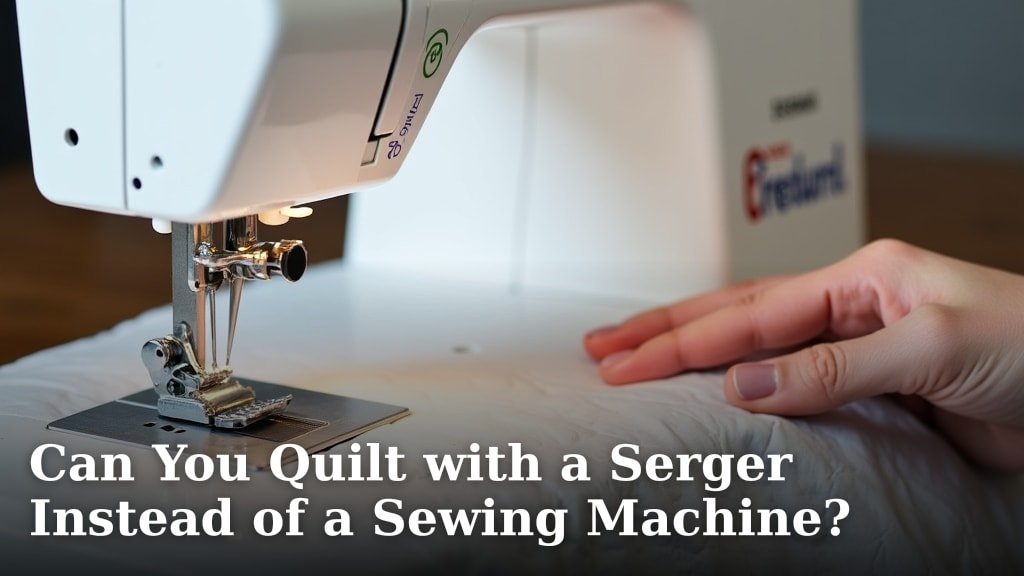
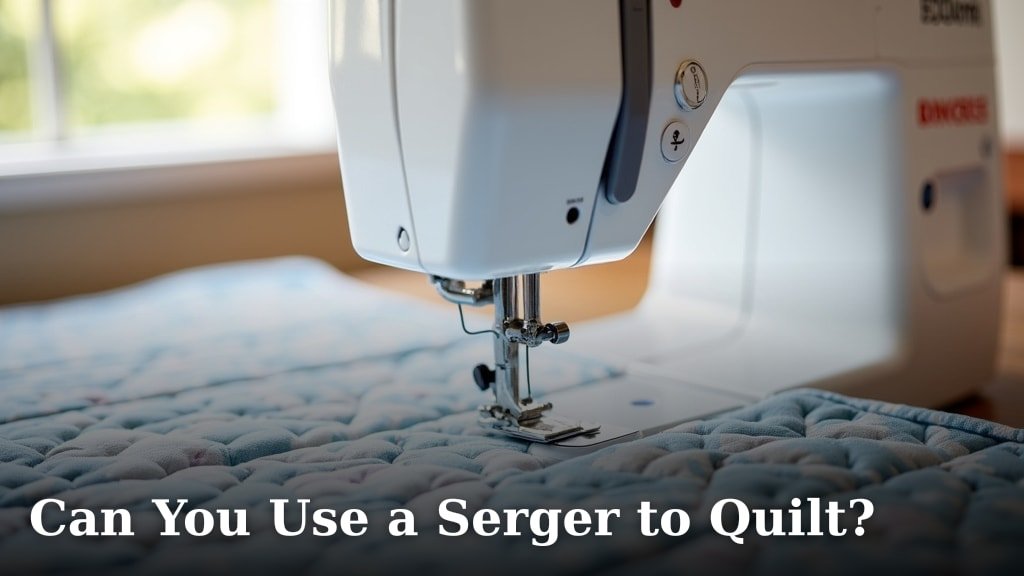
For more detail, read Can You Quilt with a Serger Instead of a Sewing Machine? and Can You Use a Serger to Quilt?. If you're choosing a machine mainly for quilt work, compare the Best Sewing And Quilting Machine For Home Use guide.
How much setup does each machine need?
A conventional sewing machine usually takes less thread setup, while a serger needs multiple threads and loopers correctly threaded. Consider how often you'll switch colors and whether you'll sew enough to make setup worthwhile.
The Brother XM2701 has a drop-in top bobbin and automatic needle threader. The Brother 1034D uses a color-coded upper thread guide and lower looper threading system, with an included instruction manual.
Sergers can take more time to thread, especially if you change thread colors often. The serger sewing machines with air threading guide explains one feature that can reduce the work of threading loopers on compatible machines.
On either machine, match thread and needle choices to the fabric and follow the manual. Keep spare needles and compatible thread available for the projects you sew most.
Can you start with one machine and add the other later?
Yes, start with the machine that matches your most common projects and add a serger or conventional machine when you need its distinct stitches. You don't need both to begin sewing.
If you choose a conventional machine first, you can sew seams and finish edges with an appropriate stitch or a separate finishing method. Add a serger when you regularly make garments or other projects where overlocked edges save time.
If you choose a serger first, plan for its limits. You'll still need another method for buttonholes, many hems and construction steps that call for a conventional stitch.
The Brother XM2701 is one option for broad everyday sewing, while the Brother 1034D is suited to overlock work. Look at the beginner serger guide if edge finishing is the main gap in your setup.
Which machine is right for you?
Pick a conventional sewing machine if you need one flexible machine for seams, repairs and buttonholes; pick a serger if clean overlocked edges and stretch seams are regular needs. Choose both when your projects regularly call for both kinds of work.
The Brother XM2701 suits everyday sewing with 27 built-in stitches and a free arm. The Brother 1034D is the more focused choice for 3 or 4 thread overlock finishing.
For a mixed sewing room, use the conventional machine for construction and the serger for suitable edge seams. Keep the project pattern's seam allowance and finishing instructions in mind before serging quilt pieces or other work where trimming changes the shape.
Frequently asked questions
Is a serger the same as an overlock machine?
Yes, “serger” and “overlock machine” commonly refer to the same type of machine. It uses loopers and thread to wrap an edge, and many models trim the fabric as they stitch.
A conventional sewing machine uses a needle and bobbin for a broader range of seams and sewing tasks.
Can you sew a straight seam with a serger?
A serger can join fabric edges, but its overlock seam isn't the same as a standard straight stitch seam. It trims and wraps the edge, so it may not suit seam allowances or construction details that need fabric left intact.
Check the pattern and machine manual before substituting stitches.
Does a serger work on woven fabric?
Yes, a serger can sew woven fabric and finish its edges. The correct thread setup and stitch depend on the fabric weight and project.
The Brother 1034D is described for multiple layers of denim and other heavy materials, but follow its manual for safe setup and suitable combinations.
Can you use a serger for hemming?
A serger can make some hems, including rolled hems on compatible setups. The Brother 1034D includes a rolled hem stitch option, and it comes with a blind stitch foot.
Check the manual and the garment's hem instructions to choose the finish and settings that fit the fabric.
What should you buy first, a serger or a sewing machine?
Buy a conventional sewing machine first if you need to handle varied sewing tasks; choose a serger first if edge finishing is the work you do most. A conventional machine offers stitches for buttonholes, repairs and many seams.
A serger specializes in overlocked edges and related finishes.
Frequently asked questions
Can a serger replace a sewing machine?
A serger can handle overlocked seams and edge finishing, but it doesn't replace a conventional sewing machine for every task. A conventional machine makes straight seams, buttonholes and many hems, while a serger trims and wraps fabric edges as it sews.
Many sewing rooms use both.
Which is easier for a beginner, a serger or sewing machine?
A conventional sewing machine is usually the simpler first choice because it handles a wider range of basic tasks with one upper thread and a bobbin. A serger uses multiple threads and loopers, so threading and tension take practice.
Choose based on the work you want to do.
Can you quilt with a serger?
You can use a serger for some quilt related jobs, such as joining pieces or finishing raw edges, but it isn't a full substitute for a sewing machine when piecing or quilting. The right method depends on the quilt design and the stitch control it needs.
Do you need both a serger and a sewing machine?
You may want both if you sew garments or projects that need clean overlocked edges as well as ordinary seams, hems, buttonholes or quilting stitches. If you mostly mend clothes or sew simple home projects, a conventional machine may cover your needs on its own.