Thread and Stitching Supplies: A Complete Buying Guide
Choose quilting thread by what the stitch needs to do: use fine thread for low-bulk piecing, a more visible thread for decorative quilting, and a compatible needle and bobbin for your machine. Match fiber and weight to the fabric, design and care needs.
On this page (9 sections)
- How do you choose quilting thread?
- Which thread weight works for piecing and quilting?
- Which thread and stitching supplies fit different jobs?
- How do you match the needle to quilting thread?
- How do you choose thread for machine and hand quilting?
- What else belongs in a quilting stitching kit?
- How should you store quilting thread?
- How do you test a quilting thread before sewing the quilt?
- What should you choose for your next quilt?
Quilting thread should match the job: choose a fine, low-bulk thread for piecing, a weight that suits the quilting design, and a needle that handles both thread and fabric layers. Cotton and polyester are common choices, but neither is automatically right for every quilt.
For piecing, quilting, applique and hand stitching, thread weight and fiber affect how a seam looks and behaves. The needle, bobbin, machine tension and fabric sandwich matter too, so test your setup on scraps before sewing the quilt.
This guide covers how to choose thread, needles and supporting supplies, with four options for different stitching needs. If you're also choosing a general-purpose spool for garments and repairs, see our guide to the best sewing machine thread.
How do you choose quilting thread?
Choose quilting thread by stitch purpose, visibility and fiber. A fine thread can keep pieced seams neat, while a more visible thread can make quilting lines part of the design.
Start with the result you want. For patchwork, many quilters want a flat seam that does not compete with the fabric; for machine quilting, you might want the stitches to blend in or stand out as texture.
| Thread decision | Start here | Consider another option when |
|---|---|---|
| Fiber | Cotton for a cotton-focused project, or polyester for general sewing and repairs | Your fabric care or project materials point to a different fiber |
| Weight | A finer thread for subtle seams and detailed stitching | You want pronounced quilting lines or your design needs a heavier look |
| Color | A close match for quiet stitching | Contrast is part of the quilting design |
| Needle | A size suited to thread and fabric layers | You see skipped stitches, fraying or oversized holes |
| Bobbin | A compatible thread and balanced tension | The top and bobbin threads behave differently |
Treat the chart as a starting point, not a fixed rule. Thread labels and needle sizes use different numbering systems, and the same thread can behave differently in a dense sandwich than in a single fabric layer.
How to choose quilting thread by fiber
Cotton thread pairs naturally with many cotton quilt fabrics and can give a soft, traditional look. Polyester is a common all-purpose option, including for sewing and repairs, and can suit projects where you want that fiber.
The thread's construction also matters. A product described as 50 wt cotton may suit fine piecing and detailed quilting, while a 40/2 spun polyester thread is presented for general-purpose sewing on materials including cotton, linen, light denim and synthetic fabrics.
For a closer look at weight and visible stitch effects, read how to choose the right thread weight for quilting. For patchwork seam choices, our guide to what weight thread to use for piecing a quilt covers that decision in more detail.
How thread color changes a quilt
A thread close to the fabric color can help stitches recede. A contrasting color makes the quilting pattern easier to see and can bring attention to the stitch path.
For low-visibility options, compare monofilament threads for quilting.
For a multicolor quilt, test thread on the lightest and darkest fabrics in the project. A color that blends into one patch may stand out on another, especially where quilting crosses multiple fabric pieces.
Which thread weight works for piecing and quilting?
A finer thread is a useful starting point for flat piecing seams, while a more visible weight can suit quilting lines that are meant to show. Weight alone does not predict the finished look because fiber, ply, color and stitch density all affect it.
The numbers can feel backwards: a higher weight number usually indicates a finer thread. Check the thread label and maker's use guidance, then sew a sample with the fabric and batting you plan to quilt.
A 50-weight cotton is often used for piecing and fine quilting. See our 50 weight quilting thread guide for options and use details.
What size needle should you use for 40 weight thread?
Try a 90/14 needle as a starting point for many 40-weight threads, then test how it handles your fabric and batting. The right size depends on thread construction, fabric density and the number of layers.
A needle that's too small can cause thread fraying or skipped stitches; one that's too large can leave noticeable holes. Change one part of the setup at a time so you can tell whether the needle, thread or tension caused the problem.
What size needle should you use for 50 weight thread?
An 80/12 needle is a common starting point for 50-weight thread. Aurifil recommends a Sharp, Microtex, quilting or denim needle in 80/12 for detailed machine quilting with its 50-weight thread.
For other brands, check their guidance and test your fabric sandwich. Our guide to choosing a quilting needle size explains how to narrow down the needle based on the layers and stitch.
Which thread and stitching supplies fit different jobs?
Choose supplies that address a specific task, such as piecing with cotton, general-purpose stitching or detailed machine quilting. The four options below have distinct uses based on their stated materials and thread weights.
BlesSew Sewing Machine Thread
BlesSew is a 40/2 spun polyester all-purpose thread set with 24 spools and 22 colors plus black and white. Its stated uses include quilting, repairs and everyday machine sewing; the maker also describes it for cotton, linen, light denim and synthetic fabrics.
Coats & Clark All Purpose Sewing Thread
Coats & Clark's all-purpose thread is polyester covered polyester core, with a medium 35 wt and 400 yards per spool in this six-pack. Its description says it can be used for a variety of sewing projects.
Simthread 20 Colors All Purposes Mercerized Cotton
Simthread's set has 20 colors of 50 wt, 3-ply mercerized cotton thread, with 550 yards per cone. The stated uses include piecing, quilting and applique, as well as machine and hand embroidery.
Aurifil 3-PACK
Aurifil's three-spool set contains Light Beige, 50 wt Mako cotton thread, with 1,422 yards per spool. Its stated uses include hand and machine piecing, applique and detailed machine quilting.
How do you match the needle to quilting thread?
Use a needle that lets the thread pass cleanly while making a hole suited to the fabric layers. Start with the thread maker's guidance, then test the needle on a sample sandwich before quilting.
A quilting needle has a point designed to pass through layered fabric. Needle size still matters: a small eye can rub or fray a thicker thread, while a large needle can leave bigger holes in fine fabric.
What to check in a test sandwich
Make a sample with the same top fabric, batting and backing you plan to use. Stitch a few straight lines, curves and backtracks if your design includes them.
Look at both sides. Check for skipped stitches, loops, tension imbalance, thread damage and needle holes that remain open after the fabric is handled.
If the machine struggles, rethread with the presser foot raised and confirm the needle is fully seated in the correct direction. Change one variable at a time, such as needle size or tension, so the result tells you something useful.
For a specific 75/11 needle discussion, see when to use Schmetz 75/11 quilting needles. Match the needle to the thread and layers rather than relying on the size alone.
How do you choose thread for machine and hand quilting?
Machine quilting needs thread that feeds reliably through the machine, while hand quilting also depends on how the thread feels as you pull it through fabric. For options aimed at faster machines, see high-speed polyester sewing thread.
Choose by the stitching method and the look you want.
For machine work, use the same thread in the bobbin when the thread maker recommends it, or choose a compatible bobbin thread and balance the tension. For hand stitching, a thread made for hand quilting can be easier to handle than a spool chosen mainly for machine feeding.
Browse hand quilting thread options if you plan to quilt by hand. For machine work on a frame, the thread size and machine path may affect the result; see our guide to longarm quilting cotton thread size.
What else belongs in a quilting stitching kit?
A useful stitching kit includes the thread, needles and small tools needed for the way you work. Choose each item for a clear task, and keep supplies that affect stitch quality within easy reach.
Bobbins for machine quilting
Bobbins must match the machine model, since machines use different bobbin styles and sizes. Check your manual before buying a pack, and wind the same thread you plan to use for the project.
If you need the common Class 15 style, compare our guide to the best Class 15 bobbins. A bobbin that does not fit the machine can cause poor feeding or tension issues.
Pins for holding quilt layers
Pins can hold fabric pieces in place during piecing, while longer pins or curved safety pins can help secure quilt layers for basting. Choose a pin style that fits the task and does not snag your fabric.
Our guide to different types of sewing pins explains the common shapes and where they can help. Keep pins away from the needle path and remove them as you sew.
Elastic for sewing projects
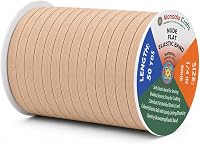
Elastic does not usually belong in a quilt sandwich, but it can be useful in sewing room projects such as fabric organizers, storage straps or covers. Compare bulk elastic for sewing for those projects.
Pick width and stretch for the item you're making, and test a short section before cutting the full length.
See our guide to colored elastic for sewing if you need elastic for a coordinating project. For projects that call for stronger stretch, see heavy-duty sewing elastic.
How should you store quilting thread?
Store thread away from dust, direct sunlight and damp conditions, and keep colors organized so you can find the right spool without unpicking a project box. Close containers when the thread is not in use.
Keep cotton and polyester spools in separate sections if you switch between them often. Label partial spools with the project or color match, and keep a small sample of the thread with the quilt notes.
Avoid leaving thread exposed near a sunny window or a source of lint. Before using an older spool, check for roughness, tangles or damage that could interrupt stitching.
How do you test a quilting thread before sewing the quilt?
Sew a test sandwich before quilting the full project. Use the planned fabric, batting, backing, needle, thread and stitch settings so the sample reflects the quilt.
Check that the top and bobbin stitches meet cleanly within the layers. If loops appear on one side, inspect threading and tension before changing several settings at once.
Also inspect the fabric after stitching. If the needle leaves large holes or the thread looks fuzzy, try a different needle size or thread combination on a new sample.
What should you choose for your next quilt?
Choose 50 wt cotton for fine piecing and detailed stitching, or an all-purpose thread when you want one set for quilting and everyday sewing. Pair it with a needle that suits the thread and fabric, then test the full setup on scraps.
Pick Simthread or Aurifil when 50 wt cotton suits your project, BlesSew for a multicolor 40/2 polyester set, and Coats & Clark for six white 35 wt polyester spools. Use your quilting design and fabric as the deciding factors, then continue with the guide to choosing quilting thread weight.
Frequently asked questions
How do I choose thread for quilting?
Choose thread based on the stitch and finish you want. Fine thread can keep pieced seams low in bulk, while a more visible weight can make quilting lines stand out.
Then match the thread fiber to the fabric and care needs, and test the thread, needle and tension together on a fabric sandwich.
What size quilting needle should I use?
Start with a quilting needle size that suits the thread and fabric layers, then test on a scrap sandwich. A 75/11 needle is a common starting point for finer thread, while thicker thread or dense layers may call for a larger needle.
Check the thread maker's guidance as well.
What size needle should I use for 40 weight thread?
A 90/14 needle is a reasonable starting point for many 40-weight threads, but thread construction and fabric layers affect the fit. Test a scrap sandwich and check for skipped stitches, thread fraying and large needle holes before quilting the project.
What size needle should I use for 50 weight thread?
An 80/12 needle is a common starting point for 50-weight thread. Aurifil recommends a Sharp, Microtex, quilting or denim 80/12 needle for detailed machine quilting with its 50-weight thread; test your fabric and machine setup before stitching the quilt.
Can I use the same thread for piecing and quilting?
You can use the same thread for both, but the best choice depends on the seam finish and quilting design. A fine thread can keep piecing seams flatter, while quilting thread may be chosen for visible texture or a particular fiber.
Test both uses before committing to a full quilt.