9 Best Jaybird Quilt Patterns (November 2026)
The best Jaybird quilt patterns include the Laundry Basket Quilts Alaska Quilt Pattern for structured star piecing, the Pen & Paper Patterns Sparrows Quilt Pattern for beginner-friendly bird quilts, and the Atkinson Designs Pattern ATK-129 ~ Lucky Stars for adjustable star quilts.
On this page (5 sections)
The best Jaybird quilt pattern alternative for most quilters is Alaska, with a structured star design and a 71.5 in square finished quilt top. It is the clearest pick when you want one defined project with strong geometry and room to plan fabric with care.
Choose Sparrows for a beginner-friendly bird theme, Iris for multiple sizes, or Dear Jen for advanced mixed techniques. Each option suits a different kind of sewing rhythm, from steady block work to longer projects with varied methods.
Jaybird quilt patterns appeal to quilters who enjoy crisp geometric shapes, planned fabric placement and accurate cutting. That same appeal shows up in many of these alternatives, though the cutting method and scale can feel quite different in daily use.
Since Jaybird designs can call for specialty rulers or angled pieces, compare the required tools with your current setup before choosing a project. A pattern that fits the tools you already own is often easier to start and easier to finish with confidence.
Think about where the finished quilt will live before you commit to a design. A large square top suits a bed or wall display, while a smaller throw or baby size may be easier to quilt, bind and store at home.
Skill level matters as much as style when you compare these patterns. Confident beginners often do better with clear diagrams and block-based steps, while intermediate quilters may enjoy templates, paper piecing or layered techniques that build new skills.
Fabric planning also shapes the right choice for your project. Fat-quarter-friendly designs reward careful sorting, strip-based designs reward order, and scrappy designs reward value contrast so each shape remains easy to read.
For more simple starting points, compare these best beginner quilt patterns. If you prefer traditional block layouts, our guide to the best log cabin quilt pattern may be a better fit.
Use the sections below to match the design to your tools, your fabric and the size you truly want to make. That practical match usually matters more than following the same style as a favorite pattern.
Our picks at a glance
-
1
 Best for structured star piecing
Laundry Basket Quilts Alaska Quilt Pattern
9.7/10 our score
See it on Amazon -
2
 Best for beginner-friendly bird quilts
Pen & Paper Patterns Sparrows Quilt Pattern
9.6/10 our score
See it on Amazon -
3
 Best for adjustable star quilts
Atkinson Designs Pattern ATK-129 ~ Lucky Stars
9.5/10 our score
See it on Amazon
- 4
 Check it
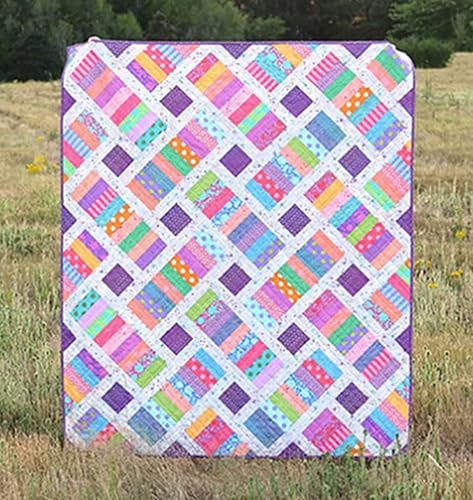
Kitchen Table Quilting Iris Quilt Pattern
Best for multiple quilt sizes - 5
 Check it
Dear Jen Quilt Pattern Booklet by Jen
Best for advanced mixed techniques - 6
 Check it
Maple Island Quilts BQ5 Quilt Pattern
Best for bold off-center blocks - 7
 Check it
Angela Pingel Designs- Book Nerd Quilt Pattern
Best for book-themed fat quarters - 8
 Check it
Atkinson's Atkinson Popsicle Stick Jelly Roll Quilt
Best for strip-based piecing - 9
 Check it
Juliet van der Heijden Animal Quilts
Best for paper-pieced animal blocks
Which Jaybird quilt pattern is best for your project?
Alaska is the strongest choice for a large, structured star quilt, while Sparrows and Iris suit quilters who want approachable layouts or multiple size options. The best match depends on your skill level, cutting method and intended finished size.
Our score weighs stated specs, features and buyer feedback against what you need from the best Jaybird quilt patterns. These patterns are presented in score order, but a lower-scored design can still be the right choice for your project.
| Product | Best for | Finished size | Construction | Skill level | Our score |
|---|---|---|---|---|---|
| Laundry Basket Quilts Alaska Quilt Pattern | structured star piecing | 71.5 x 71.5 in | Template-based traditional piecing | Confident beginner to intermediate | 9.7 |
| Pen & Paper Patterns Sparrows Quilt Pattern | beginner-friendly bird quilts | 65.5 x 71 in | Confident beginner and up | 9.6 | |
| Atkinson Designs Pattern ATK-129 ~ Lucky Stars | adjustable star quilts | 9.5 | |||
| Kitchen Table Quilting Iris Quilt Pattern | multiple quilt sizes | 9.2 | |||
| Dear Jen Quilt Pattern Booklet by Jen | advanced mixed techniques | Intermediate to advanced | 9.1 | ||
| Maple Island Quilts BQ5 Quilt Pattern | bold off-center blocks | 8.9 | |||
| Angela Pingel Designs- Book Nerd Quilt Pattern | book-themed fat quarters | 54 x 66 in | 8.8 | ||
| Atkinson's Atkinson Popsicle Stick Jelly Roll Quilt | strip-based piecing | 8.4 | |||
| Juliet van der Heijden Animal Quilts | paper-pieced animal blocks | 7.9 |
Laundry Basket Quilts Alaska Quilt Pattern: Best for structured star piecing
- 71.5 x 71.5 in quilt top
- Traditional star layout
- Template-based construction
- Intermediate-friendly
A structured star quilt pattern for quilters who want a large square project with clear geometric blocks and room for many fabric combinations.
Pros
- Large square finished quilt top
- Strong geometric design
- Block-of-the-Month friendly
Cons
- Template piecing needs careful cutting
- Less suited to a quick small quilt
Alaska is the best overall choice here for a quilter who wants a traditional star layout with a clear finished size. For another traditional style, browse Amish quilt patterns.
The 71.5 x 71.5 in quilt top gives you a substantial square project for a bed quilt, wall display or handmade gift.
Template-based construction supports accurate block alignment and crisp star points. That precision makes Alaska a useful step for a confident beginner who is ready to move beyond basic blocks, but it also means you should label templates and cut carefully.
The pattern is block-of-the-month friendly, so you can divide the work into smaller sewing sessions. For colorful designs, browse rainbow quilt patterns.
Its traditional star design also works with many fabric collections, from calm two-color plans to more varied modern combinations.
For more contemporary layouts, browse modern quilt patterns.
Choose Alaska when the star shape matters most and you want one stated quilt-top size. If you need a smaller project or want a pattern built around precut strips, another pick may be easier to plan.
Pen & Paper Patterns Sparrows Quilt Pattern: Best for beginner-friendly bird quilts
- 65.5 x 71 in finished size
- Modern songbird design
- Scrappy and fat-quarter friendly
- Printed diagrams and cutting guides
A printed, block-based pattern for a nature-themed throw that lets you use coordinated fabrics, fat quarters or a scrappy stash.
Pros
- Step-by-step machine piecing
- Scrappy-friendly layout
- Useful cutting guides
Cons
- Smaller than Alaska
- Bird blocks need careful color planning
Sparrows is the best beginner-friendly choice for a modern nature theme. For another bird design, see chicken quilt patterns.
The finished quilt measures 65.5 x 71 in, giving you a generous throw size for a couch, bedspread, wall hanging or gift.
The printed pattern includes diagrams, cutting guides and layout charts. Its block-based machine piecing instructions suit confident beginners who want a guided project without starting with a highly complex technique.
Sparrows is scrappy and fat-quarter friendly, so you can use a coordinated bundle or build a bird-inspired palette from your stash. Plan the background and bird colors together so the sparrows remain easy to see after the blocks are joined.
Choose it when a songbird design and approachable machine piecing matter more than a square quilt shape. It is also a good option when you want to use small groups of related fabrics.
Atkinson Designs Pattern ATK-129 ~ Lucky Stars: Best for adjustable star quilts
- 15 in blocks
- Fat-quarter friendly
- Size can be varied
- Requires one print fat quarter and one 3.5 x 40 in background strip per block
A flexible star pattern for quilters who want to choose the finished size instead of following one fixed quilt dimension.
Pros
- Flexible finished size
- Simple fabric planning per block
- Strong star theme
Cons
- No single finished size to follow
- Background fabric planning grows with each block
Lucky Stars is the most flexible star option because the quilt can be made to the size you choose. Each 15 in block uses one print fat quarter and one 3.5 x 40 in background strip.
That block-by-block fabric plan makes it easier to start with a wall hanging, lap quilt or larger project. You can decide how many blocks to make after testing the color balance of one block.
This approach suits quilters who like to see a unit come together before committing to a full layout. Sewing one block first can show whether the star reads clearly against the background and whether the print scale feels right.
The pattern is a practical choice for quilters who like repeated units and a clear supply rule. That rule helps with shopping and with using fat quarters that might otherwise sit unused in a drawer.
Keep the background fabric consistent if you want the stars to read as one connected design. Changing backgrounds can still work, but it shifts the look from a unified star field to a more varied patchwork feel.
Careful labeling helps as blocks multiply during a longer project. Grouping each print with its background strip keeps the repeat ready to sew and reduces sorting errors later.
Choose Lucky Stars when you want star blocks without committing to one fixed finished dimension. It is less suitable if you prefer a complete quilt size and cutting list from the start.
Kitchen Table Quilting Iris Quilt Pattern: Best for multiple quilt sizes
- Baby, lap and twin sizes
- Fat-quarter friendly
- Works with jelly rolls or scraps
- Geometric design
A geometric pattern that gives you three stated size options and several ways to use fabric already in your sewing room.
Pros
- Three size choices
- Works with fat quarters, jelly rolls and scraps
- Clear step-by-step guide
Cons
- Not a star-focused design
- Twin size needs a larger fabric plan
Iris is the best pick when you want several finished-size options. The pattern includes a 39 x 39 in baby quilt, a 59 x 69 in lap quilt and a 79 x 99 in twin quilt.
Its geometric design works with fat quarters, jelly rolls or scraps, which gives you more freedom when planning the fabric. If you prefer projects planned around three yards of fabric, see three-yard quilt patterns.
A smaller baby or lap version can also be a manageable first project before moving to the twin size.
The step-by-step guide is aimed at beginners, while the repeated geometric layout still gives experienced quilters room to play with color and contrast. Sort fabric by value before cutting so the main shapes stay clear.
Choose Iris when size flexibility matters more than a star or bird theme. It is one of the better choices for using fabric already on hand.
Dear Jen Quilt Pattern Booklet by Jen: Best for advanced mixed techniques
- 90 in square stated size
- Hand and machine piecing
- Applique
- Four layouts
- Block-of-the-Month friendly
A booklet for quilters who want a puzzle of blocks with four layouts and a mix of hand work, machine sewing and applique.
Pros
- Four layout choices
- Large stated size
- Flexible block selection
Cons
- More techniques to manage
- Pattern booklet only
Dear Jen is the strongest choice for an advanced project that mixes hand piecing, machine piecing and applique. The stated finished quilt size is 90 in square, while the booklet also allows different block selections and four layouts.
This design suits quilters who enjoy a puzzle-like process and want to work through varied blocks over time. The long format can feel rewarding when you want a project that unfolds in stages rather than in one focused push.
Its block-of-the-month-friendly structure gives you a way to spread the project across several stages. That pace can make a large quilt feel more manageable and gives you time to choose fabrics as the layout grows.
The main trade-off is technique range. You will need to switch between hand work, machine sewing and applique, so it is less direct than a single-method geometric pattern.
That variety is part of the appeal for experienced sewers who enjoy changing tasks. It can also slow progress if you prefer steady machine piecing from start to finish without pausing for applique work.
Planning matters more here because layout and block choices affect the final balance. Sorting fabrics by color and value before cutting can help the many shapes sit together with clarity.
Choose Dear Jen when variety and layout choice matter more than a quick finish. Remember that this is a pattern booklet only, so plan your fabric and other supplies separately.
Maple Island Quilts BQ5 Quilt Pattern: Best for bold off-center blocks
- Fat-quarter friendly
- Off-center focus
- Pinwheel or accent splash
- Wall, crib and queen options
A modern block pattern with an off-center focal area and size choices for wall, crib or queen quilts.
Pros
- Beginner-friendly instructions
- Multiple size options
- Pinwheels avoid matching sharp points
Cons
- Focus fabric placement affects the final look
- Package size is not the finished quilt size
BQ5 is the best choice for a bold, modern quilt with an off-center focal area. Its pinwheel or accent-splash design gives the quilt a strong visual direction without relying on sharp-point matching.
The pattern is fat-quarter friendly and includes wall, crib and queen options. For a modern design sized for a king bed, compare modern king-size quilt patterns.
The stated package size is 18 x 13.5 in, which is the pattern package dimension, not the finished quilt size.
Flat-top diagonal pinwheels can make the construction feel more approachable for a quilter who wants geometric movement without matching sharp points. A single center fabric creates a focused look, while several fabrics make the accent area more varied.
Choose BQ5 when you want a modern block layout and several project sizes. It is less suited to a quilter who wants a classic centered star.
Angela Pingel Designs- Book Nerd Quilt Pattern: Best for book-themed fat quarters
- 54 x 66 in finished size
- Fat-quarter and fat-quarter bundle friendly
- Paper piecing and rotary cutting
- Can be enlarged
A book-themed throw pattern for quilters who want to showcase 20 favorite fabrics with paper piecing and rotary-cut sections.
Pros
- Clear theme
- Uses fat-quarter bundles
- Can be enlarged
Cons
- Smaller finished throw
- Paper piecing adds a learning step
Book Nerd is the best themed option for readers and for quilters with a fat-quarter bundle ready to use. The finished quilt measures 54 x 66 in, making it a comfortable throw size.
The design uses basic paper piecing and rotary cutting, and it can showcase 20 favorite fabrics. Paper piecing helps create the book shapes, while rotary-cut sections keep the rest of the construction familiar.
That mix can suit quilters who want a clear theme without giving up familiar cutting methods. It also helps when you have a bundle collected with a reader in mind and want the fabrics to stay visible in the finished quilt.
You can keep the stated size or enlarge the block-based quilt for a bed. Enlarging works best when you plan the additional fabric and layout space before you begin cutting the first blocks.
Embroidery, applique or additional paper piecing can add personal details, but those choices also increase the amount of work. A small detail on one book may be enough, while details on every book can turn a throw into a much longer project.
Choose Book Nerd when the subject matter is central to your project. If you want a large bed quilt from the start, Alaska, Iris or Popsicle Stick offers a clearer route.
Atkinson's Atkinson Popsicle Stick Jelly Roll Quilt: Best for strip-based piecing
- Uses 2.5 in strips or fat quarters
- Multiple size options
- Suitable for all skill levels
- Popsicle Stick design
A strip-based pattern for quilters who prefer jelly rolls or want one design that can be made in several bed and throw sizes.
Pros
- Broad size range
- Uses precut strips
- Suitable for all skill levels
Cons
- Not a Jaybird-style ruler project
- Strip layout needs consistent organization
Popsicle Stick is the best strip-based choice for quilters who prefer precut fabric. It uses 2.5 in strips or fat quarters and offers nap, lap, twin/full, queen and king sizes.
The broad size range makes this pattern useful for gifts and bed quilts. You can start smaller for a lap quilt and later use the same design logic for a larger bed size when you want a matching set.
A jelly roll can speed up fabric sorting, while fat quarters give you more control over individual color placement. Strips work well when you want the pattern to carry the design, and fat quarters work well when you want to choose each color with intent.
Because the design is built around strips, organize the pieces before sewing and keep the strip orientation consistent. That small setup step helps the repeated layout stay orderly and makes assembly easier to follow.
Quilters who enjoy precut fabric often like this kind of project because cutting is simpler from the start. The trade-off is that strip order matters, so a tray or labeled stack can save time during assembly.
Choose Popsicle Stick when you want a pattern that works across several sizes and uses familiar fabric formats. It is not the best fit if you specifically want specialty-ruler geometry.
Juliet van der Heijden Animal Quilts: Best for paper-pieced animal blocks
- 12 animal quilt patterns
- 128 pages
- Foundation paper piecing
- Resize and border instructions
- PDF pattern pieces
A book of animal and bird blocks for quilters who want detailed foundation paper piecing with options to resize blocks and add borders.
Pros
- 12 designs in one book
- Resize instructions
- PDF pattern pieces
Cons
- More technique-focused than a single quilt pattern
- Foundation paper piecing takes careful setup
Animal Quilts is the best book-format choice for quilters who want several foundation paper-pieced designs in one project source. It includes 12 animal patterns across 128 pages, including animals and birds.
The book explains foundation paper piecing and includes instructions for resizing blocks and adding borders. Pattern pieces are available through a PDF download, which gives you more flexibility when changing the final layout.
This is a technique-rich option rather than one single quilt pattern. It suits quilters who want to make different animal blocks over time, but it requires careful paper piecing and fabric placement.
Fabric choice can change the effect of each animal in a strong way. A bold print may add texture, while a calm solid may make the shape easier to read after the block is joined.
Resizing and borders give you room to turn a block into part of a larger quilt. Those options work best when you decide the final scale early, since paper piecing pieces need to be prepared at the chosen size.
Choose Animal Quilts when variety matters more than a fixed quilt plan. For one defined project with a stated finished size, Sparrows, Alaska or Book Nerd is easier to compare.
How do Jaybird quilt patterns compare with these designs?
Jaybird quilt patterns are a good match when you want modern geometric construction and are comfortable checking specialty cutting tools. The patterns in this roundup include similar needs for accuracy, but they also cover stars, birds, books, strips and mixed techniques.
That wider range is useful because geometric appeal does not have to mean one cutting method. Some designs rely on templates, some rely on paper piecing, and some rely on simple rotary-cut strips that still create a bold shape.
A specialty ruler can make repeated shapes easier to cut when the pattern is designed around it. It can also help keep angles consistent across many units, which matters more as the quilt grows in size.
If a ruler is not named in the pattern information, don't assume a standard ruler will produce the same pieces. Checking that detail early can prevent wasted fabric and frustrating mismatches during assembly.
Traditional star patterns like Alaska and Lucky Stars differ from modern geometric quilts in feel, but they share a need for clear contrast. Planning the background first helps the main shape stand out in both styles.
Bird and book themes add another layer because fabric assignment affects whether the subject remains visible. A background that is too busy can soften the design, while a calm value range can keep the theme clear.
For diamond-focused projects, see How to Quilt Diamond Patterns on Your Machine. For star layouts and machine-friendly ideas, compare How to Quilt Stars: Easy Machine Patterns.
The best comparison is practical rather than stylistic alone. Match the cutting tools, fabric format and finished size to your space, your sewing habits and the way you like to work.
How should you choose fabric for these quilt patterns?
Choose fabric by the pattern's contrast needs, available cutting format and finished size. A fat-quarter-friendly pattern gives you more control over prints, while a strip-based pattern works well when you already have 2.5 in precut strips.
Finished size changes fabric quantity in a way that is easy to underestimate. A lap quilt can use a modest bundle, while a queen or king version needs a much larger plan before cutting begins.
For Alaska and Lucky Stars, plan the background first so the star shapes stay clear. A steady background helps each point read as part of one design rather than as separate blocks.
For Sparrows and Book Nerd, assign fabrics to the birds or books before cutting so the theme does not disappear into the background. That early assignment also makes it easier to balance light and dark values across the quilt.
Iris is the most flexible for scraps, fat quarters and jelly rolls. That flexibility helps when you want to use fabric already on hand, though sorting by value still improves the final look.
Dear Jen and Animal Quilts offer more room for fabric storytelling, but the larger number of blocks and techniques makes planning more important. A simple palette can keep varied blocks from feeling crowded.
Prints deserve extra care in geometric quilts because scale can change the mood of a shape. Small prints often read as texture, while large prints can compete with the piecing if they are placed without a plan.
Keep a small swatch board or sorted piles during planning. Seeing fabrics together in natural light can show contrast problems long before the first seam is sewn.
What cutting tools and setup do you need?
Start with a rotary cutter, a suitable cutting mat, a sharp blade and accurate rulers or templates. Those basics support almost every pattern here, from strip-based piecing to template work and paper piecing.
Specialty tools matter most when the pattern depends on repeated angled or geometric pieces. Check the pattern requirements before you shop, since a missing tool can delay the start or force changes to the design.
Read the cutting section before buying fabric. That order helps you confirm strip sizes, template counts and background needs while you can still adjust the plan.
Make a small test unit when the design includes templates, paper piecing or diagonal shapes, then check the finished measurements before cutting the full batch. A test block can reveal seam allowance issues, print placement problems or layout confusion early.
Keep cut pieces in labeled groups. A tray, zip pouch or small box for each block can prevent similar shapes from mixing during a long project.
Pressing and measuring deserve steady attention during setup. Accurate pressing helps blocks sit flat, and a quick measure after each unit can catch small errors before they grow.
Store templates and paper pieces in one place with the pattern. That habit makes it easier to return to a block-of-the-month project after a pause without losing track of the next step.
Which best Jaybird quilt pattern should you choose?
Choose Alaska for a large traditional star quilt, Sparrows for a confident-beginner bird design and Iris when you need baby, lap or twin sizes. Pick Lucky Stars for adjustable star blocks, Dear Jen for mixed hand and machine techniques, or Popsicle Stick for 2.5 in strips.
Those six cover most of the practical needs in this group, from structured templates to flexible block planning. The right pick depends less on style alone and more on tools, fabric format and finished size.
If you want a themed project, Book Nerd focuses on books and Animal Quilts offers 12 paper-pieced animals. Both reward careful fabric assignment because the subject needs to stay visible after piecing.
For a bold modern block with an off-center focus, BQ5 gives you wall, crib and queen options without sharp-point matching. That design suits quilters who want geometric movement with a more approachable construction path.
Compare skill level with the time you can give the project. A confident beginner may finish a guided throw with ease, while an advanced mixed-technique quilt may be better as a slower block-of-the-month plan.
For more traditional inspiration, browse these best vintage quilt patterns and best quilts of valor patterns.
Choose the pattern that fits your sewing space and your fabric first. A clear match there usually leads to a quilt you enjoy making from the first cut to the final binding.
Our top 3 picks at a glance
-
1
Best for structured star piecing
Laundry Basket Quilts Alaska Quilt Pattern
9.7/10 our score
See it on Amazon -
2
Best for beginner-friendly bird quilts
Pen & Paper Patterns Sparrows Quilt Pattern
9.6/10 our score
See it on Amazon -
3
Best for adjustable star quilts
Atkinson Designs Pattern ATK-129 ~ Lucky Stars
9.5/10 our score
See it on Amazon
Frequently asked questions
What are Jaybird quilt patterns best known for?
Jaybird quilt patterns are known for modern geometric designs, careful cutting and layouts that often use specialty rulers or angled pieces. Choose one when you enjoy precise shapes and want a pattern that feels different from standard square-block quilting.
Check the cutting tool and technique before choosing a design.
Is the Nebula quilt pattern by Jaybird Quilts good for beginners?
The Nebula quilt pattern by Jaybird Quilts is better for quilters who are comfortable with accurate cutting, repeated geometric units and careful layout. Beginners can try it with extra preparation, but a simpler block-based design may be easier for a first project.
Practice the cutting method before starting the full quilt.
What cutting tools do Jaybird quilt patterns require?
Many Jaybird quilt patterns use specialty rulers, so check the individual pattern before buying fabric. A rotary cutter, cutting mat and sharp blade are also useful for accurate pieces.
If a pattern uses templates, keep the pieces labeled and cut only after confirming the seam allowance.
Which quilt pattern is easiest for a beginner?
Sparrows and Iris are the easiest choices in this group because both use clear step-by-step instructions, and Sparrows is designed for confident beginners. Lucky Stars also helps beginners plan one block at a time.
Choose a smaller size first if you are learning accurate piecing.
How should I choose fabric for a geometric quilt pattern?
Start with the pattern's contrast needs, then choose a background that separates the main shapes. Scrappy designs can use many prints, while a strong geometric layout often benefits from a limited color plan.
Our guide on how to choose fabric for a quilt explains how scale, value and fabric quantity affect the result.


