What Is Batting Made Of?
Batting is primarily made from natural or synthetic fibers that are processed into a soft, fluffy material. Common materials include cotton, polyester, wool, and bamboo. The specific fiber used gives…

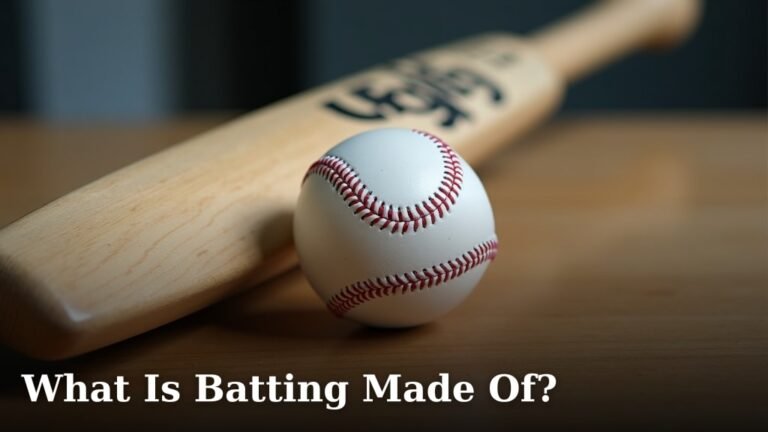
Batting is primarily made from natural or synthetic fibers that are processed into a soft, fluffy material. Common materials include cotton, polyester, wool, and bamboo. The specific fiber used gives…
Fusible interfacing is used to add structure and stability to fabric projects. It’s a special material that has glue on one side, which activates with heat to bond permanently to…
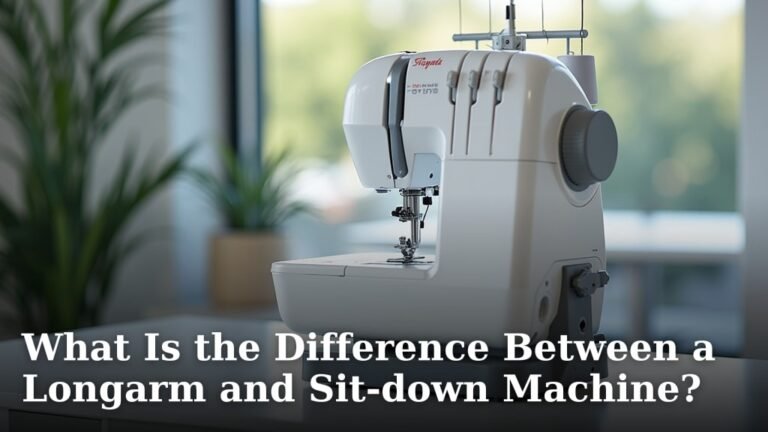
The main difference between a longarm and sit-down machine is how you move the quilt. With a longarm machine, you stand and move the machine head over a stationary quilt….
A stitch regulator is a clever device on your sewing machine that helps keep your stitches even. It works by monitoring the fabric movement and adjusting the needle speed. This…
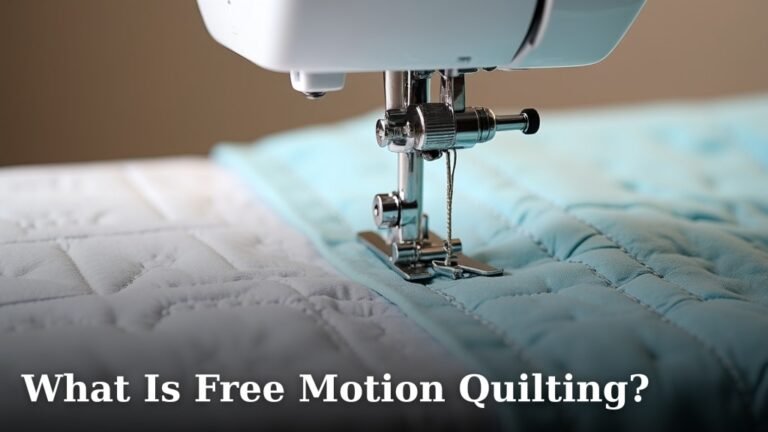
Free motion quilting is a fun and creative way to add designs to your quilt tops using a sewing machine. It involves moving your fabric freely under the needle to…
A walking foot is a sewing machine attachment that helps feed multiple layers of fabric evenly through your machine. It has its own set of feed dogs that work with…
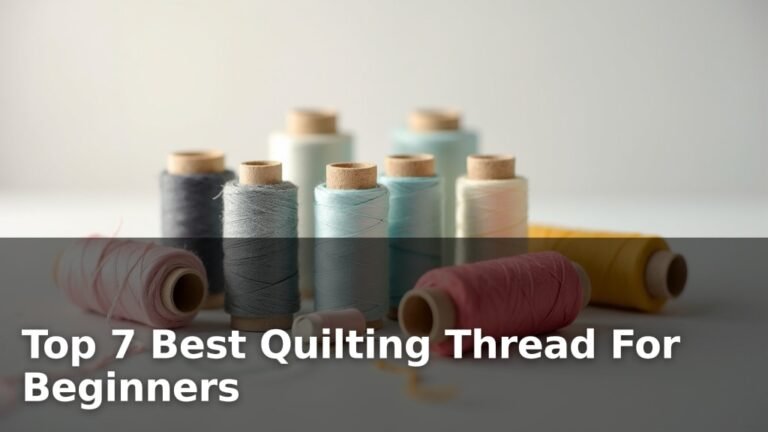
The best quilting threads for beginners are Eoehro 72pcs Sewing Thread for its comprehensive starter kit, VIZOSHI 90PCS Sewing Thread for an extensive color selection, and BlesSew 24 Spools Polyester…
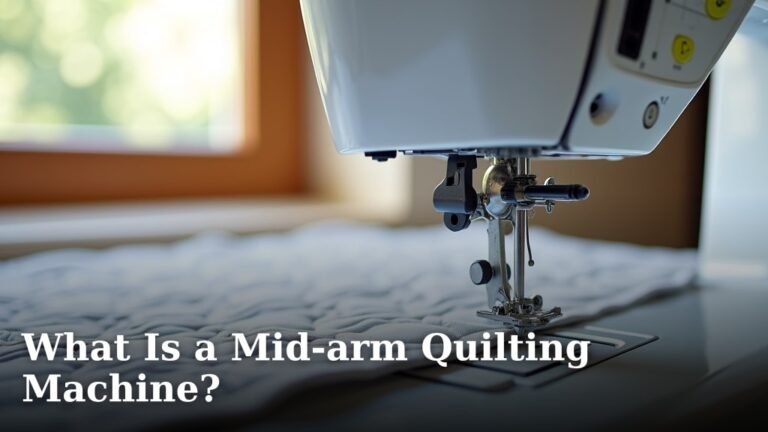
A mid-arm quilting machine is a specialized sewing machine designed to make quilting easier. It features a larger harp space, which is the area between the needle and the machine’s…
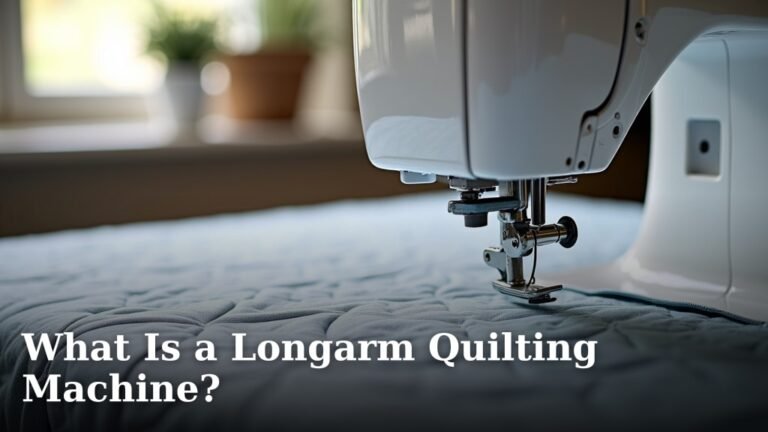
A longarm quilting machine is a specialized sewing machine that allows you to quilt large projects easily. It features a long arm or throat space, making it perfect for handling…
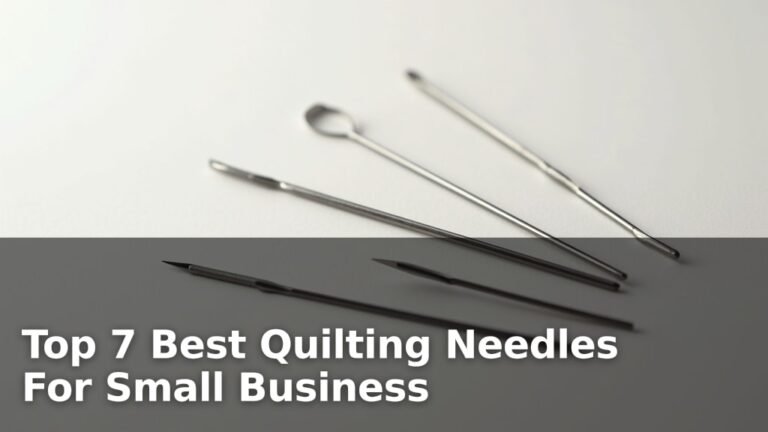
The best quilting needles for a small business are those offering a blend of durability, ease of use, and versatility for various fabric types, with top contenders including JNENERY Large…