Singer M1500 Sewing Machine Review: Worth It? (November 2026)
The Singer M1500 is a strong choice for simple sewing, basic mending and small quilting projects. Its preset stitch length and width, clear dial and guided threading keep the main controls easy to follow.
On this page (10 sections)
- Singer M1500 review: what does it do best?
- How many stitch applications are enough?
- Are the Singer M1500 controls easy to use?
- How does threading work on the M1500?
- What accessories are included?
- Is the Singer M1500 suitable for quilting?
- How should you set up the M1500?
- What are the Singer M1500's main trade-offs?
- How should you care for the Singer M1500?
- Is the Singer M1500 worth choosing?
The Singer M1500 is a practical beginner machine for simple sewing, mending, crafts and basic quilt piecing. It suits readers who want a clear starting point without a long list of controls to learn first.
Its 6 built-in stitches provide 57 stitch applications, and the preset stitch length and width keep the main controls simple.
That mix covers the work many beginners actually do at home. Straight stitching handles everyday seams, while zigzag and multi-step zigzag support edge work and repairs.
Blind hem and scallop stitch add useful options for garments and craft projects.
The 4-step buttonhole also matches that practical focus. It gives you a marked process for a common task, rather than asking you to work out each stage from scratch.
For quilt piecing, the available stitches suit simple block construction and small projects.
The trade-off is limited adjustment. You get a clear mechanical-style dial and guided setup, but advanced projects may need more control over stitch length, width or specialty features.
If you already know you want fine control, that limit matters from the start.
Even with that limit, the design has a clear purpose. It trades flexibility for ease of selection, which can make early practice calmer and more repeatable.
For simple sewing, that trade often works in your favour.
Singer M1500 review: what does it do best?
The Singer M1500 works best when you want straight stitching, zigzag work, simple hems, buttonholes and light craft sewing without choosing stitch dimensions manually. Its stitch selector dial shows the available choices directly on the machine.
The built-in options include straight, zigzag, blind hem, multi-step zigzag, scallop stitch and a 4-step buttonhole. Together, they cover common repairs, garment tasks, decorative edges and simple quilt construction.
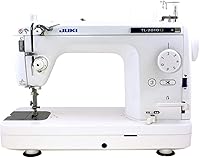
SINGER® M1500 Lightweight & Portable Sewing Machine: Best for simple sewing controls

- 6 built-in stitches
- 57 stitch applications
- Preset stitch length and width
- 4-step buttonhole
- Corded electric power
A compact SINGER machine for beginners, basic mending, crafts and simple quilt piecing. The dial, preset settings and marked threading guides reduce the number of controls you need to manage.
Pros
- 57 stitch applications from 6 built-in stitches
- Preset stitch length and width
- Clear stitch selector dial
- Threading guides are marked on the machine
- Includes several useful feet and sewing accessories
Cons
- Preset settings give less control than a machine with adjustable stitch length and width
- Corded electric power limits where you can sew
- Basic stitch selection may not suit advanced decorative work
The machine is made from metal and plastic, comes in white and uses corded electric power. Its 5 kg weight and compact footprint make it easier to consider for a sewing table that also needs to serve other purposes.
Best for simple sewing controls
The Best for simple sewing controls badge reflects the M1500's dial-based selection and preset stitch dimensions. You turn the selector to the stitch you need, then follow the marked setup guidance.
This approach can help if you are learning how stitch choice affects a seam. It also reduces the chance of choosing a stitch length or width that does not suit a basic task.
How many stitch applications are enough?
The Singer M1500's 57 stitch applications are enough for many everyday sewing jobs, especially if your projects focus on seams, hems, mending and simple quilt blocks. The number comes from 6 built-in stitches rather than 57 separate stitch families.
Straight stitch handles many standard seams. Zigzag and multi-step zigzag can support edge finishing, while blind hem and scallop stitch add options for selected garment and craft projects.
The 4-step buttonhole is marked on the stitch selector dial. You follow the four stages instead of trying to create the entire buttonhole in one continuous setting.
If you need many adjustable decorative patterns, automatic buttonhole steps or fine control over stitch dimensions, compare the machine with a more advanced model. The Best Mechanical Quilting Machine For Home Use guide can help you compare machines by room and project needs.
Are the Singer M1500 controls easy to use?
The main controls are simple because the stitch choices are displayed on the selector dial and the stitch dimensions are preset. That setup suits readers who would rather focus on fabric handling than calculate settings for every seam.
Start by matching the project to a stitch. Use a straight stitch for ordinary seams, then consider zigzag or multi-step zigzag when the edge or construction calls for a different finish.
The preset design also creates a clear limit. You cannot fine-tune every stitch in the same way you could with a machine that offers adjustable length and width.
For a first machine, fewer choices can make practice less confusing. For experienced sewing, the same simplicity may feel restrictive when you want a particular seam appearance or fabric response.
Readers setting up a shared sewing area may also want the Best Mechanical Quilting Machine For Sewing Rooms guide for broader placement and machine-selection advice.
How does threading work on the M1500?
The Singer M1500 uses threading guides marked directly on the machine for winding the bobbin and threading the upper thread. Those visual guides can make the first setup easier to repeat.
Before threading, switch off the machine and place the thread where the guide indicates. Follow the sequence instead of skipping a guide, since incorrect threading can affect tension and stitch formation.
Insert the bobbin as directed in the manual, then raise the presser foot when threading the upper path if the instructions call for it. Pull the thread through each marked point and check that it sits securely.
The free Creativate app provides access to the M1500 manual, quick-start help, tutorials, troubleshooting tips and accessory information. That support can be useful when a diagram is easier to follow than a short written instruction.
What accessories are included?
The M1500 includes three presser feet and several basic sewing tools. The all-purpose foot covers general sewing, while the zipper and buttonhole feet match specific tasks named in the machine's included components.
The accessory set includes:
- All-purpose foot
- Zipper foot
- Buttonhole foot
- Darning plate
- Pack of needles
- Transparent SINGER Class 15 bobbins
- Needle plate screwdriver
- Spool pin felt
- Seam ripper and lint brush
- Soft-sided dust cover
These items let you begin common sewing tasks without separately gathering every basic tool. Keep the feet, bobbins and needles together so setup stays consistent between projects.
Use the correct foot for the task and follow the manual when changing it. A zipper foot is meant for zipper work, while the buttonhole foot supports the marked 4-step buttonhole process.
Is the Singer M1500 suitable for quilting?
The Singer M1500 can suit basic quilt piecing and small quilting projects, especially when your work depends on straight seams and simple stitch applications. Its compact size may also fit a smaller sewing area.
It is not a dedicated long-arm quilting machine. Plan projects around the fabric volume you can comfortably guide through the machine, and avoid treating a portable setup as a substitute for a larger quilting throat space.
Press and align pieces before sewing. Use consistent seam allowances, secure thread ends and check each block as you go.
Quilters who want a beginner-focused comparison can read Best Mechanical Quilting Machine For Beginners. If your main concern is limited room, Best Mechanical Quilting Machine For Apartments offers another way to compare compact machine needs.
How should you set up the M1500?
Set the Singer M1500 on a stable, level sewing surface with enough room for fabric before and after the needle. Since it uses corded electric power, place it near a suitable outlet and keep the cord clear of the work area.
Begin with the needle, bobbin and upper thread installed according to the manual. Select a simple stitch, place a fabric scrap under the presser foot and check the seam before starting the main project.
Keep your hands beside the needle area rather than directly in front of it. Guide the fabric gently and let the machine feed it at its normal pace.
Good lighting also matters when threading, aligning fabric and checking stitches. The machine includes an LED light, which can help you see the needle area during routine sewing.
For readers comparing broader sewing choices, the Best Sewing And Quilting Machine For Beginners guide covers machines for learning both sewing and quilt work. The Best Sewing And Quilting Machine For Home Use guide is useful when the machine will stay set up at home.
What are the Singer M1500's main trade-offs?
The M1500's strongest point is simple operation with useful basic coverage. The dial, preset stitch dimensions and marked threading guides make it easier to start a project without managing many settings.
Its main weakness is reduced control. Preset length and width help beginners, but they also limit adjustments when you want a longer seam stitch, a narrower zigzag or a more exact decorative result.
The machine also needs a power outlet because it is corded electric. That is normal for a home sewing machine, but it matters if you plan to move between rooms or attend classes.
The included feet and tools improve its starting value for general sewing. Still, match your expectations to the machine's purpose: simple sewing, mending, crafts and basic quilt piecing rather than advanced machine quilting.
How should you care for the Singer M1500?
Unplug the machine before cleaning, changing the needle or replacing a presser foot. That basic step keeps setup work safer and makes it easier to focus on what you are changing.
Remove lint from the needle and bobbin areas with the tools and method recommended in the manual. Regular cleaning helps thread move more smoothly and makes it easier to spot loose threads or build-up.
Use the correct bobbin and needle setup for the machine. The included transparent SINGER Class 15 bobbins and pack of needles make it simpler to keep spares ready and matched to the machine.
A bent or damaged needle should be replaced rather than pushed through another seam. Checking the needle after a break or an uneven patch can save you from repeating the same problem on the next piece.
Keep the machine covered when it is stored. The included soft-sided dust cover can help reduce dust on the machine between projects, especially if it sits in a shared room.
Check the thread path if stitches become uneven. Re-threading from the start often clears a small issue faster than adjusting the fabric or pressing harder.
Avoid forcing fabric through the needle area. Let the machine feed the work at its normal pace, and guide it gently so the needle can form each stitch cleanly.
If the thread jams or the needle breaks, stop, switch off the machine and check the threading, bobbin placement and fabric position before continuing. A short pause at that point is usually better than trying to sew through the fault.
Store the feet, screwdriver, seam ripper and spare needles together. Keeping the kit tidy means the next set-up starts with the right parts close at hand.
Is the Singer M1500 worth choosing?
The Singer M1500 is worth choosing if you want a compact, corded machine with clear controls for simple sewing and basic quilting. Its 57 stitch applications, preset settings and included feet cover many beginner projects without asking you to manage advanced controls.
It may suit you best if your sewing list is steady but not complex. Mending a hem, joining simple seams, sewing a zip, making a basic buttonhole or piecing small quilt blocks all fall within its intended range.
The included accessories also help the case. An all-purpose foot, zipper foot and buttonhole foot cover the main tasks, while the darning plate, bobbins, needles and seam ripper support set-up and small repairs.
Set-up is part of the value here. The stitch selector dial shows the choices clearly, and the threading guides are marked on the machine, so early sessions focus more on fabric and less on searching for settings.
That simplicity will not suit everyone. If you want to adjust stitch length and width to fine-tune a seam, create varied decorative work or move on to larger quilting projects, the preset design will feel restrictive.
Choose another type of machine if you need extensive stitch adjustment, advanced quilting space or more automated controls. Pick the M1500 when easy selection and a manageable setup matter more than a long list of advanced features.
Size and power are worth weighing too. At 5 kg, with dimensions of 11.34 inches deep, 14.57 inches wide and 7.12 inches high, it is easier to place in a smaller space.
Corded electric power still means you need an outlet nearby.
For the most direct fit, choose the M1500 for simple sewing, mending, crafts and small quilt projects. Compare a larger or more adjustable machine when your projects demand more control than its preset settings provide.
If you are unsure, think about the next year of sewing rather than the first week. When most of that work stays basic, this machine gives you a straightforward way to begin and keep practising.
Frequently asked questions
Is the Singer M1500 good for beginners?
The Singer M1500 suits beginners because its stitch selector dial clearly displays the choices, while stitch length and width are preset. Marked threading guides also simplify setup.
It offers enough range for simple sewing, mending, crafts and basic quilt piecing without requiring you to adjust several settings first.
How many stitches does the Singer M1500 have?
The Singer M1500 has 6 built-in stitches that provide 57 stitch applications. These include straight, zigzag, blind hem, multi-step zigzag, scallop stitch and a 4-step buttonhole.
The application count reflects the different ways those built-in stitches can be used for sewing tasks.
Is the Singer M1500 portable?
The Singer M1500 is described as lightweight and portable, with dimensions of 11.34 inches deep, 14.57 inches wide and 7.12 inches high. It weighs 5 kg and uses corded electric power, so it can suit smaller sewing spaces or classes where a power outlet is available.
What comes with the Singer M1500?
The Singer M1500 includes an all-purpose foot, zipper foot, buttonhole foot, darning plate, pack of needles, transparent SINGER Class 15 bobbins, needle plate screwdriver, spool pin felt and seam ripper with lint brush. The product description also names a soft-sided dust cover.