Which Laser Should You Choose for Your Quilting Frame?
Choose a quilting frame laser only if it can mount securely to your frame and its beam stays visible on your fabric. Check adjustability, power, placement and how you plan to follow the line before buying.
On this page (6 sections)
Choose a quilting frame laser only if it mounts securely to your frame and its beam remains visible on your fabric. Check the mounting point, adjustment range, beam visibility and the kind of quilting line you want to follow.
A laser can guide a straight path or help you line up a row. For broader pattern guidance on a longarm, compare longarm tracing systems.
It does not necessarily transfer a full motif to the quilt, so the right choice depends on your pattern and workflow.
For broader frame decisions, see How to Choose the Best Quilting Machine Frame and Quilting Frame vs. Table: Which Should You Choose?.
What should you check in a laser for a quilting frame?
Start with mounting compatibility and a stable beam. A laser that cannot attach safely or stay aimed will not give you a useful quilting guide.
Before choosing one, check:
- Mount fit: Does it attach to your frame or machine using a mounting point the manufacturer supports?
- Clearance: Can you move the machine and quilt without the laser, cable or bracket interfering?
- Adjustment: Can you aim the line where you need it, then keep it there?
- Visibility: Can you see the beam clearly on your fabric in your normal room lighting?
- Power and controls: Are the power source and switch practical to reach during setup?
- Safety instructions: Does the manufacturer explain safe positioning and use?
A laser advertised for sewing or quilting may still need a mount that matches your particular frame. Check the instructions or ask the manufacturer about your exact setup before ordering.
The projected line should be easy to follow without making you change your posture or lose sight of the needle area. If your fabric is dark, textured or brightly lit, check visibility on a similar scrap first.
Will the laser show the pattern you want to sew?
A laser shows a projected guide, not necessarily a complete quilting design. It may suit straight lines or alignment, while a stencil can mark curves, leaves or other motifs directly on the quilt.
Think about what you plan to stitch:
| Quilting task | A laser may help when | Another guide may fit better when |
|---|---|---|
| Straight rows | You need a visible reference line | The beam is hard to see across the quilt |
| Repeating motifs | You need help aligning rows | You want a complete pattern to trace |
| Free-motion curves | You want a general point of reference | You need the exact curve marked on fabric |
| Longarm work | The mount stays aligned as the machine moves | The beam shifts or the mount obstructs movement |
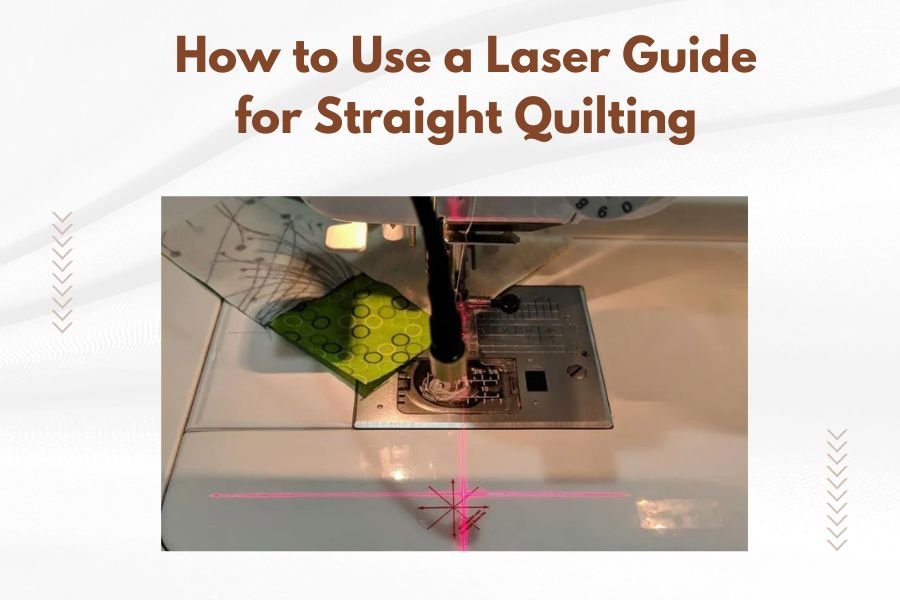
If you are new to projected guides, How to Use a Laser for Precision Quilting explains how a laser can fit into a guided workflow. For straight rows, see How to Use a Laser Guide for Straight Quilting.
When is a stencil a better fit than a laser?
Choose a stencil when you want a motif marked on the fabric to follow. It can be a practical alternative if the laser mount does not fit your frame or the projected line is hard to see.
A stencil and chalk pounce pad can transfer a design before quilting. That gives you a marked path to follow even when the machine moves across a larger area.
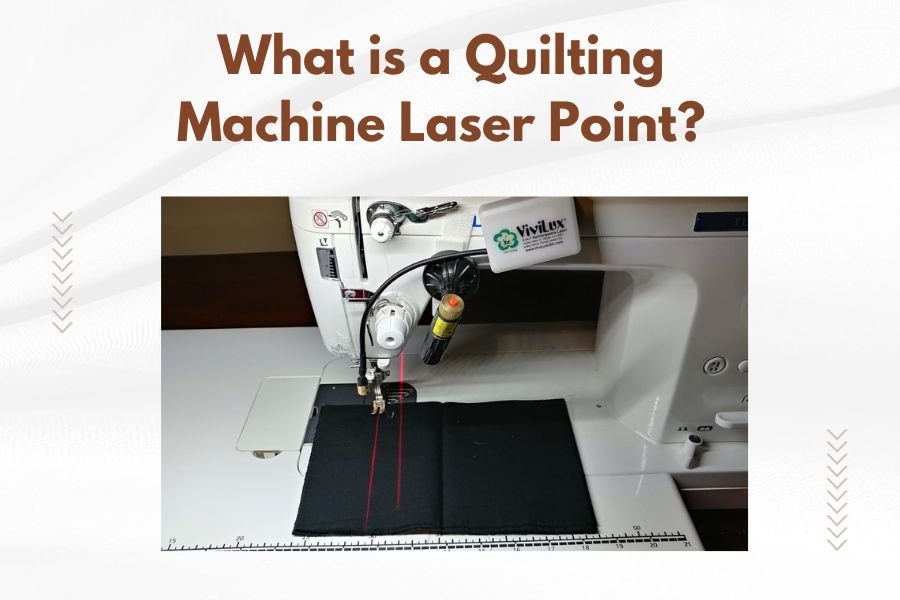
Review Best Quilting Stencils for Laser Tracing to compare pattern options, and read What is a Quilting Machine Laser Point? for the difference between a laser point and a projected guide.
These Full Line Stencil options support a marked-pattern workflow:
A stencil needs to suit the scale and style of your quilt. Check the motif size and how repeats connect before marking a large area.
How can you check laser visibility before quilting?
Test the beam on a fabric scrap in the lighting you normally use. Visibility depends on the fabric, room light and where the laser sits, so a quick setup check is more useful than assuming every beam will show equally well.
Place a similar fabric under the machine and aim the laser at the work area. Check from your regular sewing position, then move the machine through its range and see whether the line remains visible and aligned.
Use the setup only as the laser manufacturer directs. Keep the beam pointed away from eyes, and do not use a laser whose mount shifts during movement.
If the line fades into the fabric or disappears in room lighting, consider a different mounting position or a stencil-marking method. A guide that is difficult to see can interrupt your rhythm and make spacing harder to judge.
How do you decide between a laser and a marked stencil?
Pick the guide that matches the stitch path you need to follow. A laser can provide a live line reference; a stencil can leave a specific motif on the fabric before you begin.
Choose a laser if the mount fits your setup, the beam stays visible and you mainly need alignment or straight-line guidance. Choose a stencil if you want a repeatable shape marked across the quilt or need a guide that remains visible as you reposition the machine.
Before settling on a method, check the frame movement, fabric color, lighting and pattern scale together. If you are choosing a frame as well as a guide, compare the setup options in How to Choose the Best Quilting Machine Frame.
Which quilting frame laser should you choose?
Choose a laser that fits your frame and stays visible throughout the work area. If you cannot confirm the mount or see the beam clearly on your fabric, use a stencil and marking method instead.
For straight lines, prioritize stable mounting and clear alignment. For a motif such as leaves or a continuous design, choose a stencil that fits the quilt scale and mark it before stitching.
A quilting guide works best when you can follow it comfortably from your normal position.
Frequently asked questions
Do quilting frame lasers work with every frame?
No. A laser must attach securely to your specific frame or machine, and the mount needs to hold its position while you quilt.
Check the frame and laser instructions for compatible mounting points, clearance and adjustment.
If those details are unclear, ask the manufacturer before buying.
Is a laser better than a quilting stencil?
A laser projects a line you can follow, while a stencil marks a pattern on the fabric. A laser can suit straight or guided lines, but stencils give you a design to trace.
Choose based on the pattern you want and whether a projected line stays visible on your quilt.
Can I use a laser to trace quilting patterns?
You can follow a visible projected line while quilting, but a laser does not automatically transfer a full design onto fabric. For repeating motifs or curves, a stencil and marking method may provide a clearer path.
Test the setup on a fabric scrap before using it on your quilt.
What should I check before mounting a quilting laser?
Confirm the mount fits the frame or machine, stays clear of moving parts, and lets you aim the beam at the area you are quilting. Check visibility under your room lighting and across the fabric color.
Follow the laser maker's safety instructions, and keep the beam away from eyes.