Top 7 Best Bobbin Thread For Home Use
The best bobbin thread for home use are options like LIUHG 96Pcs Professional Thread for its professional durability, LIUHG 72Pcs Professional Thread for high-performance sewing, and New brothread 144pcs Type…

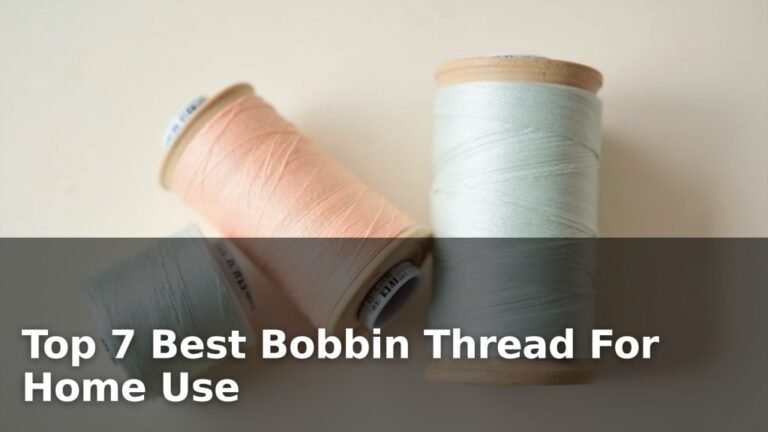
The best bobbin thread for home use are options like LIUHG 96Pcs Professional Thread for its professional durability, LIUHG 72Pcs Professional Thread for high-performance sewing, and New brothread 144pcs Type…
The best cotton batting for beginners includes options like PLANTIONAL Grinding Cotton for a smooth finish, PLANTIONAL 200g/m² Cotton for durable quilts, and FIVEIZERO 100% Natural Cotton for beginner quilting…
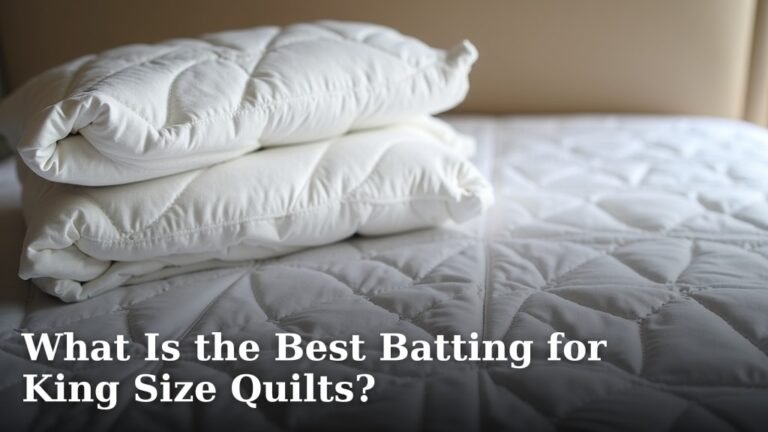
The best batting for king size quilts is typically a lightweight, breathable cotton or cotton blend. This choice ensures your quilt remains warm and comfortable without being overly heavy or…
Yes, you absolutely can quilt with linen! It’s a wonderful material for quilting, offering a unique feel and beautiful drape. Many quilters find that linen adds a luxurious, heirloom quality…
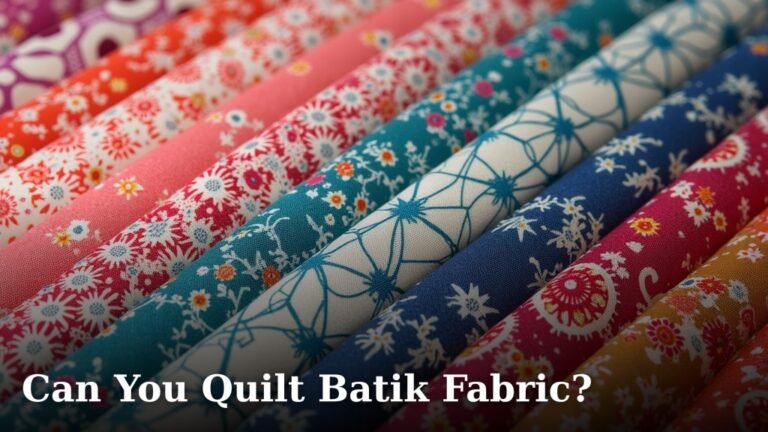
Yes, you absolutely can quilt batik fabric. In fact, many quilters find that batik’s unique properties make it a delightful choice for a wide range of projects. You might wonder…
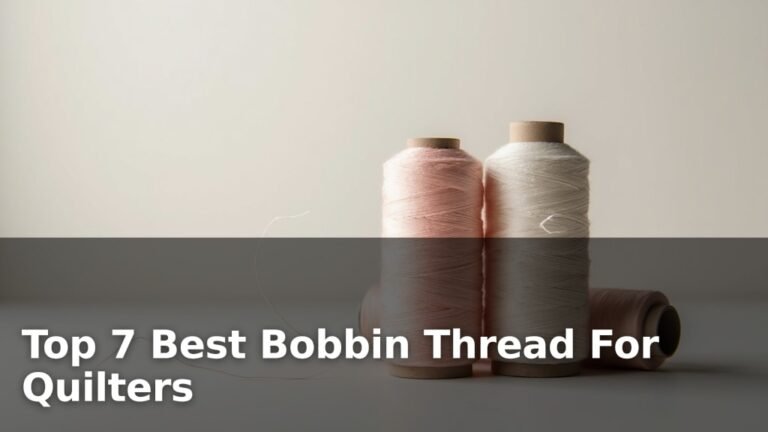
The best bobbin thread for quilters includes options like the LIUHG 96Pcs Thread Kit for professional durability, the LIUHG 72Pcs Thread for high-performance quilting, and the ilauke 210 pcs Bobbins…
The best bobbin thread for beginners are options like LIUHG Professional Sewing Thread (High-Strength Stitching), LIUHG 96Pcs Sewing Thread (Durable & Smooth), and ilauke 50Pcs Sewing Thread (Beginner Value), chosen…
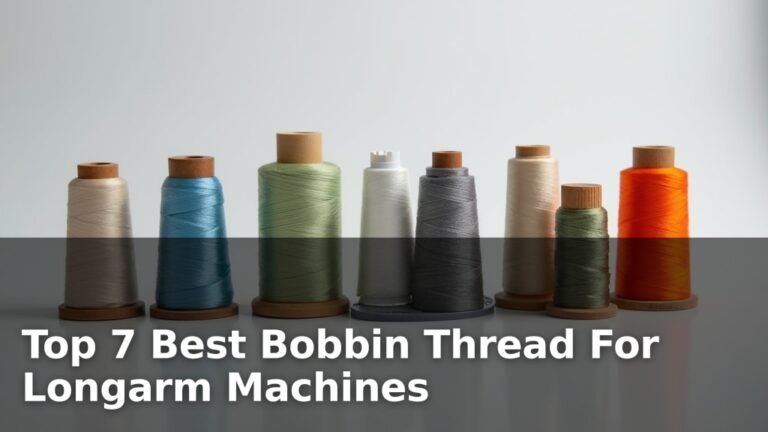
The best bobbin thread for longarm machines includes options like WonderFil DecoBob Prewound for embroidery, Grace M Class Bobbins for general quilting, and DOUBLELIN MPW-60S2 Prewound for versatile projects. Choosing…
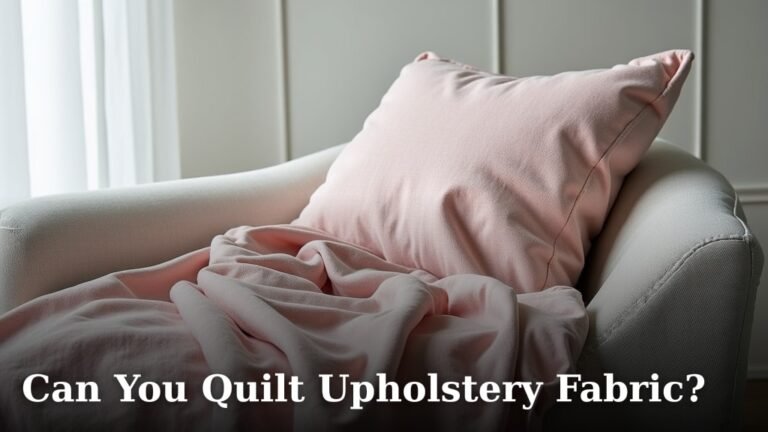
Yes, you absolutely can quilt upholstery fabric! It’s a fantastic way to add texture, durability, and unique style to your home décor projects. While it might seem a bit daunting,…
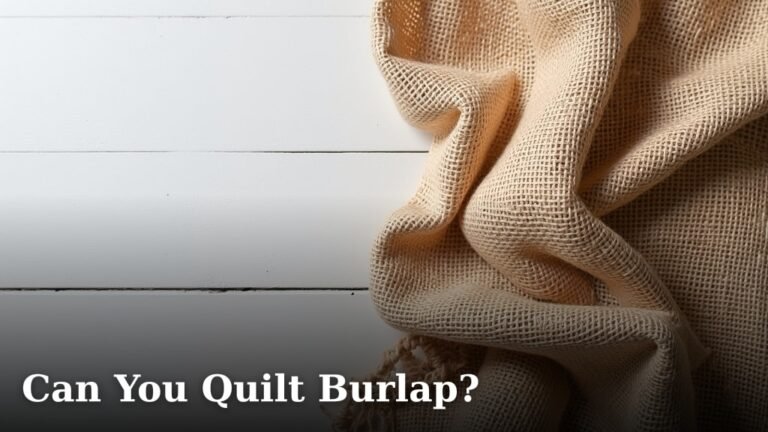
Yes, you absolutely can quilt burlap, but it requires a bit of know-how. While it’s not as straightforward as quilting with cotton, burlap can be a fun and rustic material…