How to Choose a Multi Needle Quilting Motor Rating
Choose a motor rating that meets the machine maker’s requirements for your needle count and planned workload. Match the rating to fabric layers, operating hours and stitch speed, then confirm the motor and controller are compatible.
On this page (7 sections)
- What does a motor rating tell you?
- How should you match the rating to your quilting workload?
- Does needle count change the motor rating you need?
- Which motor features matter besides wattage?
- Which supporting products can help with motor decisions?
- What should you ask before choosing a machine or replacement motor?
- How do you choose the right multi needle quilting motor rating?
Choose a multi needle quilting motor rating by matching the machine’s required power to needle count, fabric load and planned run time. Confirm the rating and motor type in the machine manufacturer’s documentation; a higher number alone doesn’t prove the motor is suitable.
A multi-needle quilting machine can place more stitches in one pass than a single-needle machine, but its motor must handle the machine’s design and intended pace. Start with the maker’s requirements, then compare your workload against them.
If you’re still choosing the machine itself, begin with How to Choose the Best Quilting Machine for Your Needs. It can help narrow the machine type before you compare motor details.
What does a motor rating tell you?
A motor rating describes a defined electrical or mechanical capacity, but the number only helps when you know what it measures. Check whether the manufacturer specifies input power, output power, current, voltage, speed or another rating.
Input watts describe electrical power drawn by the motor system. Output power describes the mechanical work delivered at the shaft, so those figures aren’t interchangeable.
Voltage and current matter for electrical compatibility. A machine designed for a particular supply must be used with the matching electrical setup and any required controller.
Motor speed is also different from power. A high speed rating describes possible rotation, while torque describes turning force; both affect performance, but they don’t replace the machine maker’s stated motor requirements.
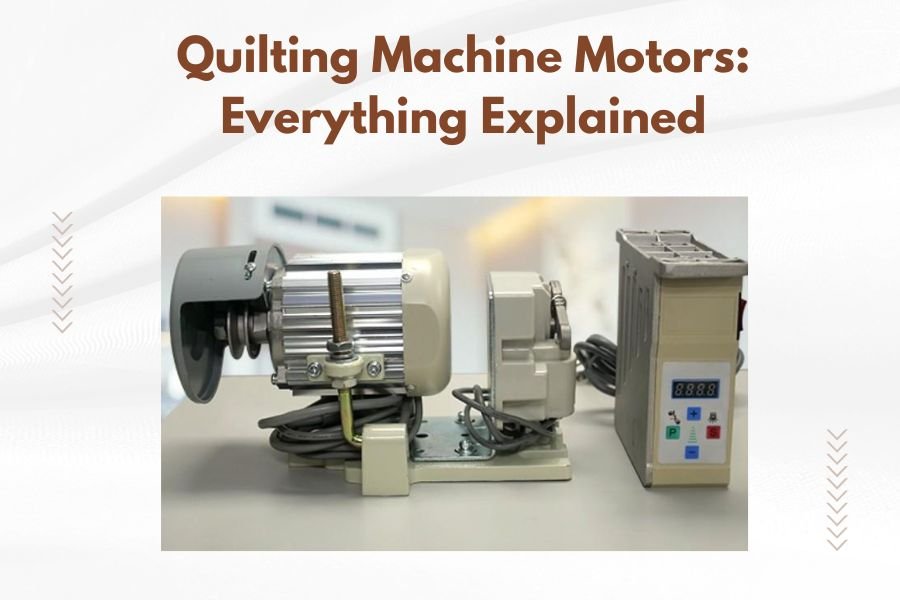
Our guide to Quilting Machine Motors: Everything Explained covers these motor terms in more detail. Use it to understand the rating labels before comparing machines.
How should you match the rating to your quilting workload?
Match the motor to how often and how hard you plan to run the machine, using the manufacturer’s stated limits as the baseline. Consider quilting hours, stitch speed, fabric thickness and the number of layers in a typical project.
For machine options suited to demanding quilting, see heavy-duty quilting machines.
A machine used for occasional practice has a different workload from one running long production shifts. Ask the manufacturer or dealer whether the stated motor rating supports your expected hours and pace.
Thick quilts and dense batting can place more resistance on the needle system than a light practice sandwich. The machine’s approved material range, needle setup and stitch speed all help define the load it is designed to handle.
| Workload factor | What to check |
|---|---|
| Run time | Rated duty cycle, continuous-use limits or recommended rest periods |
| Stitch speed | Approved operating speed and whether the machine maintains it under load |
| Quilt layers | Material and thickness range approved by the machine maker |
| Needle count | Motor and controller requirements for the exact machine configuration |
| Work schedule | Expected daily hours, production pace and maintenance needs |
If the maker doesn’t state a duty cycle or continuous-use limit, ask for that information before planning long shifts. Don’t infer continuous-use capacity from watts alone.
Does needle count change the motor rating you need?
Needle count can affect the machine’s load, but there isn’t one universal motor rating for every multi-needle machine. Use the motor specification for the exact model and needle configuration you plan to run.
A machine with more needles may drive a larger or more complex system. That doesn’t mean you can calculate its correct motor size from needle count alone; the drive, stitch mechanism, control system and machine design matter too.
Confirm that the motor, controller and machine configuration are approved as a matched system. A replacement motor with a similar wattage may still have the wrong speed range, shaft, mounting or electrical requirements.
If you’re comparing stitch options as well as machine capacity, see are more built-in stitches better in machines?. Stitch count is a separate feature from motor capacity.
How to compare multi needle quilting motor ratings
Compare ratings only when they refer to the same measurement and operating conditions. Check voltage, input or output power, speed range, duty cycle and the intended machine configuration.
Look for the motor information in the manual, technical specification sheet or manufacturer support materials. If a supplier gives a wattage without stating what it measures, request clarification before comparing it with another model.
A quoted rating should also match the machine’s electrical supply. Don’t install a motor or controller based only on a similar power number.
Which motor features matter besides wattage?
A suitable motor needs the right control, speed range and compatibility for the quilting machine. Wattage is only one part of that decision.
A controller can affect how the motor responds to your foot pedal or control panel. Ask whether the control system supports slow startup, speed adjustment and the intended sewing speed under the materials you use.
Torque matters when the machine needs turning force at lower speeds. Check for a maker-specified torque or performance range rather than assuming wattage predicts how the motor will behave during thick sections.
Also verify mounting, shaft dimensions, connectors and cooling requirements before considering a replacement motor. A motor that physically fits may not be electrically or mechanically compatible.
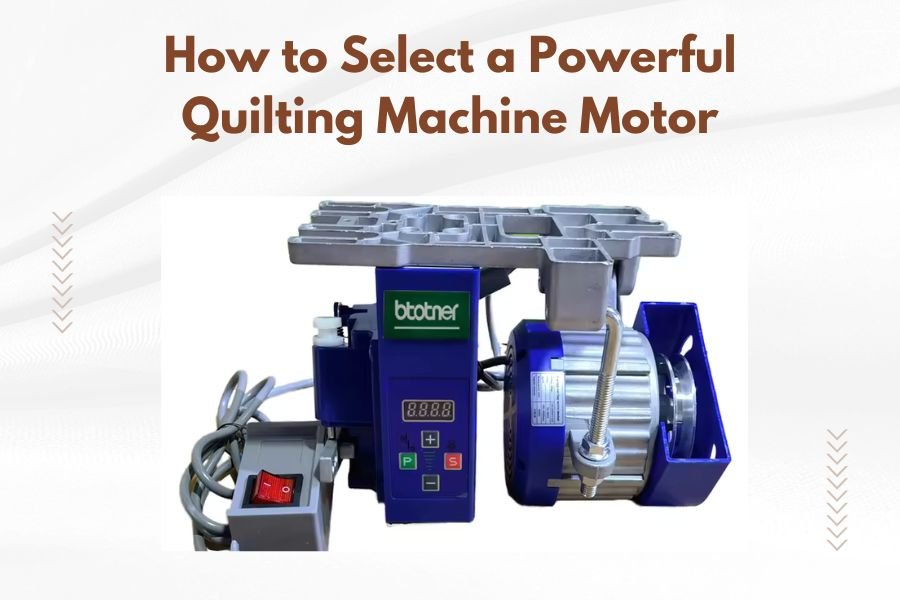
For a step-by-step selection approach, read How to Select a Powerful Quilting Machine Motor. Confirm your choice against the multi-needle machine manufacturer’s own specifications.
Which supporting products can help with motor decisions?
These products serve basic sewing or electronics tasks, but they don’t establish the motor requirements for an industrial multi-needle quilting machine. Use the machine maker’s documentation to choose the actual motor and controller.
The Brother machines described here are for everyday home sewing, not evidence of a suitable industrial multi-needle motor rating. The WayinTop encoders are electronic modules, not quilting machine motors.
For needle setup on compatible sewing projects, our How to Choose a Quilting Needle Size? guide explains how to choose a size for your fabric and thread. Needle choice doesn’t change the motor’s rated capacity.
What should you ask before choosing a machine or replacement motor?
Ask the manufacturer or dealer for the exact motor specification and supported workload for the model you plan to buy. Get the answer in writing if the machine will run on a production schedule.
Useful questions include:
- What does the motor rating measure: input power, output power, current or another value?
- What voltage and controller does this model require?
- What needle configuration does the rating support?
- Is the motor rated for continuous use, and are there rest periods?
- What fabric thickness and number of layers does the maker approve?
- What speed range can the motor maintain under the intended load?
- Which replacement motors and controllers are approved for this model?
If you’re selecting equipment for someone who needs easier controls or access, compare the machine’s setup and handling features with our Best Quilting Machine For Seniors guide. Motor power alone won’t determine whether a machine is comfortable to operate.
How do you choose the right multi needle quilting motor rating?
Choose a rating that matches the exact machine configuration and your expected work schedule, with the maker’s operating limits clearly stated. Pick a machine whose motor and controller are specified for your needle count, materials and production pace.
If the manufacturer can’t confirm the rating’s meaning, duty cycle or compatibility, pause the comparison and ask for those details. A clear specification is more useful than choosing the largest wattage on a chart.