
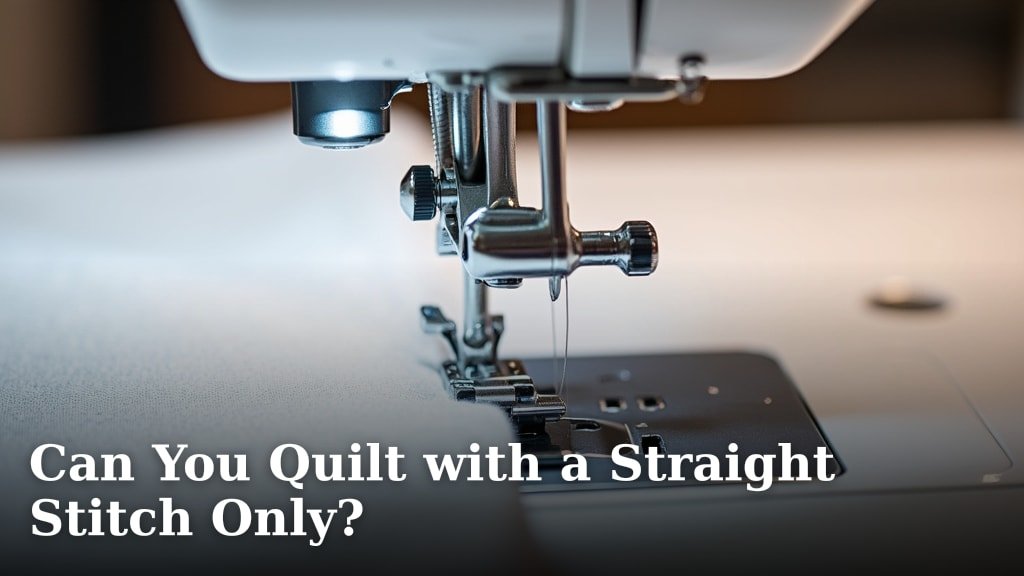
Yes, you can absolutely quilt with a straight stitch only! Many quilters find that a simple, straight stitch is all they need for piecing quilt blocks and even for some quilting-in-the-ditch techniques. You don’t need fancy stitches to create beautiful quilts.
While decorative stitches can add flair, a reliable straight stitch is the workhorse of quilting. It’s perfect for creating those precise seams that hold your quilt top together. You’ll find it’s easy to control and predictable, which is exactly what you want when piecing small fabric pieces.
- You can definitely quilt with just a straight stitch.
- It’s perfect for piecing quilt blocks accurately.
- Many quilters use it successfully for various quilt projects.
- No fancy stitches are required to make a beautiful quilt.
Let’s dive into how you can achieve great results using only your machine’s straight stitch for your quilting projects.
You’re probably wondering if your trusty sewing machine’s straight stitch is enough for quilting. The short answer is a resounding yes! Many quilters build beautiful projects using only this fundamental stitch. It’s the backbone of piecing and can even handle some quilting. Let’s explore how you can make it work for you. Learn about the best quilting machines for beginners that excel with a straight stitch.
Mastering Quilting with Just Your Straight Stitch
Yes, you can absolutely quilt with only a straight stitch. It’s the most basic and widely used stitch on any sewing machine. For quilters, this means you don’t need to be a tech wizard or own a fancy machine to create stunning quilts. Your standard straight stitch is your best friend here. It’s designed for precision and durability. This stitch is what holds your quilt layers together securely. It’s reliable for both piecing quilt tops and quilting the layers.
The Straight Stitch: Your Quilting Workhorse
Think of your sewing machine’s straight stitch as the sturdy, reliable hammer in a carpenter’s toolbox. You can build an entire house with just a hammer, a saw, and some nails. Similarly, you can create a gorgeous quilt with just a straight stitch and basic quilting techniques. This stitch forms the foundation of your quilt. It’s essential for accurate piecing. Every seam needs to be strong and straight. The straight stitch excels at this. It’s a predictable stitch that gives you control. This control is vital when working with small fabric pieces. It helps ensure your points match up. It also keeps your seams from fraying later.
Why the Straight Stitch is Perfect for Beginners
If you’re new to quilting, the thought of mastering complex stitches can be daunting. But you don’t need to worry about that! The straight stitch is incredibly easy to learn and use. Most sewing machines are already set to this stitch. You just need to select the correct length. This simplicity allows you to focus on other important quilting skills. You can concentrate on cutting accurately. You can also practice your seam allowances. Learning these fundamentals with a straight stitch is much easier. It builds your confidence. You’ll be piecing quilt blocks like a pro in no time. It’s a forgiving stitch. Minor imperfections are less noticeable with a straight stitch.
Achieving Accurate Piecing with a Straight Stitch
Precise piecing is the secret to a well-made quilt. Your straight stitch is key to this accuracy. The stitch length you choose is important. For most quilting cottons, a stitch length of 1.8mm to 2.5mm is generally recommended. A shorter stitch length makes the seam stronger. It also prevents fraying. Some quilters prefer a slightly longer stitch for specific fabrics. Experimenting is a good idea. Always test your stitch length on scraps. This ensures it works well with your fabric and thread combination. Consistent seam allowances are also critical. Aim for a 1/4 inch seam. This is standard in quilting. Using a 1/4 inch foot on your machine can help. It guides your fabric perfectly. A straight stitch ensures these seams are neat and straight. This makes pressing easier too. Properly pressed seams lie flat. They contribute to a smooth quilt top. A well-pieced quilt top is the first step to a beautiful final product.
Beyond Piecing: Using Straight Stitch for Quilting the Layers
You might think that once your quilt top is pieced, you’ll need fancier stitches to quilt through all the layers. Not at all! Your faithful straight stitch can handle the quilting process too. This is often referred to as “stitch-in-the-ditch.” It’s a classic quilting technique. It uses a simple straight stitch. It’s effective and visually pleasing.
Stitch-in-the-Ditch Technique Explained
Stitch-in-the-ditch is exactly what it sounds like. You are stitching right in the “ditch” or seam line between fabric pieces. This technique helps hold the quilt layers together. It also adds subtle definition to your quilt design. It’s a wonderful way to quilt without distracting from the pieced pattern. For this, you want your straight stitch to be as close to the seam as possible. Your machine’s walking foot is a huge asset here. It feeds all three layers (top, batting, backing) evenly. This prevents puckering and shifting. A longer stitch length is often preferred for quilting. This is because you’re stitching through multiple layers. A length of 2.5mm to 3.0mm can work well. It helps prevent the needle from creating too many holes. This reduces the risk of the fabric tearing over time. Many quilters find this technique very relaxing. It’s a meditative process. You’re creating a strong, beautiful quilt.
Free-Motion Quilting with a Straight Stitch
Did you know you can even do free-motion quilting with just a straight stitch? Yes, you can! This involves dropping your feed dogs. You then move the fabric freely under the needle. This allows you to create curves, swirls, and any design you can imagine. Your straight stitch will form the lines of your design. You’ll need a darning or free-motion foot for your machine. These feet have a large loop to allow fabric movement. You also need to control the speed of your machine. A foot pedal with good speed control is very helpful. It allows you to stitch slowly and precisely. You can quilt beautiful, organic patterns. Think of drawing with your sewing machine. You’re using your straight stitch to draw those lines. It takes practice, but it’s very achievable. Many quilters start with simple free-motion designs. Then they gradually build up to more complex patterns.
Choosing the Right Thread and Needle
When using only a straight stitch for piecing and quilting, your thread and needle choice become even more important. For piecing, a good quality cotton or cotton-blend thread is ideal. Look for thread that is strong and smooth. A 50wt thread is a popular choice for piecing. It’s strong enough to hold seams together. It’s also fine enough not to add bulk. For quilting the layers, you might consider a slightly thicker thread. An 80wt or 40wt thread can be used. Thicker threads add more visible texture. They can enhance your stitch-in-the-ditch or free-motion designs. Always use a sharp, new needle. A universal needle in size 80/12 is a good starting point. For quilting, you might use a quilting needle. These are designed to penetrate multiple layers cleanly. Remember to change your needle often. A dull needle can cause skipped stitches or fabric snags. This is true for any stitch, but especially when relying on the straight stitch for all your work.
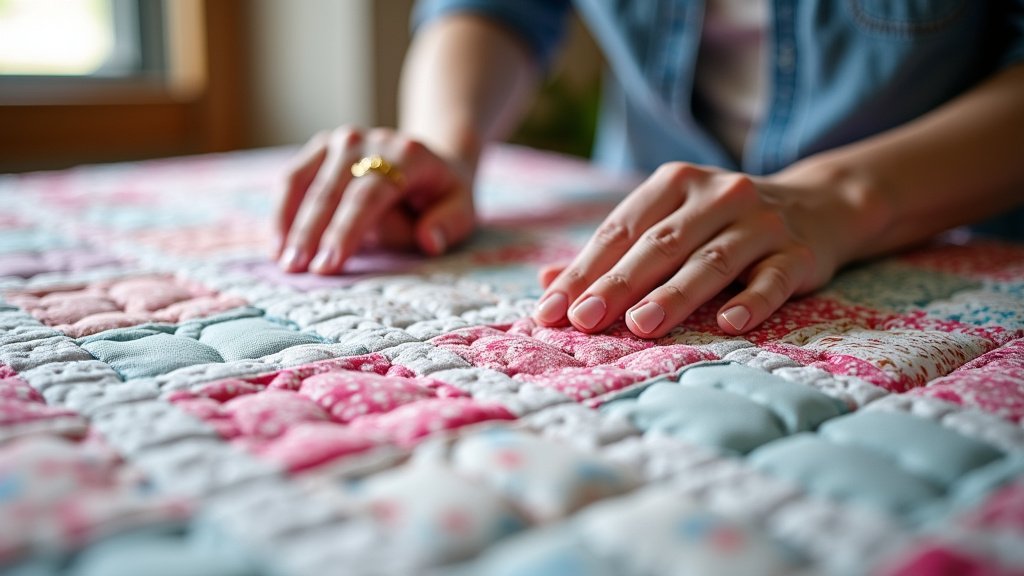
Essential Tools for Straight Stitch Quilting Success
While the straight stitch is simple, a few tools can make your quilting journey much smoother. Having the right accessories can boost your confidence and the quality of your finished quilt. You don’t need a huge arsenal, just a few key items.
The Power of a Walking Foot
We touched on this for stitch-in-the-ditch, but it bears repeating. A walking foot is a game-changer for quilting. It has feed dogs on top that move in sync with the feed dogs on your machine bed. This ensures all three layers of your quilt sandwich are fed through evenly. Without it, the backing fabric can get stretched or bunched up. This leads to puckers and uneven quilting. A walking foot helps your straight stitch lay smoothly on your quilt. It reduces stress on your seams. It’s a must-have for straight-line quilting, whether you’re quilting in the ditch or straight across your quilt. Many sewing machine brands offer walking feet. Make sure you get one compatible with your machine model.
The 1/4 Inch Quilting Foot Advantage
As mentioned earlier, a 1/4 inch foot is invaluable for piecing. It has a precise distance from the needle to the edge. This helps you maintain that crucial 1/4 inch seam allowance. Many machines come with a generic presser foot. However, a dedicated quilting foot often has a wider opening. This can be helpful for thicker fabrics or when using a walking foot. For precise piecing, the 1/4 inch foot is hard to beat. It ensures your points match up. It contributes to a flat, well-constructed quilt top. It makes a noticeable difference in the final outcome of your blocks.
Needles and Thread: Quality Matters
Don’t underestimate the power of good quality needles and thread. For straight stitch quilting, using the correct needle type and size is important. As we discussed, universal needles are good, but quilting needles are even better for the quilting process. They are designed to handle multiple layers. They also have a sharper point to prevent snagging. When it comes to thread, 100% cotton thread is a popular choice for quilters. It has a lovely matte finish. It behaves well under the needle. For piecing, a 50wt thread is standard. For quilting, you can use 40wt or 30wt thread for a more visible stitch line. Always use a thread designed for machine sewing. Craft thread or embroidery floss is generally not suitable for construction seams.
Checklist for Straight Stitch Quilting Readiness
- Ensure your sewing machine is in good working order.
- Have a variety of quality sewing machine needles on hand (universal, quilting).
- Stock up on good cotton or cotton-blend thread in various weights.
- Invest in a walking foot for your machine.
- Get a 1/4 inch quilting presser foot.
- Practice your straight stitch on scrap fabric to find your preferred stitch length and tension.
With these tools and a little practice, you’ll be quilting beautiful projects using just your straight stitch. It’s a testament to the versatility of basic sewing machine functions. You don’t need all the bells and whistles to be a successful quilter.
Conclusion
You’ve learned that your sewing machine’s straight stitch is far more capable than you might have imagined. It’s your essential tool for both piecing together quilt blocks with precision and quilting through all the layers. You don’t need fancy stitches to create beautiful, durable quilts. Focus on mastering your straight stitch, choosing the right tools like a walking foot and a 1/4 inch foot, and using quality needles and thread. It’s time to put your knowledge into practice. Grab your fabric scraps and start quilting with confidence using just your straight stitch!
Frequently Asked Questions
Can I quilt a whole quilt using only a straight stitch?
Yes, you absolutely can quilt an entire quilt with just a straight stitch. This includes piecing your quilt top together and then stitching through all three layers (top, batting, backing). Techniques like stitch-in-the-ditch are perfect for this.
What stitch length should I use for straight stitch quilting?
For piecing, a stitch length between 1.8mm and 2.5mm is generally recommended for strength. When quilting through all the layers, a slightly longer stitch, around 2.5mm to 3.0mm, can help prevent tearing the fabric.
Do I need a special sewing machine to quilt with a straight stitch only?
No, you don’t need a special machine. Any standard sewing machine with a reliable straight stitch function is sufficient for quilting. Basic models are often excellent for this purpose.
Will my straight stitch quilting be strong enough for a quilt?
Absolutely. When using good quality thread and the correct stitch length, your straight stitch seams will be very strong. The consistent, short stitches create a durable bond that holds your quilt layers together securely.
How do I prevent my quilt from puckering when quilting with a straight stitch?
To prevent puckering, use a walking foot. This essential tool feeds all layers of your quilt sandwich evenly under the needle, preventing the fabric from shifting or bunching up as you stitch.
