
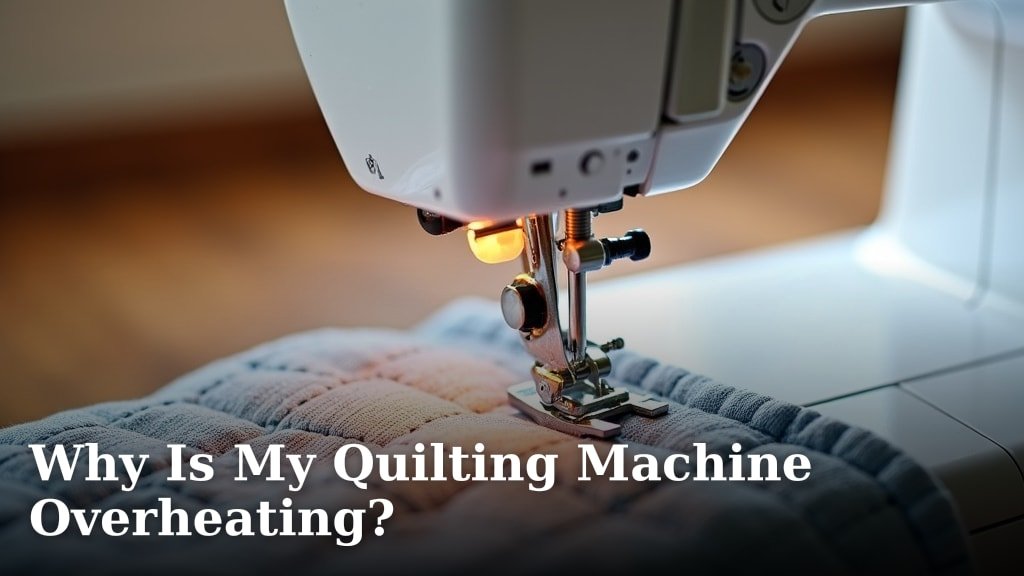
Your quilting machine is overheating primarily because of excessive friction, a dirty motor or fan, or prolonged use without breaks. These issues cause the internal components to work harder, generating more heat than the machine can handle.
You might notice your machine feeling hot to the touch, smelling faintly burnt, or even slowing down its stitching. These are common signs that your machine is struggling to keep cool, and it’s essential to address them quickly to prevent more serious damage. We’ve found that proper maintenance and recognizing these early warning signs are key.
- Friction from dry or worn parts.
- Dust and lint clogging the motor and fan.
- Long quilting sessions without cooling breaks.
- Overloading the machine with thick fabrics.
- Using the wrong needle or thread tension.
Don’t worry, we’re here to help you understand why this happens and what you can do about it. Let’s walk through the most common reasons your quilting machine might be getting too hot and how to fix them.
Understanding Why Your Quilting Machine Gets Hot
Your quilting machine generates heat as it works. A little warmth is normal. But when it gets too hot, it signals a problem. This heat often comes from friction or overworked components. Think of it like your car engine: it runs warm, but overheating means trouble. We want to catch these signs early.
Friction: The Silent Heat Generator
Friction is a major culprit for overheating. When metal parts rub together without enough lubrication, they create heat. This is especially true for machines with many moving parts. Your quilting machine is a prime example. Regular maintenance helps keep this friction at bay.
Lack of Lubrication
Are you oiling your machine regularly? If not, this could be the issue. Moving parts need a thin film of oil to glide smoothly. Without it, they grind against each other. This grinding causes Learning how to oil a sewing machine properly can prevent excessive friction and heat buildup.excessive friction and heat buildup. We recommend checking your machine’s manual for oiling frequency. Many machines need oiling every 4-8 hours of use.
Worn or Damaged Parts
Over time, parts wear down. Gears can become rough, and shafts can develop grooves. These imperfections increase friction. A worn bobbin case, for instance, can rub harder against its housing. This generates heat and can even affect stitch quality. We’ve found that regular inspections can help you catch these issues. Look for any unusual wear or loose components.
Dust and Lint: The Insulating Blanket
Quilting creates a lot of lint. This lint can settle inside your machine, acting like an insulating blanket. It traps heat and prevents your machine from cooling down properly. This is a common and often overlooked problem. We encourage you to clean your machine regularly. Our guide on how to clean your quilting machine provides step-by-step instructions to keep your machine lint-free and running smoothly.
Clogged Motor and Fan
Your machine’s motor generates heat during operation. A small fan often helps cool it down. If lint and dust clog this fan, it can’t do its job. The motor then retains more heat, leading to overheating. This can shorten the motor’s lifespan. Keeping the motor area clean is essential for proper ventilation.
Lint Buildup in Moving Parts
Beyond the motor, lint can accumulate in other moving parts. It can jam gears, restrict the needle bar, or clog the bobbin area. This forces the machine to work harder. The increased effort creates more heat. Regular dusting and vacuuming are your best defense here. Think of it as giving your machine a breath of fresh air.
Prolonged Use: Overworking Your Machine
We all love long quilting sessions. But your machine needs breaks, just like you do. Continuous use can push its cooling system beyond its limits. This is particularly true for heavy-duty projects. It’s about respecting your machine’s limits.
No Cooling Breaks
Imagine running a marathon without water breaks. Your body would overheat. Your quilting machine is similar. Long periods of uninterrupted stitching don’t allow heat to dissipate. The internal temperature keeps rising. We recommend taking a 15-minute break every hour or two. This gives your machine a chance to cool down naturally.
Overloading the Machine
Are you quilting through thick layers? Or using dense fabrics like canvas or multiple layers of batting? This makes your machine work harder. It strains the motor and other components. This increased effort generates more heat. Using the right needle and setting appropriate tension can help, but sometimes, the fabric is just too much. Consider whether your machine is truly designed for such heavy-duty tasks. Pushing it too hard can lead to premature wear and overheating.
Incorrect Settings and Components
Sometimes, the problem isn’t just about cleaning or oiling. Using the wrong tools or settings can also cause issues. This might seem minor, but these details matter. They affect how smoothly your machine operates.
Wrong Needle or Thread
Using a needle that’s too small for your fabric creates resistance. The needle struggles to penetrate, forcing the motor to work harder. Similarly, a thread that’s too thick can also increase drag. This added effort translates directly into heat. We suggest always matching your needle size and thread weight to your fabric type. This helps your machine glide through materials with less strain.
Incorrect Thread Tension
Improper thread tension can also lead to overheating. If the tension is too tight, the threads don’t flow smoothly. This creates resistance in the take-up lever and bobbin area. The machine has to pull harder to form stitches. This extra work generates heat. Adjusting your tension to the recommended settings for your fabric and thread is a simple fix that can make a big difference. Balanced tension is key for smooth operation (Bernina International AG).
Electrical and Mechanical Issues
Sometimes, the overheating points to a deeper issue. These might require professional attention. But it’s good to know what to look for. Identifying these early can save you from bigger repairs down the line.
Motor Problems
An aging or failing motor can run hotter than usual. If your machine is older, the motor might be losing efficiency. It works harder to achieve the same results. You might also notice a burning smell, which is a significant warning sign. If you suspect a motor issue, it’s best to have a qualified technician examine it. Trying to fix it yourself could void warranties or cause more damage.
Bearing Wear
Bearings allow shafts to rotate smoothly. If these bearings wear out, they create friction. This friction generates heat and can produce grinding noises. Worn bearings make the machine’s moving parts stiff. This forces the motor to work harder, leading to overheating. While less common, it’s a possibility, especially in older machines. This is another issue often best handled by a professional repair service.
A Quick Checklist to Prevent Overheating
Here’s a simple checklist to help you keep your quilting machine cool and happy:
- Oil your machine regularly as per the manual.
- Clean out lint and dust after every few quilting sessions.
- Take frequent breaks during long quilting projects.
- Use the correct needle and thread for your fabric.
- Ensure your thread tension is properly adjusted.
- Avoid pushing your machine through overly thick materials.
Comparing Common Overheating Causes and Solutions
To help you quickly diagnose and address the issue, we’ve created a table summarizing the main causes and what you can do. This can be a helpful guide when you feel your machine getting too warm.
| Cause of Overheating | Why It Happens | What You Can Do |
|---|---|---|
| Lack of Oil/Lubrication | Parts rub together, creating friction. | Oil moving parts regularly (check manual). |
| Lint & Dust Buildup | Insulates components, clogs fan. | Clean machine frequently with brush/vacuum. |
| Prolonged Use | Machine doesn’t get time to cool down. | Take 15-minute breaks every 1-2 hours. |
| Wrong Needle/Thread | Increases resistance, strains motor. | Match needle/thread to fabric type. |
| Tight Thread Tension | Causes drag and extra work for machine. | Adjust tension to recommended settings. |
| Overloading Fabric | Forces machine to work much harder. | Avoid excessively thick layers or fabrics. |
Conclusion
Keeping your quilting machine running smoothly is all about understanding its needs. By addressing issues like friction, lint buildup, and prolonged use, you can prevent overheating and extend your machine’s life. We’ve seen that a little proactive care goes a long way. Regularly oiling, cleaning, and taking breaks are simple habits that make a big difference. If you’re experiencing persistent heat, don’t hesitate to consult your machine’s manual or a qualified technician for further guidance.
Frequently Asked Questions
How often should I clean my quilting machine to prevent overheating?
We recommend a light cleaning after every few quilting sessions, especially if you see lint accumulating. A more thorough cleaning, including the motor area, should happen monthly or every 20-30 hours of use to keep airflow clear and prevent heat traps.
Can using cheap thread cause my machine to overheat?
Yes, cheap or low-quality thread can contribute to overheating. It often creates more lint, which can clog parts, and it might not glide smoothly, forcing your machine to work harder. Invest in good quality thread for smoother operation and less strain on your motor.
Is it normal for my machine to feel warm after an hour of quilting?
A slight warmth is generally normal, as the motor generates heat during operation. However, if it feels uncomfortably hot to the touch, smells burnt, or causes a noticeable drop in performance, then it’s overheating and needs attention.
What’s the best way to cool down my machine if it’s getting hot?
The best way is to simply turn it off and let it rest. A 15-30 minute break allows internal components to cool naturally. You can also lightly clean any visible lint to improve airflow around the motor and fan while it cools.
Will putting a fan on my machine help prevent overheating?
While a small external fan might offer some minor relief, it’s not a substitute for proper internal maintenance. Addressing the root causes like cleaning lint, oiling parts, or taking breaks is much more effective than relying on external cooling to prevent damage.
