
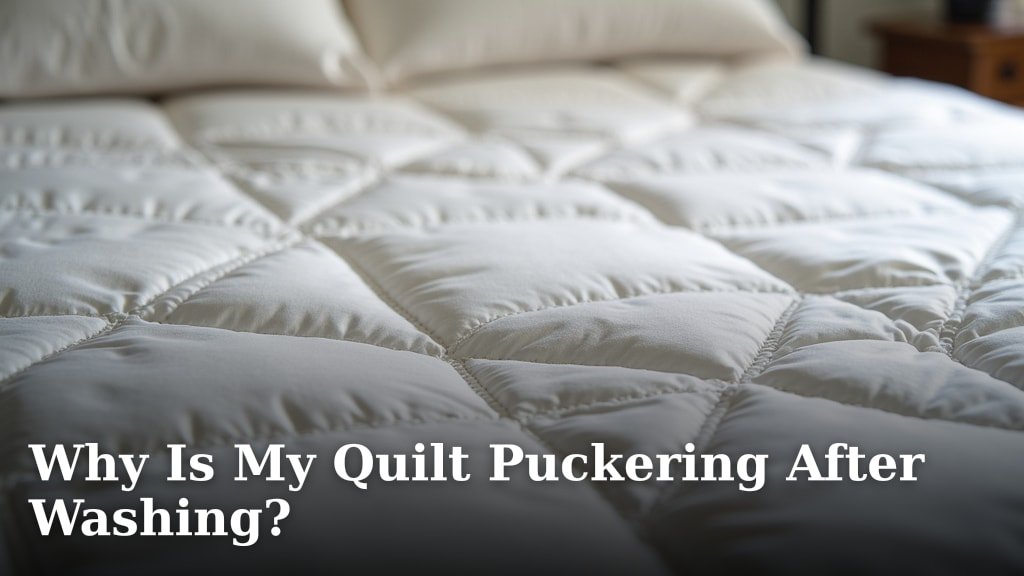
Your quilt is puckering after washing because of uneven shrinkage between the quilt top, batting, and backing materials. Different fabrics shrink at different rates when exposed to water and heat, causing the larger, less-shrunk fabric to ripple around the more-shrunk sections, creating that wavy, puckered look you’re seeing.
This common issue can happen with brand new quilts or older ones, especially if you didn’t pre-wash your fabrics. Factors like fabric type, thread tension, and even your washing machine settings all play a role in how much your quilt might pucker. It can be frustrating to see your beautiful quilt not lay flat.
TL;DR:
- Quilt puckering is often due to uneven fabric shrinkage.
- Unwashed fabrics can shrink differently.
- Heat and water cause this difference.
- Fabric type and thread tension also contribute.
Let’s dive into why your quilt is puckering and, more importantly, what you can do about it. We’ll also cover how to prevent this from happening in the future, so your next quilt stays perfectly smooth.
Understanding Why Your Quilt Isn’t Lying Flat
You’ve just washed your beautiful quilt, and instead of a smooth, comforting blanket, you find a crinkled, wavy mess. What happened? At its core, this puckering is a result of different materials shrinking at different rates. Think of it like a race where some runners are much faster than others.
When you wash and dry your quilt, the individual components—the quilt top fabric, the batting (the fluffy middle layer), and the backing fabric—all react to heat and water uniquely. Some materials might shrink a lot, others just a little, and some hardly at all. This uneven shrinkage creates tension, forcing the less-shrunk fabric to ripple and bunch around the more-shrunk areas. It’s a common issue, and you’re not alone in experiencing it. For more detailed guidance on this process, consider washing your quilted creation after machine quilting.
The Usual Suspects: Uneven Shrinkage Explained
Let’s break down how this uneven shrinkage plays out in your quilt. Each layer has its own personality when it comes to washing. You’ll notice this most with natural fibers versus synthetics.
Imagine your quilt as a three-layer sandwich. The bread on top and bottom (your quilt top and backing) and the filling (your batting). If one piece of bread shrinks dramatically and the other doesn’t, the sandwich will warp. That’s essentially what’s happening.
Fabric Type and Its Role in Shrinkage
The type of fabric you choose for your quilt top and backing is a big deal. Cotton, for example, loves to shrink. It’s a natural fiber that expands when wet and contracts as it dries. This can be a significant factor. Understanding the best fabric for quilting can help you choose materials that are less prone to shrinkage.
Synthetics like polyester, on the other hand, are much more stable. They tend to hold their shape better during washing. If you mix a cotton top with a polyester backing without pre-washing, you’re setting yourself up for a potential pucker party.
- Natural Fibers: Cotton, linen, rayon. These are prone to shrinkage, especially if not pre-washed.
- Synthetic Fibers: Polyester, nylon. These are generally more stable and shrink less.
- Blends: A mix can be unpredictable. The natural fiber content will dictate some shrinkage.
Batting: The Hidden Shrinker
The batting in the middle of your quilt also plays a crucial role. Batting comes in various materials, each with its own shrinkage rate. You might not see it directly, but it can pull your quilt out of shape.
Cotton batting, like cotton fabric, will shrink. Wool batting also has some shrinkage potential. Polyester batting, once again, is your more stable option. Always check the manufacturer’s recommendations for pre-washing batting, as some types benefit greatly from it.
We found that a common cause of puckering is when quilters use pre-shrunk batting with unwashed fabric. The batting is stable, but the fabric shrinks around it, creating those tell-tale ripples (National Quilting Association).
Beyond Fabric: Other Factors Leading to Puckering
While uneven shrinkage is the lead singer in the band of pucker, there are other instruments playing along. These can make the problem worse or even initiate it on their own.
It’s like a chain reaction. One small issue can trigger another, and before you know it, your quilt is not quite what you expected. Let’s look at what else might be contributing.
Quilting Thread and Tension Issues
Believe it or not, the thread you use and how tightly you stitch can make a difference. If your quilting thread is made of a different fiber than your fabric and batting, it might shrink at a different rate too. This can pull on the fabric.
More commonly, uneven tension during quilting can cause problems. If your machine’s tension isn’t balanced, or if you’re pulling the fabric too much as you quilt, you can introduce subtle puckers even before washing. These become much more obvious after the first wash.
Washing and Drying Methods
How you treat your quilt in the laundry can either save it or seal its puckered fate. High heat is the enemy of stable fabrics and friend to shrinkage. Many experts say that hot water and high dryer heat are major contributors to quilt shrinkage (American Quilter’s Society).
It’s tempting to just toss it in like any other load, but a quilt is a labor of love. It needs a little more TLC. Think of it like a delicate garment; you wouldn’t blast a silk dress with high heat, would you?
| Washing/Drying Factor | Impact on Puckering | Recommendation |
|---|---|---|
| Hot Water | Increases fabric shrinkage, especially cotton. | Use cold or cool water only. |
| High Heat Dryer | Causes significant and often uneven shrinkage. | Air dry or use low/no heat setting. |
| Aggressive Agitation | Can distort stitches and fabric grain. | Gentle cycle, front-loader preferred. |
| Over-Drying | Makes fabrics brittle and more prone to damage/puckering. | Remove while slightly damp, or when dry to the touch. |
Not Pre-washing Your Fabrics
This is a big one, perhaps the biggest prevention step you can take. If you don’t pre-wash your fabrics and batting before piecing your quilt, you’re essentially letting the washing machine do the first shrinking for you. But it’s doing it unevenly.
When you wash your fabrics before cutting and sewing, they shrink to their maximum potential. This means when you assemble your quilt, all components are already in their “shrunk” state. So, when you wash the finished quilt, there’s much less surprise shrinkage to cause puckering.
What Can You Do If Your Quilt Has Already Puckered?
Okay, so the damage is done. Your quilt has puckered. Is all hope lost? Not necessarily! While you can’t magically un-shrink fabric, there are a few things you can try to improve the situation.
Think of it as damage control and trying to gently persuade the quilt back into a better shape. It won’t be perfect, but you might be able to make it look much better and feel softer.
Gentle Stretching and Reshaping
After washing, while your quilt is still damp, you can try to gently stretch and reshape it. Lay it flat on a clean surface, like a bed or a large table. Carefully pull at the edges and try to square it up.
This needs to be done with care, not brute force. You’re trying to coax the fabric, not tear the stitches. You’ll be surprised how much fabric will respond to a gentle hand and patience.
Ironing with Steam
A good old iron with plenty of steam can work wonders. Lay your quilt out flat and use a warm iron (check your fabric types first, especially if you have synthetics) with a steam setting. Press, don’t drag, the iron over the puckered areas.
The steam helps to relax the fibers, and the heat can encourage them to lie flatter. Just be mindful not to stretch the fabric out of shape as you iron. You’re aiming for a smooth, flat finish.
Embrace the “Crinkle”
Sometimes, the best solution is to embrace the unique character of your quilt. Many quilters actually love the “crinkly” look that comes from a well-washed and dried quilt, especially with cotton batting.
This crinkle is often seen as a sign of a well-loved, handmade item. It adds texture and a cozy feel. If the puckering isn’t severe, you might find that you actually grow to appreciate this natural look. It’s a hallmark of a quilt that’s been used and enjoyed, not just displayed.
Preventing Puckering in Future Quilts: Your Checklist
Prevention is always easier than a cure, especially in quilting. By taking a few extra steps during your quilting process, you can significantly reduce the chances of your next quilt puckering.
Think of this as your “ounce of prevention” guide. It will save you headaches and heartbreak down the line. You’ve invested time and love into your quilt; let’s make sure it looks great for years to come.
- Pre-wash ALL fabrics: Wash and dry your quilt top, backing, and even some types of batting before cutting.
- Use consistent fabric types: Try to stick with similar fiber compositions (e.g., all cotton) for top and backing.
- Choose stable batting: Opt for low-shrinkage batting or pre-shrink cotton/wool batting.
- Check your tension: Ensure your sewing machine’s tension is balanced for all quilting stitches.
- Quilt sufficiently: Make sure your quilting lines are close enough together to hold all layers securely (check batting instructions for maximum spacing).
- Wash and dry gently: Use cold water, a gentle cycle, and air dry or tumble dry on low/no heat.
Conclusion
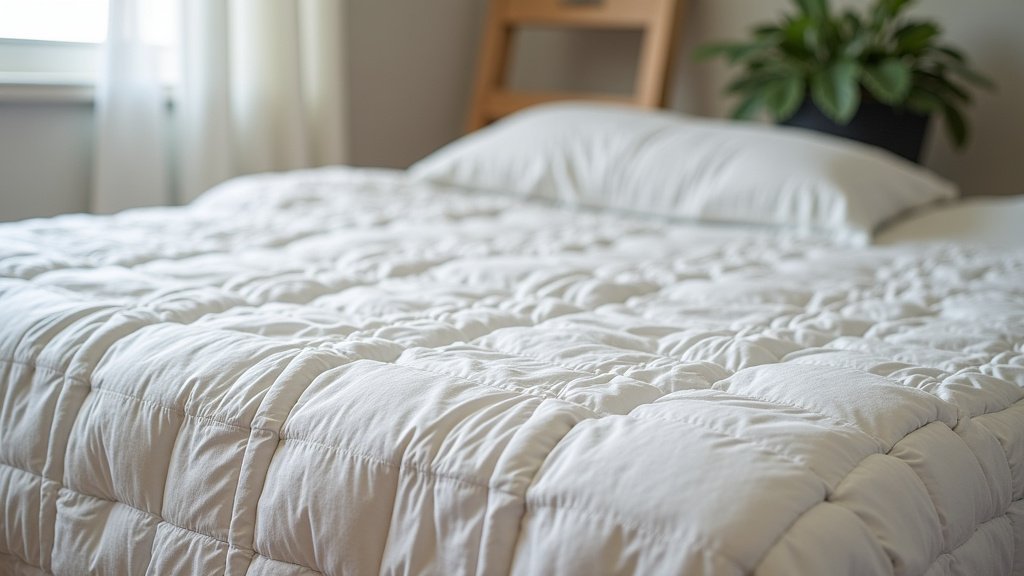
Understanding why your quilt puckers after washing boils down to uneven shrinkage and how you care for it. From differing fabric types to your washing machine settings, many elements play a role. But don’t despair if you’ve already noticed some puckering; gentle reshaping and steaming can often improve its appearance.
Moving forward, the best defense is a good offense. By pre-washing your fabrics, choosing consistent materials, and adopting gentle washing habits, you can ensure your next quilted masterpiece stays beautifully smooth. Your efforts will be well worth it for a quilt that lasts and retains its original charm.
Frequently Asked Questions
Can I prevent puckering if I don’t pre-wash my fabric?
While pre-washing is highly recommended, you can still minimize puckering by using all the same type of fabric (e.g., all cotton) and ensuring your batting is also either pre-shrunk or a stable, low-shrinkage type. Always wash and dry the finished quilt very gently in cold water and low heat.
Does quilt puckering affect the durability of the quilt?
Not usually. While puckering can affect the aesthetic and feel of your quilt, it typically doesn’t compromise its structural integrity or durability. It’s more of a cosmetic issue than a functional one, assuming your stitches remain intact.
Is it okay to embrace the “crinkly” look?
Absolutely! Many quilters intentionally aim for a “crinkly” or “antique” look, especially with cotton fabrics and batting. This texture adds a cozy, well-loved feel and can be a beautiful characteristic of a handmade quilt. It’s a personal preference!
What’s the best way to wash a finished quilt to avoid puckering?
For a finished quilt, always use a gentle cycle with cold water and a mild detergent. Avoid top-loading machines with agitators if possible, as they can be harsh. Air dry flat, or tumble dry on the lowest heat setting, removing the quilt while still slightly damp.
Will polyester batting help prevent quilt puckering?
Yes, polyester batting is generally more stable and shrinks less than natural fiber battings like cotton or wool. Using polyester batting can help reduce overall shrinkage and contribute to a flatter finished quilt, especially if paired with pre-washed fabrics.
