
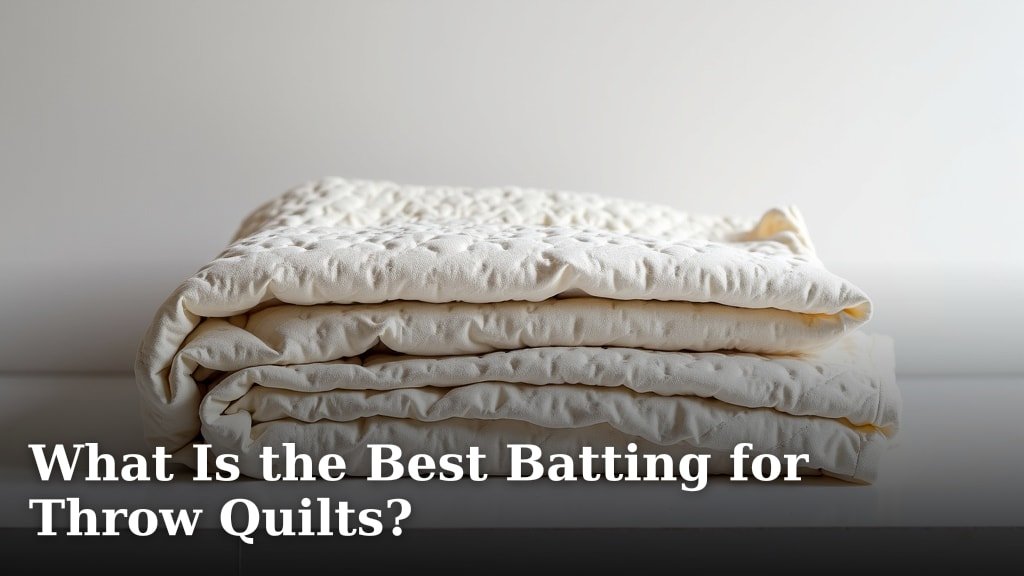
The best batting for throw quilts is typically a low-loft cotton or cotton blend. These types of batting are breathable, durable, and provide a nice drape for a cozy quilt. They also tend to be machine washable, which is a big plus for quilts that will get a lot of use.
When choosing batting, think about how your quilt will be used. A lower loft batting creates a flatter quilt that’s easier to quilt through by hand or machine. Higher loft batting gives a quilt a puffier, more traditional look. Many quilters find that a cotton-poly blend offers a good balance of softness, durability, and ease of care for everyday quilts.
- Cotton and cotton blends are best for most throw quilts.
- Low-loft batting offers a good drape and is easier to quilt.
- Consider how you’ll use the quilt to pick the right loft.
- Machine washable batting is a practical choice for everyday quilts.
- Cotton-poly blends offer a good mix of benefits.
Let’s break down what makes certain batting types the perfect match for your cozy creations.
“`htmlChoosing the Right Stuffing for Your Throw Quilt
So, you’re making a throw quilt – how exciting! Now comes the part that really gives your quilt its huggable quality: the batting. Think of it as the cozy heart of your creation. Selecting the correct batting can truly make or break the feel, the look, and even the longevity of your quilt.
The “best” batting isn’t a one-size-fits-all answer, but we can certainly help you find the perfect match for your needs. It often boils down to personal preference and how you plan to use and care for your quilt. We’ve researched a lot of options, and it seems there are a few clear winners for throw quilts.
Understanding Batting Types: The Fabric of Your Quilt’s Fill
Batting is the middle layer of your quilt sandwich. It’s what gives your quilt its puffiness and warmth. The materials used can vary widely, and each offers a different experience.
Cotton: The Traditional Favorite
Cotton batting has been a quilter’s friend for ages. It’s known for its breathability and natural feel. If you’re aiming for that classic quilt look and feel, cotton is a great place to start. It gets softer with every wash, developing that beloved crinkly texture over time.
When you wash a cotton quilt, it tends to shrink just a little. This shrinkage is what creates those lovely, soft wrinkles. Many quilters find this look incredibly appealing, especially for cozy, everyday throws. Research suggests cotton is also quite durable.
Pros of Cotton Batting
- Gets softer with washing.
- Offers good breathability.
- Develops a classic crinkly look.
- Natural fiber, feels great.
Considerations for Cotton Batting
Pure cotton batting can be a bit pricier than other options. It also tends to be thinner, which might not be ideal if you’re looking for a really thick, puffy quilt. If you’re machine quilting, pure cotton can be a bit more challenging to work with as it can be prone to shifting.
Polyester: The Versatile Performer
Polyester batting is incredibly versatile. It’s known for being lightweight yet warm. If you want a quilt that’s light enough to carry around easily but still keeps you toasty, polyester is a strong contender. It doesn’t shrink much, which is great if you prefer a flatter, smoother quilt finish. Polyester batting is known for being lightweight yet warm, making it a strong contender for cozy quilts.
Many experts point out that polyester batting is also quite resilient. It bounces back well, meaning your quilt will likely maintain its shape and loft over time. It’s also generally more affordable and easier to find than some other types.
Pros of Polyester Batting
- Lightweight and warm.
- Resistant to shrinking.
- Durable and retains its shape.
- Often more budget-friendly.
Considerations for Polyester Batting
Some quilters find that 100% polyester can feel a bit too “slippery” or artificial compared to natural fibers. While it’s warm, it might not be as breathable as cotton, which could be a factor if you live in a very warm climate or prefer quilts that don’t make you overheat easily.
Cotton-Polyester Blends: The Best of Both Worlds?
This is where things get really interesting for throw quilts. A blend of cotton and polyester tries to give you the best features of both materials. You get some of the softness and breathability of cotton, along with the durability and ease of care that polyester offers.
We found that these blends often have a lovely drape, meaning the quilt hangs nicely rather than feeling stiff. They also tend to be more forgiving for machine quilting. A common blend is 80% cotton and 20% polyester, but you’ll find many variations.
Pros of Cotton-Polyester Blends
- Balances softness and durability.
- Good drape for a comfortable feel.
- Easier to quilt with than 100% cotton.
- Resistant to excessive shrinking.
- Often machine washable and dryable.
Considerations for Cotton-Polyester Blends
The exact properties can depend on the ratio of cotton to polyester. You might lose a bit of that authentic cotton crinkle if the polyester content is high. However, for most everyday throw quilts, these blends hit a sweet spot.
Other Batting Materials to Consider
While cotton, polyester, and their blends are the most popular for throw quilts, you might encounter others. Bamboo batting is known for being soft and having a lovely sheen, and it’s also quite breathable. Wool batting offers excellent warmth without being too heavy, but it can be pricier and sometimes requires special care.
Some modern battings are made from specialty fibers or recycled materials. These can offer unique properties like being extra-light or having a very high loft. However, for a typical, cozy throw quilt, sticking to the more common options is usually a safe bet.
Loft: How Puffy Do You Want Your Quilt?
Loft refers to the thickness of the batting. This is a key factor in how your quilt will look and feel. For throw quilts, you generally want something that isn’t too thick.
Low-Loft Batting: The Everyday Favorite
Low-loft batting is typically thinner, often less than half an inch thick. This is what most quilters choose for throw quilts. Why? Because it provides a wonderful drape, making the quilt easy to snuggle under. It also makes quilting much easier, whether you’re doing it by hand or by machine.
A low-loft batting allows the quilting stitches to be more visible, which can be a beautiful design element. You don’t get that super-puffy look, but rather a more streamlined, modern appearance. Many experts recommend low-loft for quilts that will be used frequently.
Medium to High-Loft Batting: For a Puffy Statement
If you love that very plump, traditional quilt look, you might opt for a higher loft. These battings are thicker and create more volume. They can make the quilting stitches really pop, giving your quilt a wonderfully textured appearance.
However, keep in mind that high-loft batting can be heavier and warmer. It can also be more challenging to quilt through, especially on a domestic sewing machine. For a throw quilt meant for casual lounging, low or medium loft is usually the way to go.
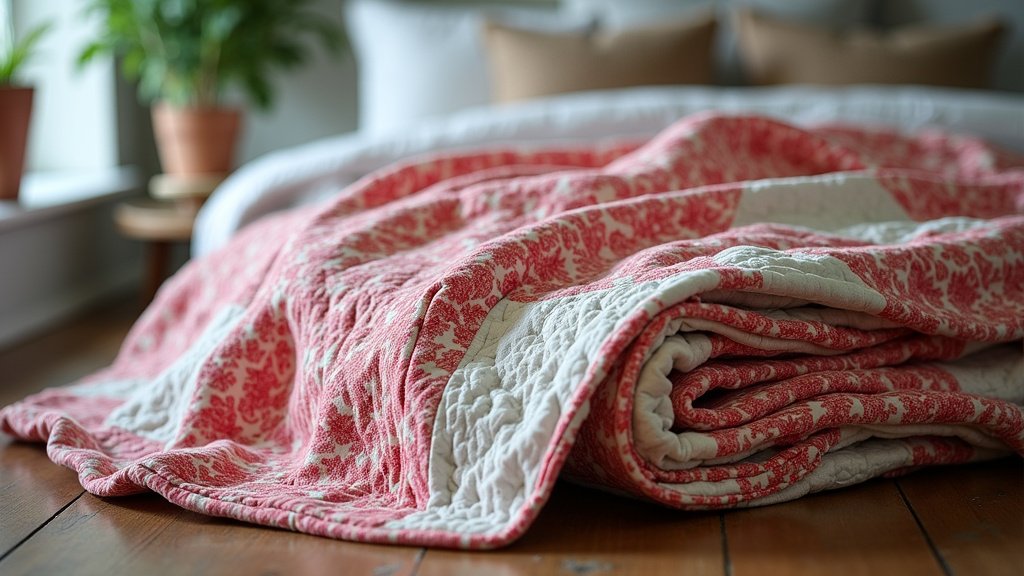
Key Factors to Consider for Your Throw Quilt Batting
To make your final decision, think about these important points:
- Intended Use: Will this be a couch potato quilt, a baby’s first quilt, or something you’ll display? Everyday use favors durability and washability.
- Quilting Method: If you’re machine quilting, especially free-motion, a slightly firmer, lower-loft batting can be easier to handle.
- Desired Look: Do you want a flat, modern quilt or a puffy, traditional one?
- Care Instructions: Most cotton blends are machine washable and dryable, which is a huge plus for throw quilts.
Batting Checklist for Your Next Throw Quilt Project
Here’s a quick way to think about what you need:
- Softness: Does it feel good to touch?
- Drape: Will it hang nicely?
- Warmth: Is it warm enough without being too hot?
- Durability: Will it hold up to use and washing?
- Ease of Quilting: Can you easily stitch through it?
- Washability: Can it go in the washing machine?
Choosing the right batting might seem like a small detail, but it truly impacts the final feel and function of your throw quilt. By understanding the different types and considering your own preferences, you can select a batting that will make your handmade quilt a cherished comfort for years to come.
“`Conclusion
Choosing the right batting is key to creating a throw quilt you’ll love. For most throw quilts, a low-loft cotton or cotton blend offers the best balance. These materials provide a lovely drape and are easier to work with for quilting. They also tend to be breathable and durable for everyday use. Consider how your quilt will be used and cared for to make your final choice. You’ve got this – your cozy quilt awaits!
Frequently Asked Questions
What is the easiest batting to quilt with for a beginner?
For beginners, a low-loft cotton-polyester blend is often recommended. It’s less likely to shift than 100% cotton and provides enough stability for machine quilting. It also doesn’t have the slippery feel some find with 100% polyester.
Will my throw quilt shrink if I use cotton batting?
Yes, 100% cotton batting tends to shrink slightly when washed, which creates that lovely, crinkly texture many quilters love. If you prefer a flatter finish, a cotton-polyester blend or 100% polyester batting will shrink much less.
How do I choose batting thickness for a throw quilt?
For a throw quilt, low-loft batting (less than 1/2 inch thick) is generally best. It gives your quilt a nice drape and makes it easier to stitch through, perfect for frequent use on the couch.
Can I use high-loft batting for a throw quilt?
You can, but high-loft batting will result in a much puffier, heavier quilt. While some love this look, it can be more challenging to quilt and might be warmer than desired for a casual throw. Low or medium loft is usually preferred for everyday throws.
What’s the difference between batting and wadding?
In quilting, the terms “batting” and “wadding” are often used interchangeably to refer to the fluffy middle layer of a quilt sandwich. They both serve the same purpose: providing warmth and loft.
