
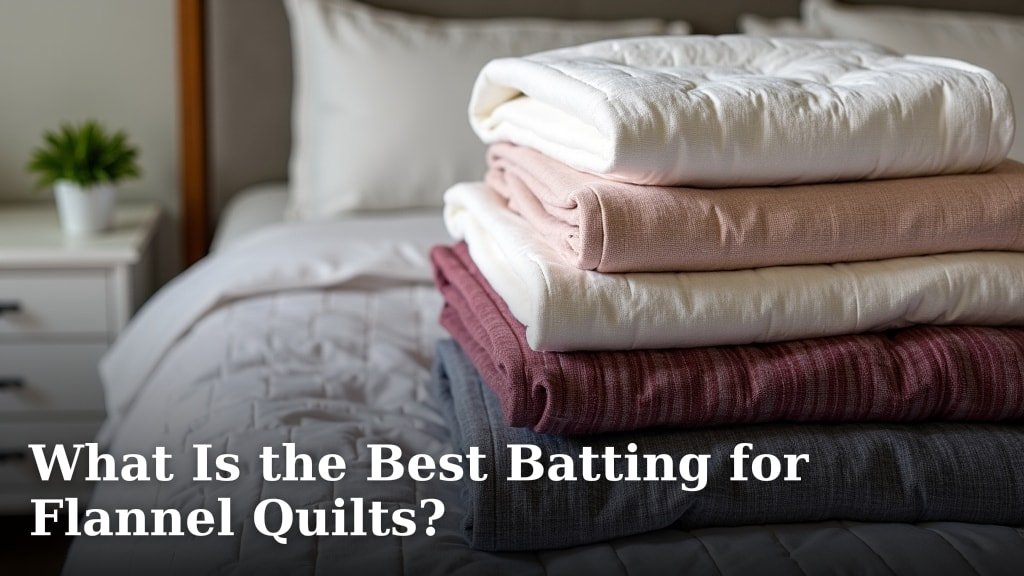
When choosing batting for your flannel quilts, the best option for a cozy, durable quilt is a cotton-poly blend. This batting type offers the perfect balance of warmth, breathability, and ease of care. You’ll love how it drapes beautifully and stands up to frequent washing, making your flannel quilt a lasting favorite.
Many quilters find that flannel’s natural warmth and softness pair exceptionally well with certain batting materials. We found that batting with a medium loft works wonders for flannel. It adds just enough puffiness without making the quilt too heavy. This helps your quilt maintain that inviting, snuggly feel that flannel is known for. It’s all about finding that perfect combination for ultimate comfort.
- The best batting for flannel quilts is a cotton-poly blend for warmth and durability.
- A medium loft batting is often recommended to avoid making the quilt too heavy.
- Cotton batting offers excellent breathability.
- Polyester batting provides lightweight warmth and is hypoallergenic.
- Consider the quilt’s intended use when selecting batting thickness.
Ready to find the perfect batting for your next flannel quilt project? Let’s dive into the details of what makes a batting the right choice for those wonderfully soft flannel fabrics.
Choosing the Right Batting for Your Flannel Quilts
Picking the perfect batting for your flannel quilt can feel like a big decision. You want that quilt to be super soft and warm. It also needs to hold up well over time. We’ve looked into what makes batting work best with cozy flannel fabrics.
You’re probably wondering what makes one batting better than another for flannel. It really comes down to the feel, warmth, and durability you’re aiming for. Flannel itself is soft and warm, so your batting needs to complement that. It shouldn’t make the quilt too heavy or too stiff. Let’s break down the options to help you make a great choice.
Understanding Batting Properties for Flannel
Batting is the fluffy layer sandwiched between your quilt top and backing fabric. Its main job is to add warmth and give the quilt its characteristic puffy texture. For flannel, which is already a warmer fabric, you need batting that balances this. You want comfort without overheating.
The Role of Loft in Flannel Quilting
Loft refers to the thickness of the batting. A high-loft batting is very thick and fluffy. A low-loft batting is thin and lies flatter. For flannel quilts, many quilters find a medium-loft batting is just right. This offers good warmth and a nice, soft puffiness. It prevents the quilt from becoming too heavy, which is especially important if you plan to snuggle under it often.
Think of it like choosing a comforter. You don’t want one so thick it feels like you’re buried under a cloud, but you also don’t want one that barely keeps the chill off. A medium loft provides that Goldilocks zone of comfort.
Breathability and Warmth: The Balancing Act
Flannel is known for trapping warmth. This is great for keeping you cozy! However, if your batting isn’t breathable, the quilt can feel stifling. You want a batting that allows some air to circulate. This makes the quilt comfortable in a wider range of temperatures. We found that certain natural fibers excel in this area.
The goal is to achieve a quilt that feels warm and inviting, not sweaty or clammy. This is where understanding different batting materials becomes key for your flannel projects.
Popular Batting Materials for Your Cozy Flannel Quilts
There are several types of batting available, each with its own set of advantages for flannel. We’ve researched the most common options to see how they perform.
Cotton Batting: The Breathable Choice
Cotton batting is a classic choice for quilters. It’s made from natural cotton fibers. One of its biggest strengths is its excellent breathability. This means your flannel quilt will feel warm without being stuffy. Cotton also drapes beautifully, giving your quilt a lovely, soft hang. After washing, cotton batting can become even softer, which is perfect for a well-loved flannel quilt.
However, 100% cotton batting can sometimes shrink when washed. This can be a desired effect, adding a slightly crinkled look to your quilt. If you prefer to minimize shrinkage, look for pre-washed cotton batting.
Polyester Batting: Lightweight Warmth and Durability
Polyester batting is made from synthetic fibers. It’s known for being lightweight yet very warm. This makes it a fantastic option if you want a snuggly quilt that doesn’t weigh you down. Polyester is also highly durable and resistant to mildew. Many people find polyester batting to be a good choice if they have allergies, as it’s often hypoallergenic.
A key benefit of polyester is its low shrinkage rate. This means your flannel quilt will retain its size and shape more consistently after washing. It also tends to have a nice loft, giving your quilt that plump, inviting appearance. We found that polyester batting is also very forgiving and easy to work with.
Cotton-Poly Blends: The Best of Both Worlds
As we mentioned in the intro, cotton-poly blends are often considered the ideal batting for flannel quilts. Why? Because they combine the best features of both cotton and polyester. You get the breathability and softness of cotton. You also get the durability, lightweight warmth, and low shrinkage of polyester. This blend offers a wonderful balance.
A common blend might be 80% cotton and 20% polyester. This ratio provides a great combination of properties. It’s easy to quilt through, drapes well, and is comfortable to sleep under. It’s a workhorse batting that handles frequent use and washing exceptionally well.
Other Batting Options to Consider
While cotton, polyester, and their blends are most common for flannel, you might see other options. Wool batting is wonderfully warm and breathable, but it can be more expensive and requires careful handling. Bamboo blends offer a silky feel and good drape, but they might not provide the same level of warmth as cotton or polyester.
For flannel, sticking with the more traditional cotton, polyester, or blend options usually gives you the most predictable and satisfying results. We found these are the most reliable for achieving that classic cozy flannel quilt feel.
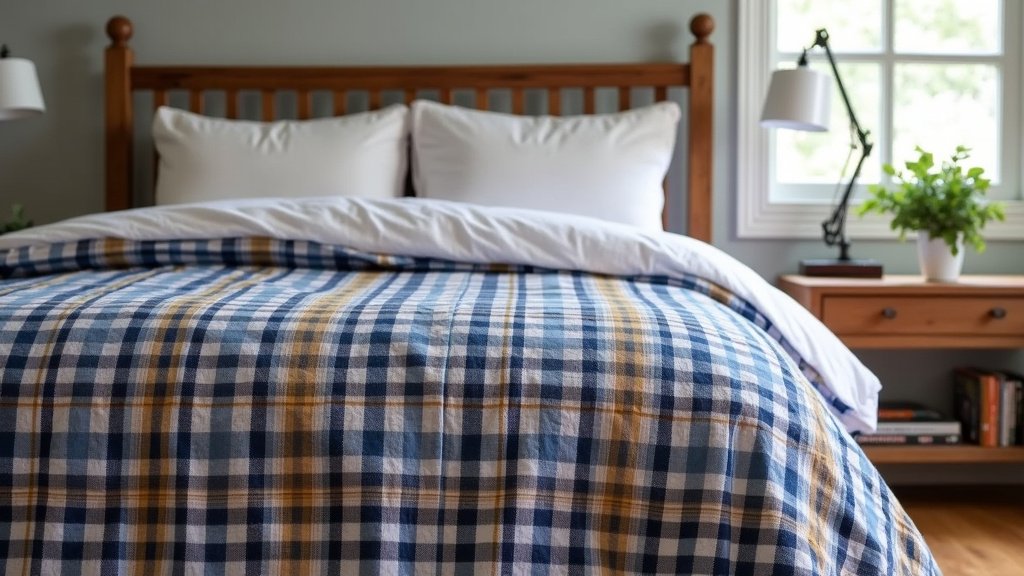
Factors to Consider When Selecting Your Flannel Quilt Batting
Beyond the material itself, a few other things will influence your choice. Thinking about these will help you narrow down your options even further.
Intended Use of the Quilt
Where will this flannel quilt live? Is it for a bed, a sofa throw, or a decorative wall hanging? If it’s for a bed, you’ll want batting that offers excellent warmth and comfort for sleeping. A thicker, medium-loft batting might be perfect.
If it’s a throw for the couch, you might prefer something a little lighter. This makes it easier to grab and drape over yourself. For a wall hanging, the focus might be more on drape and how the quilting stitches will show.
Quilting Method and Density
How do you plan to quilt your flannel project? If you’re hand-quilting, a thinner, lower-loft batting might be easier to work with. If you’re machine quilting, especially with dense stitching, a medium-loft batting often holds up better. It provides more structure to prevent the quilt from becoming overworked.
We found that batting with a good scrim (the material that holds the fibers together) is important for machine quilting. This prevents the batting from shifting or bearding (fibers poking through the fabric) during the quilting process.
Shrinkage Preferences
As we touched on, some batting materials shrink more than others. 100% cotton batting is known for its shrinkage. Many quilters embrace this for a vintage, crinkled look. If you want your quilt to maintain its exact size and shape, a polyester or a cotton-poly blend with a higher percentage of polyester is a better bet.
Pre-washing your batting is also an option. This can help control shrinkage. However, not all battings are meant to be pre-washed. Always check the manufacturer’s instructions before you start!
Making Your Final Batting Choice: A Quick Guide
To help you decide, let’s recap the key points. Think about these as you shop for your next flannel quilt project.
- For maximum warmth and a soft, crinkly look: Consider 100% cotton batting, but be prepared for shrinkage.
- For lightweight warmth and hypoallergenic properties: Polyester batting is a great choice.
- For the best all-around balance: A cotton-poly blend offers warmth, breathability, durability, and less shrinkage.
- For a fluffy, cozy feel without being too heavy: Aim for a medium-loft batting.
- If your quilt will be washed often: A durable polyester or blend will hold up best.
We believe that understanding these characteristics will help you select the batting that perfectly suits your flannel quilt. It’s all about creating that cozy, durable treasure you’ll love for years to come.
| Batting Material | Pros for Flannel | Cons for Flannel | Best For |
|---|---|---|---|
| 100% Cotton | Breathable, soft drape, gets softer with washing | Can shrink significantly, heavier when wet | Heirloom quilts, those wanting a crinkled look |
| 100% Polyester | Lightweight, warm, hypoallergenic, low shrinkage, durable | Can be too warm for some, may not drape as softly as cotton | Throws, baby quilts, allergy sufferers, high-use quilts |
| Cotton-Poly Blend | Balanced warmth & breathability, durable, moderate drape, low shrinkage | Less natural feel than 100% cotton for some | All-around excellent choice for most flannel quilts |
| Wool | Very warm, breathable, natural | Can be expensive, may require special care, potential for allergies | Winter quilts, high-end projects |
Your Flannel Quilt Batting Checklist
Before you buy, ask yourself these quick questions:
- Do I want a very warm quilt?
- How important is breathability to me?
- Do I want my quilt to shrink or stay the same size?
- Will I be hand or machine quilting?
- Is this quilt for a bed or a throw?
- Do I prefer a very lightweight or slightly heavier feel?
By considering these points, you’re well on your way to selecting the perfect batting. Happy quilting!
Conclusion
You’ve learned that the best batting for your flannel quilt is often a cotton-poly blend. This choice offers a fantastic balance of warmth, breathability, and durability. Remember that a medium-loft batting is generally recommended to achieve that perfect cozy feel without making your quilt too heavy. By considering your quilt’s intended use and your personal preferences for warmth and shrinkage, you’re ready to make an informed decision. Now go ahead and select the batting that will bring your next flannel quilt project to life!
Frequently Asked Questions
Will my flannel quilt shrink with certain battings?
Yes, 100% cotton batting is known to shrink when washed, which some quilters love for a crinkled look. If you want to minimize shrinkage, a polyester batting or a cotton-poly blend with a higher polyester content is your best bet. Always check the manufacturer’s instructions before pre-washing batting.
Is a low-loft batting okay for flannel quilts?
While medium-loft batting is often recommended, low-loft batting can work for flannel quilts, especially if you prefer a flatter quilt or are hand-quilting. It will provide less warmth and puffiness. Make sure it has a good scrim to prevent shifting during quilting and washing.
Can I use wool batting for a flannel quilt?
Wool batting is a warm and breathable option, and it can certainly be used for flannel quilts. However, it can be more expensive and may require special care. If you’re looking for a more budget-friendly and easier-to-care-for option, cotton-poly blends or polyester are excellent choices.
How does batting affect the drape of a flannel quilt?
The batting you choose significantly impacts how your quilt drapes. Cotton batting generally offers a beautiful, soft drape. Polyester batting can also drape well, especially blends. Higher loft battings will create a puffier look, which can affect the drape compared to a thinner, low-loft option.
What is the best batting for a flannel quilt that will be used a lot?
For a flannel quilt that will see a lot of use and frequent washing, a durable cotton-poly blend is often the ideal choice. These blends offer excellent resilience, resist wear and tear, and maintain their shape well over time, ensuring your quilt remains a favorite for years to come.
