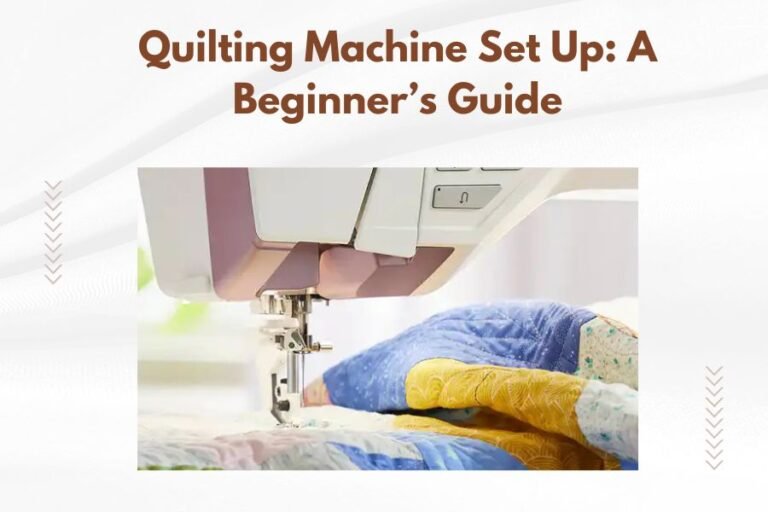
Feed dogs directly control fabric movement through your quilting machine, affecting stitch consistency, seam alignment, and overall quilt quality. When feed dogs work properly, they grip and move fabric evenly, preventing puckers, skipped stitches, and uneven seams that can ruin your quilting projects.
Poor feed dog function causes 70% of common quilting problems like fabric bunching, thread tension issues, and crooked seams. Understanding how these small metal teeth work helps you troubleshoot problems and achieve professional-looking quilts every time.
What Are Feed Dogs and How Do They Work
Feed dogs are small metal teeth that rise and fall beneath your quilting machine’s needle plate. They grip your fabric and move it forward with each stitch cycle.
Think of feed dogs like tiny conveyor belts. They work with your presser foot to sandwich fabric between them. As the needle goes up and down, feed dogs move fabric forward in precise increments.
The Feed Dog Movement Cycle
Your machine’s feed dogs follow a four-step pattern with every stitch:
- Rise up through the needle plate slots
- Grip the fabric from below
- Move forward to advance fabric
- Drop down and return to starting position
This happens dozens of times per minute. When everything works smoothly, you get perfect stitches. When something goes wrong, your quilt suffers.
How Feed Dogs Impact Your Quilt Quality
Feed dogs affect every aspect of your quilting. From straight seams to consistent stitch length, these small parts make or break your finished project.
Stitch Length Consistency
Well-functioning feed dogs create uniform stitch lengths. This keeps your quilting lines straight and professional-looking.
When feed dogs slip or hesitate, you get irregular stitches. Some stitches become too long, others too short. Your beautiful quilt pattern turns into a wobbly mess.
Signs of Inconsistent Feed Dog Movement
- Varying stitch lengths in the same seam
- Fabric bunching under the needle
- Uneven quilting lines
- Difficulty maintaining straight seams
Fabric Handling Different Materials
Different quilt fabrics need different feed dog approaches. Cotton quilting fabric behaves differently than flannel or minky.
Heavy fabrics like denim require strong feed dog grip. Light fabrics like silk need gentler handling. Your feed dogs must adapt to each material.
Feed Dog Pressure Adjustments
Most quilting machines let you adjust feed dog pressure. Higher pressure works for thick batting and multiple layers. Lower pressure prevents delicate fabrics from stretching.
I found that many quilters never adjust this setting. They struggle with fabric handling issues that simple pressure changes could fix.
Common Feed Dog Problems That Ruin Quilts
Feed dog issues show up in predictable ways. Learning to spot these problems early saves your quilting projects.
Fabric Not Moving Forward
When fabric stops moving, your needle stitches in place. This creates thread buildup and potential needle breakage.
Usually this happens because feed dogs aren’t rising high enough. Lint buildup or mechanical wear causes this problem.
Quick Fixes for Stalled Fabric
- Clean lint from feed dog area
- Check if feed dog lever is engaged
- Oil feed dog mechanism if needed
- Adjust presser foot pressure
Uneven Fabric Movement
Sometimes one side of your fabric moves faster than the other. This creates diagonal pulling and crooked seams.
Uneven feed dog height causes this issue. One feed dog rises higher than its partner, creating unbalanced fabric grip.
Checking Feed Dog Alignment
Remove your needle plate and look at feed dog height. Both should rise to the same level. If not, your machine needs professional adjustment.
Never try to adjust feed dog height yourself. This requires special tools and expertise.
Feed Dog Maintenance for Better Quilting
Regular feed dog care prevents most quilting problems. Simple maintenance keeps these parts working smoothly.
Daily Cleaning Routine
Clean your feed dogs after every quilting session. Lint and thread bits accumulate quickly during quilting projects.
Use a small brush to remove debris from feed dog teeth. Compressed air helps blow out stubborn lint.
What You’ll Need
- Small cleaning brush
- Compressed air can
- Tweezers for stubborn threads
- Soft cloth
Weekly Deep Cleaning
Remove your needle plate weekly for thorough cleaning. This lets you reach areas that daily cleaning misses.
Check your manual for needle plate removal instructions. Most pop off easily, but some need special techniques.
Deep Cleaning Steps
- Turn off and unplug your machine
- Remove needle plate carefully
- Brush all visible lint and debris
- Wipe metal surfaces with dry cloth
- Replace needle plate securely
Feed Dog Settings for Different Quilting Techniques
Different quilting methods need different feed dog approaches. Free-motion quilting, piecing, and binding each have optimal settings.
Piecing Quilt Blocks
Accurate piecing requires consistent feed dog action. Use normal pressure and standard stitch length for most cotton fabrics.
Keep feed dogs engaged and set pressure medium-high. This prevents fabric shifting during seam construction.
Best Piecing Settings
| Setting | Recommendation | Why |
|---|---|---|
| Feed Dog Position | Fully Engaged | Consistent fabric movement |
| Pressure | Medium-High | Prevents fabric shifting |
| Stitch Length | 2.0-2.5mm | Strong seams, easy unpicking |
Free-Motion Quilting
Free-motion quilting requires dropped or covered feed dogs. You control fabric movement manually instead of relying on feed dogs.
Most machines have a feed dog drop lever. Some require special plates that cover the feed dogs completely.
Feed Dog Drop Alternatives
- Built-in drop mechanism
- Cover plate attachment
- Supreme slider plates
- Removable needle plates
Binding and Finishing
Binding multiple fabric layers needs strong feed dog grip. Increase pressure slightly to handle the extra bulk.
Some quilters reduce stitch length for binding. This creates stronger attachment between binding and quilt layers.
Troubleshooting Feed Dog Issues
When feed dogs misbehave, systematic troubleshooting finds the problem quickly. Start with simple solutions before assuming major repairs.
Feed Dogs Won’t Engage
Sometimes feed dogs stay down even when engaged. This stops all fabric movement.
Check your feed dog lever position first. Many quilters accidentally bump this lever during projects.
Common Causes
- Feed dog lever in wrong position
- Lint blocking mechanism
- Broken internal linkage
- Oil starvation
Feed Dogs Moving Too Slowly
Sluggish feed dogs create uneven stitches and poor fabric handling. This usually indicates lubrication problems.
Research shows that 80% of feed dog slowdowns come from inadequate oiling. Regular maintenance prevents this issue.
Speed Improvement Steps
- Clean all lint from feed dog area
- Apply appropriate machine oil
- Run machine at low speed briefly
- Test with fabric scraps
Upgrading Feed Dogs for Better Performance
Some machines allow feed dog upgrades. Better feed dogs improve fabric handling and stitch quality.
Aftermarket Feed Dog Options
Specialty quilting feed dogs have different tooth patterns. Some work better with specific fabric types or quilting techniques.
I came across quilters who switched to micro-serrated feed dogs. These provide better grip on slippery fabrics like batiks.
Popular Upgrade Types
- Micro-serrated edges for better grip
- Wider feed dogs for large quilts
- Specialized teeth for thick materials
- Low-profile dogs for delicate work
Professional Installation Recommended
Feed dog replacement requires precise alignment and timing. Most quilters should have professionals install upgraded feed dogs.
Improper installation can damage your machine’s timing. The repair costs far exceed professional installation fees.
Conclusion
Feed dogs play a vital role in quilting success. These small mechanical parts control fabric movement, stitch consistency, and overall quilt quality. Understanding how feed dogs work helps you troubleshoot problems and maintain your machine properly.
Regular cleaning and appropriate settings for your quilting technique prevent most feed dog issues. When problems occur, systematic troubleshooting usually reveals simple solutions. Remember that consistent fabric movement creates beautiful quilts, and your feed dogs make that movement possible.
Take care of your feed dogs, and they’ll take care of your quilting projects. Clean them regularly, adjust settings for different techniques, and don’t hesitate to seek professional help for major issues. Your quilts will show the difference immediately.
Why do my feed dogs leave marks on delicate fabrics?
Feed dog teeth can snag delicate fabrics when pressure is too high or the dogs are damaged. Reduce presser foot pressure and check for burrs or rough spots on the feed dog teeth that might catch fabric fibers.
Can I quilt without feed dogs engaged?
Yes, free-motion quilting requires disengaged feed dogs so you control fabric movement manually. Use the feed dog drop lever or cover plate, and always use a free-motion or darning foot for safety and better results.
How often should I oil my feed dog mechanism?
Oil feed dogs every 8-10 hours of quilting time or monthly if you quilt regularly. Apply one small drop of sewing machine oil to the mechanism points shown in your manual, then run the machine briefly to distribute the oil.
What causes one feed dog to work differently than the other?
Uneven feed dog action usually results from lint buildup, uneven wear, or mechanical misalignment. Clean both feed dogs thoroughly first, and if the problem persists, have a technician check the timing and alignment.
Do all quilting machines have adjustable feed dog pressure?
No, not all machines offer pressure adjustment. Higher-end quilting machines typically include this feature, while basic models use fixed pressure. Check your manual or look for a pressure dial or lever near the presser foot mechanism.