
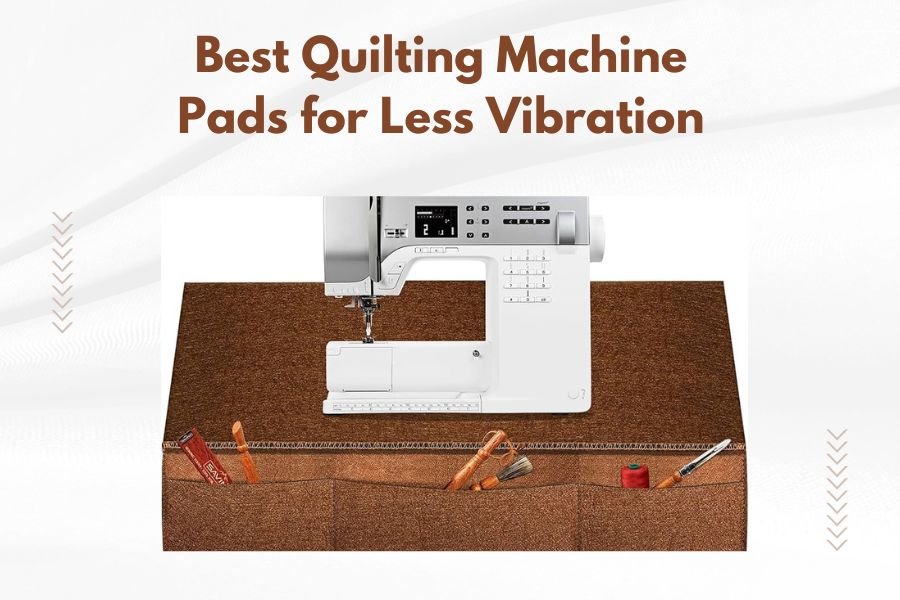
The best quilting machine pads for less vibration are foam pads, rubber mats, and specialized anti-vibration platforms that absorb machine movement and reduce noise.
These pads work by creating a barrier between your quilting machine and work surface, preventing vibrations from transferring through floors and tables.
Why Your Quilting Machine Vibrates So Much
Your quilting machine shakes because it’s a powerful piece of equipment. The motor runs at high speeds. The needle punches through fabric thousands of times per minute. All that movement creates vibration.
Think of it like a washing machine on spin cycle. Without proper support, the vibration travels everywhere. It goes through your table, across the floor, and into nearby rooms.
This vibration causes three main problems. First, it makes your stitching less accurate. Second, it creates annoying noise. Third, it can damage your machine over time.
Types of Anti-Vibration Pads for Quilting Machines
Foam Padding Solutions
Foam pads are the most popular choice for quilters. They’re affordable and easy to find. High-density foam works best because it doesn’t compress too much under weight.
You can buy pre-cut foam squares or cut your own from larger sheets. Most quilters use foam that’s 1 to 2 inches thick. Thicker isn’t always better – you want stability, not a bouncy surface.
Closed-Cell vs Open-Cell Foam
Closed-cell foam is better for vibration control. It’s denser and more durable. Open-cell foam is softer but breaks down faster under heavy machines.
Rubber Mat Options
Rubber mats offer excellent vibration dampening. They’re heavier than foam, which helps them stay in place. Many quilters prefer rubber because it lasts longer than foam.
Look for mats that are at least 1/4 inch thick. Thinner mats don’t absorb enough vibration. Textured surfaces grip better than smooth ones.
Recycled Rubber vs New Rubber
Recycled rubber costs less but may have an odor at first. New rubber costs more but smells neutral. Both work equally well for vibration control.
Specialized Anti-Vibration Platforms
These are purpose-built platforms designed for heavy equipment. They combine multiple materials like rubber, foam, and metal springs. They cost more but provide the best vibration control.
Some platforms adjust to different machine weights. Others come in modular pieces you can arrange as needed.
How to Choose the Right Size Pad
Your pad should be larger than your machine’s base. I found that adding 2-4 inches on each side works well. This gives you a stable platform even if your machine shifts slightly during use.
Measure your machine’s footprint first. Include any parts that extend beyond the main body. Don’t forget about the power cord and other connections.
Weight Considerations
Heavier machines need thicker, denser pads. Lightweight machines can use thinner options. A 50-pound machine needs different support than a 15-pound model.
Check your machine’s weight in the manual. If you can’t find it, most manufacturers list specifications online.
Installation Tips for Maximum Effectiveness
Surface Preparation
Clean your work surface before placing the pad. Dust and debris can create uneven spots that reduce effectiveness. Make sure the surface is level.
If your table has a glossy finish, the pad might slide around. Consider adding grip strips or choosing a textured pad.
Proper Placement
Center your machine on the pad. Don’t let any part of the machine base touch the table directly. This defeats the purpose of the vibration pad.
Leave space around the edges for air circulation. Some machines need ventilation underneath to stay cool.
Multiple Pad Setup
For very large machines, you might need multiple smaller pads. Arrange them so each corner of your machine sits on padding. Avoid gaps between pads where possible.
Budget-Friendly DIY Options
You don’t need expensive commercial products. Many household items work as vibration pads. Here are some options I found through research and quilter recommendations.
Yoga Mats
Thick yoga mats make excellent machine pads. They’re designed to stay in place and absorb impact. Choose mats that are at least 1/2 inch thick.
Cut the mat to size with sharp scissors or a utility knife. Clean cuts look better and won’t fray over time.
Moving Blankets
Folded moving blankets create good vibration dampening. Use 2-3 layers for best results. The fabric surface helps prevent slipping.
This option works well if you need to move your setup frequently. Just fold up the blanket when done.
Carpet Padding
Carpet padding foam is cheap and effective. Buy it by the square foot at most home improvement stores. Choose medium-density padding for best results.
Comparing Different Materials
| Material | Vibration Control | Durability | Cost | Noise Reduction |
|---|---|---|---|---|
| High-Density Foam | Good | Medium | Low | Excellent |
| Rubber Mat | Excellent | High | Medium | Good |
| Commercial Platform | Excellent | High | High | Excellent |
| Yoga Mat | Good | Medium | Low | Good |
Common Mistakes to Avoid
Using Pads That Are Too Soft
Super-soft materials create an unstable work surface. Your machine might rock or bounce during operation. This makes precise quilting difficult.
Aim for materials that compress slightly under weight but still feel firm. Press down on potential pads before buying.
Ignoring Machine Height Changes
Adding a pad raises your machine. This changes your working height and arm position. Make sure you can still reach everything comfortably.
You might need to adjust your chair height or add a footrest. Comfort matters during long quilting sessions.
Forgetting About Heat
Some materials trap heat around your machine. This can cause overheating problems. Make sure your chosen pad allows adequate airflow.
Avoid closed-cell foam directly against the machine if overheating is a concern. Leave small gaps or choose breathable materials.
Maintenance and Care
Regular Cleaning
Clean your vibration pad regularly. Fabric lint and thread bits accumulate over time. Use a vacuum cleaner or lint roller for quick cleanup.
For deeper cleaning, follow the material-specific care instructions. Most rubber and foam pads can be wiped with mild soap and water.
Replacement Schedule
Foam pads typically last 2-3 years with regular use. Rubber mats can last 5 years or more. Replace pads when they show permanent compression or cracking.
Commercial platforms often last decades with proper care. They’re worth the investment if you quilt frequently.
Additional Vibration Control Methods
Table Stabilization
A wobbly table makes vibration worse. Check that all legs are tight and level. Add diagonal braces if your table feels unstable.
Heavy tables work better than lightweight ones. The extra mass helps absorb vibration naturally.
Room Considerations
Hard floors transmit more vibration than carpeted ones. If you’re on a hard surface, consider adding a large area rug under your quilting setup.
Upper floors in houses tend to amplify vibration. Ground floor rooms usually have less vibration transmission.
Professional vs Home Use Differences
Commercial quilting operations use industrial-grade vibration control. These systems cost hundreds or thousands of dollars. Home quilters rarely need this level of control.
Focus on solutions that match your usage level. Daily quilters benefit from better pads than occasional users.
Conclusion
The right vibration pad transforms your quilting experience. Less vibration means better stitch quality, reduced noise, and longer machine life. Start with affordable options like foam pads or yoga mats to test what works for your setup.
Remember that the best pad depends on your specific machine, table, and room. What works for one quilter might not work for another. Try different solutions until you find the right balance of vibration control, stability, and cost.
Your quilting deserves the precision that comes with a stable, vibration-free machine. With the right pad underneath, you’ll notice the difference in every stitch.
How thick should a quilting machine vibration pad be?
Most quilting machines work best with pads between 1/2 inch to 2 inches thick. Thicker pads absorb more vibration but may create an unstable surface. Choose thickness based on your machine weight and vibration level.
Can I use multiple thin pads instead of one thick pad?
Yes, layering thin pads often works better than one thick pad. This approach lets you adjust the total thickness and prevents the squishy feeling that very thick single pads can create. Just make sure the layers don’t shift during use.
Do vibration pads help with quilting accuracy?
Absolutely. Vibration pads reduce machine movement that can throw off your stitching lines. With less vibration, your machine stays steadier, making it easier to follow quilting patterns and maintain consistent stitch quality.
Will a vibration pad stop all quilting machine noise?
Vibration pads reduce noise but won’t eliminate it completely. They’re most effective at stopping vibration transmission through floors and tables. The machine’s motor and needle sounds will still be audible, just less amplified by surrounding surfaces.
How do I know if my current vibration pad needs replacing?
Replace your pad when it shows permanent indentations from your machine’s feet, develops cracks or tears, or no longer springs back when pressed. If you notice increased vibration or noise despite having a pad, it’s probably time for a new one.
