
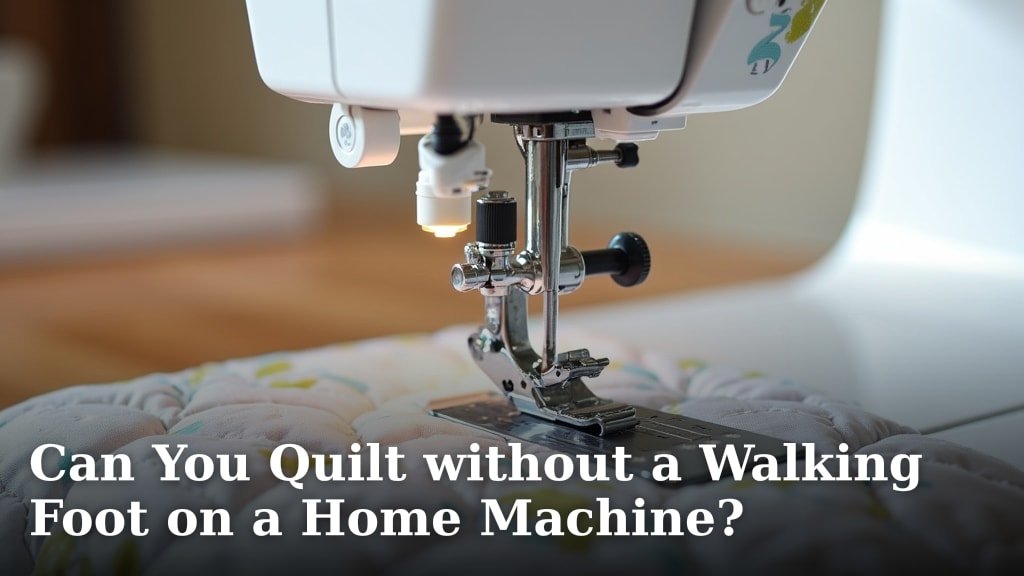
Yes, you can absolutely quilt without a walking foot on your home sewing machine! While a walking foot is highly recommended for even fabric feeding, you can achieve great results with a few smart techniques. Many quilters successfully quilt layers without this special attachment, proving it’s not a requirement.
It might take a little more patience and careful handling of your fabric layers. But with the right approach, you can avoid puckering and shifting. We found that simple adjustments to your sewing speed and how you guide the fabric make a big difference when you don’t have a walking foot.
- You can quilt without a walking foot.
- It requires careful fabric handling and adjustments.
- Consider basting thoroughly to keep layers together.
- Sewing slowly and evenly is key to success.
- Many quilters achieve beautiful results this way.
Let’s walk through exactly how you can quilt smoothly and effectively, even without a walking foot.
Quilting Layers Without a Walking Foot: Your Guide
So, you want to quilt a beautiful quilt but don’t have a walking foot? You can absolutely do it! We know it sounds a bit daunting. But many quilters have been there and found success. It just takes a little extra care and a few smart techniques. Your home machine can handle this task with some adjustments. Our guide on how to quilt with a regular sewing machine offers practical tips.
Understanding the Challenge: Why a Walking Foot Helps
A walking foot is designed to feed both the top fabric and the batting evenly. It has little feed dogs that grip the top layer. This prevents the bottom layer from getting ahead or behind. Without it, your machine’s regular feed dogs only move the bottom layer. This can lead to uneven stitches, puckering, and shifting of your quilt sandwich.
The Risk of Uneven Feeding
When you quilt without a walking foot, the top layer can stretch. It can also bunch up as you sew. This is especially true for larger quilts. The bottom layer is being pulled by the machine’s feed dogs. If the top layer isn’t moving at the same speed, things get out of sync. We found this can be a major source of frustration for new quilters.
Potential Outcomes to Avoid
You might end up with:
- Puckered seams: Little folds of fabric that weren’t sewn flat.
- Thread nests: A messy tangle of threads on the back of your quilt.
- Uneven quilting lines: Lines that are wobbly or spaced irregularly.
- Shifting layers: The batting or backing ends up in a different place than the top.
These issues can really detract from the finished look of your quilt. But don’t worry
Conclusion
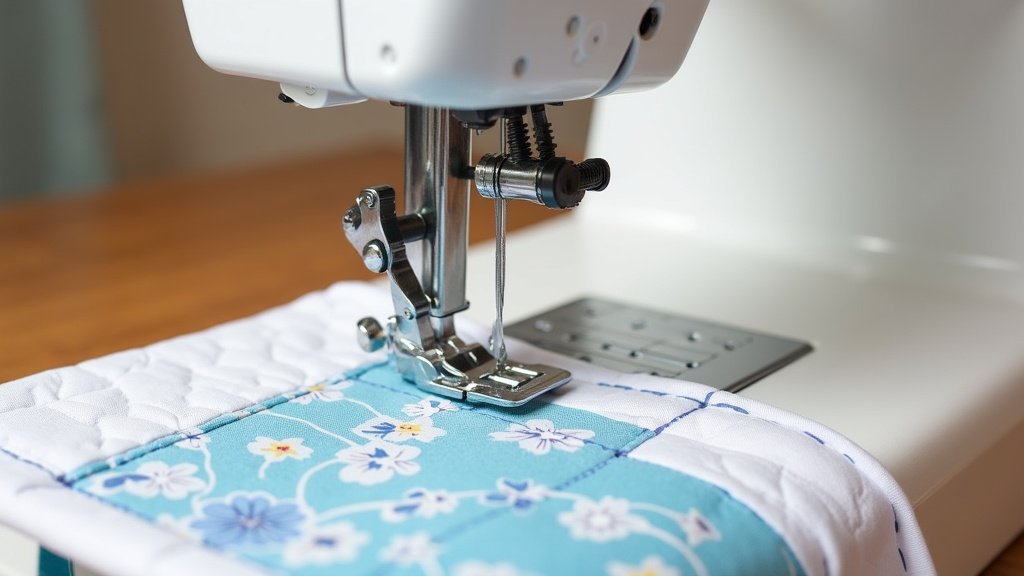
You’ve learned that quilting without a walking foot is definitely possible! While a walking foot makes things easier, you can still achieve beautiful results with careful preparation and gentle handling of your quilt layers. Remember that thorough basting is your best friend, and slowing down your sewing speed makes a big difference. Don’t be discouraged if it takes a bit more practice. Your next step is to gather your materials, try out these techniques on a small project, and build your confidence. Happy quilting!
Frequently Asked Questions
What is the best alternative to a walking foot for quilting?
While there’s no direct replacement, thorough basting is your best alternative. Spray basting or pinning your quilt layers very securely prevents shifting. Sewing slowly and gently guiding your fabric also helps compensate for the lack of a walking foot. We found this really helps keep everything in place.
Will my stitches look bad if I don’t use a walking foot?
Your stitches can look great, but they might not be as perfectly even as with a walking foot. The key is to sew slowly and consistently. Avoid pulling or pushing the fabric too much, and keep your speed steady. This minimizes the risk of uneven stitches and puckering.
Is it easier to quilt small projects without a walking foot?
Yes, it’s generally easier to quilt smaller projects like placemats or table runners without a walking foot. The smaller surface area makes it simpler to manage the fabric layers and keep them from shifting. For larger quilts, the challenges are amplified, making a walking foot more desirable.
Can I just use a regular presser foot for quilting without a walking foot?
Yes, you’ll be using your machine’s standard presser foot. The techniques we discussed involve how you handle the fabric and manage your sewing speed while using this regular foot. It’s about adjusting your technique, not swapping to a different foot, unless that foot is a walking foot!
How do I prevent puckering when quilting without a walking foot?
Preventing puckering involves a combination of things. Ensure your quilt sandwich is very well basted. Then, sew slowly and let the machine’s feed dogs do their work without forcing the fabric. Gently smooth the fabric in front of and behind the needle as you sew. We found this step to be essential.
