How to Adjust Your Hopping Foot Height
To adjust your hopping foot height, turn your machine’s presser foot pressure dial or lift mechanism until you have about the thickness of a business card between the foot and…

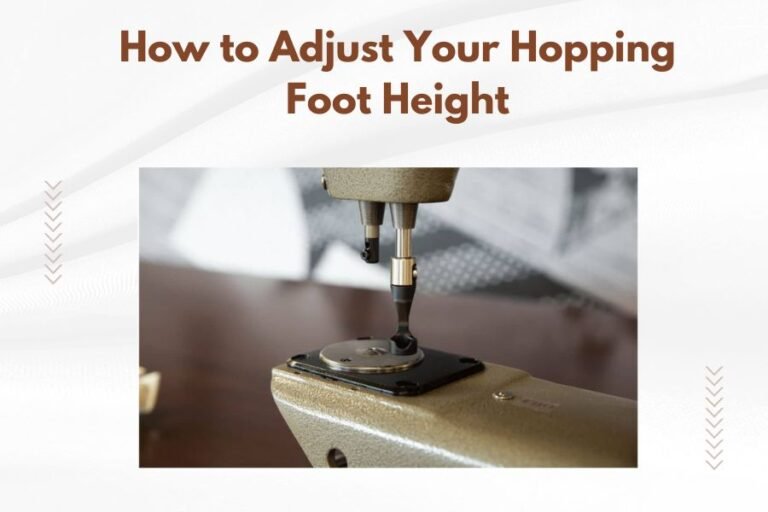
To adjust your hopping foot height, turn your machine’s presser foot pressure dial or lift mechanism until you have about the thickness of a business card between the foot and…
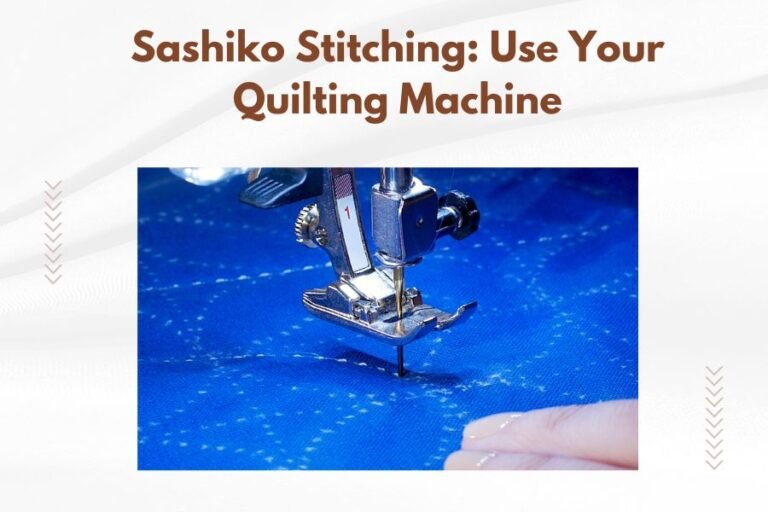
Yes, you can absolutely use your quilting machine for sashiko stitching by adjusting tension settings and using appropriate threads and needles. Sashiko stitching creates beautiful geometric patterns on fabric through…
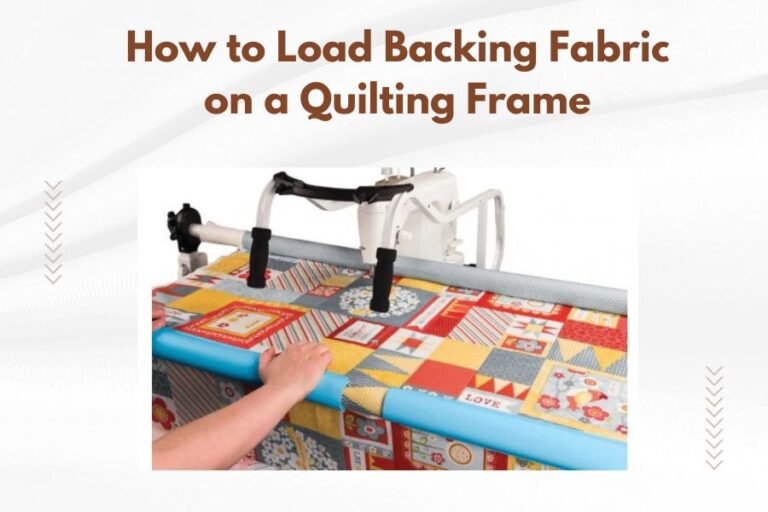
To load backing fabric on a quilting frame, start by centering and clamping the fabric to the back rail, then roll it forward while maintaining even tension across the width….

To quilt a table runner using a machine, start by layering your top fabric, batting, and backing, then use straight-line quilting or simple geometric patterns for best results. Machine quilting…
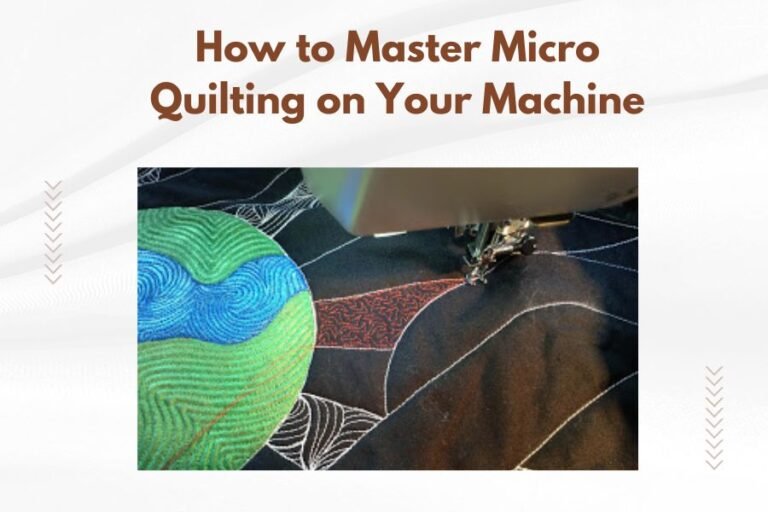
Micro quilting on your machine requires precise tension settings, a walking foot or quilting foot, and 40-weight cotton thread for best results. Start with a small quilt sandwich, practice stippling…
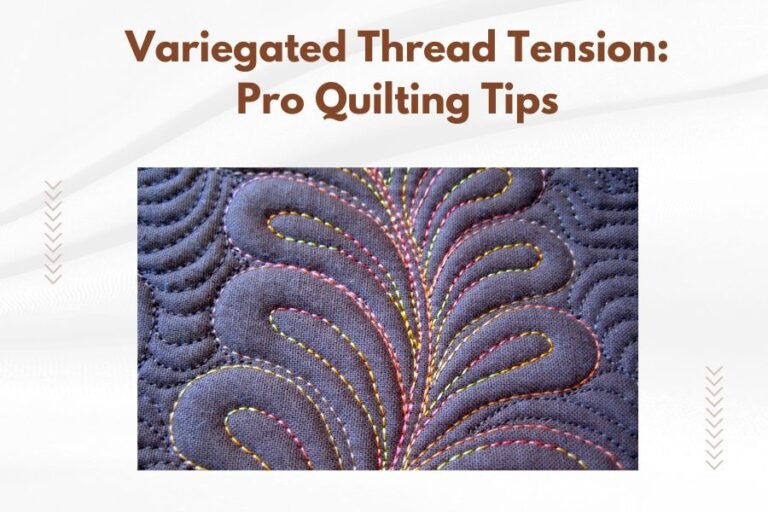
Variegated thread tension requires different settings than solid thread because the varying thicknesses create uneven pull through your machine. Start with slightly looser tension than normal and test on scraps…
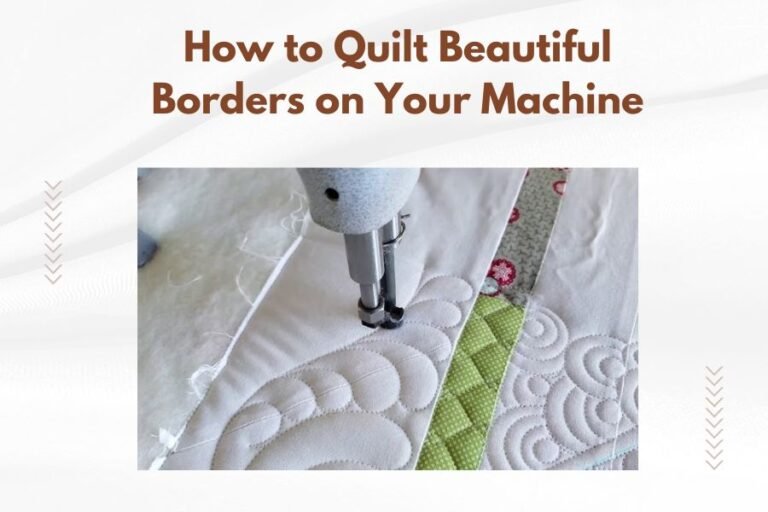
To quilt beautiful borders on your machine, start with accurate measuring and choose a border width that complements your quilt’s overall proportions. Machine quilting borders requires steady speed control, proper…
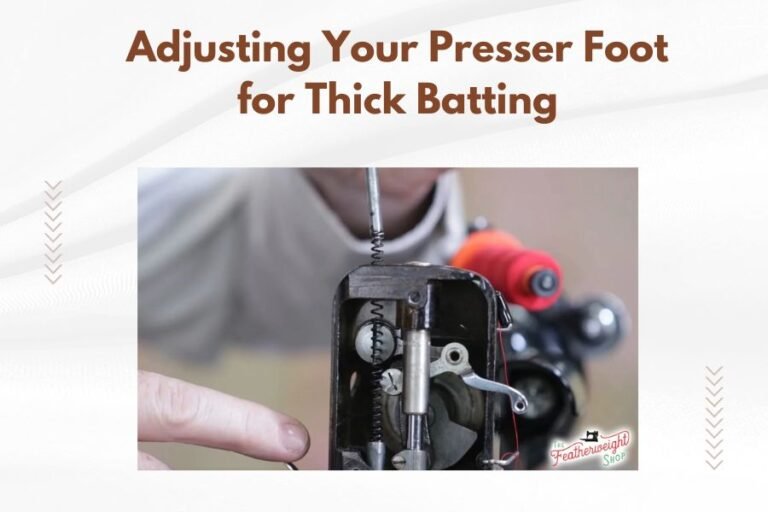
Adjusting your presser foot for thick batting requires raising the presser foot pressure and sometimes switching to a walking foot or quilting foot designed for bulk. Most quilting machines have…
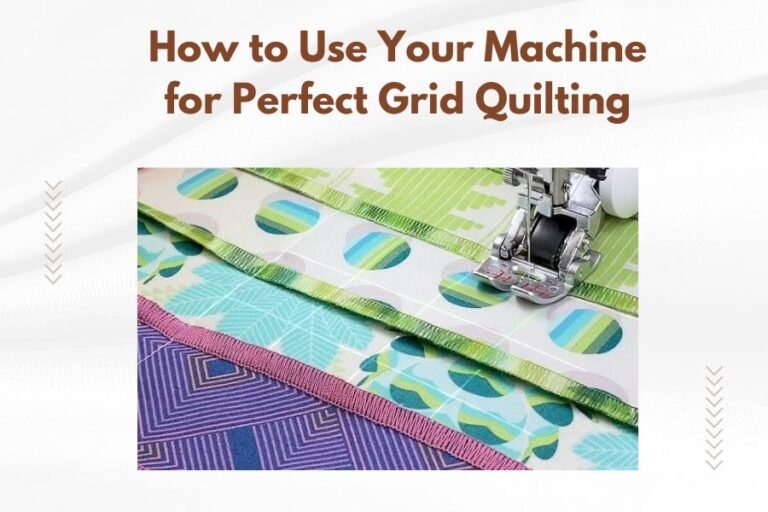
Perfect grid quilting requires setting your machine’s walking foot, adjusting stitch length to 2.5-3mm, and using quilting rulers or templates for straight, evenly-spaced lines. Your quilting machine can create flawless…

Heavy quilting thread requires tighter bobbin tension than standard thread to prevent loose loops and uneven stitches on your quilt backing. Adjust your bobbin tension by turning the screw clockwise…