How to Fix a Longarm Oil Leak: Step-by-Step Guide
A longarm oil leak typically occurs when seals wear out, connections loosen, or oil reservoirs get overfilled, causing drops to appear on your fabric or floor. To fix a longarm…

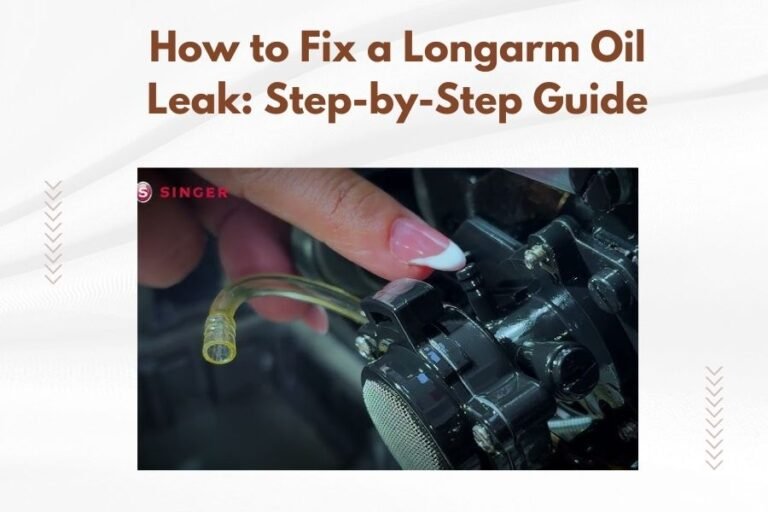
A longarm oil leak typically occurs when seals wear out, connections loosen, or oil reservoirs get overfilled, causing drops to appear on your fabric or floor. To fix a longarm…
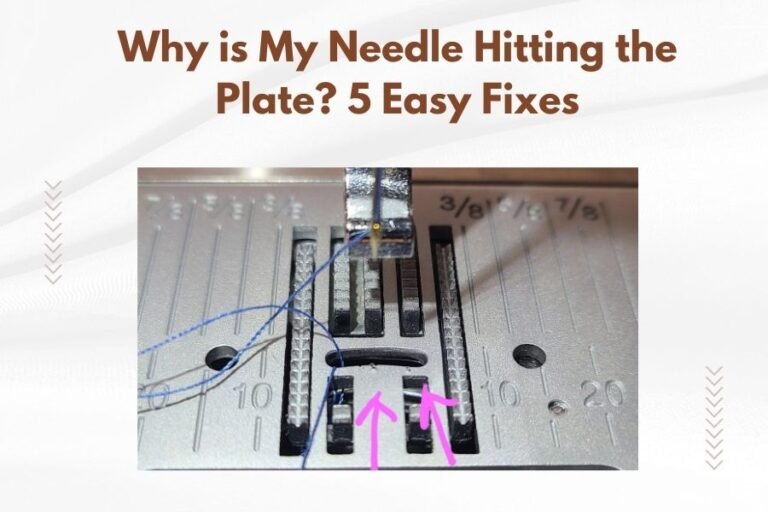
Your needle hits the plate when the timing is off, the needle is bent or wrong size, or the needle bar height needs adjustment. This common quilting problem can damage…
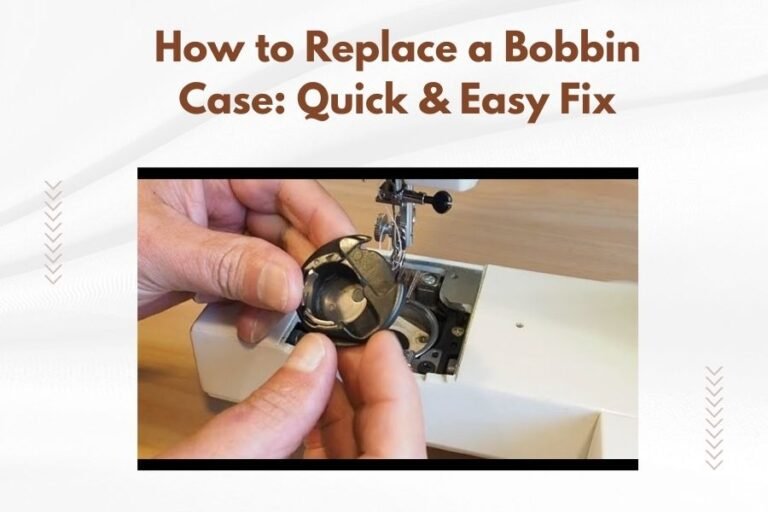
Replacing a bobbin case takes just 5-10 minutes and requires no special tools – simply remove the old case by lifting it out and snap the new one into place….
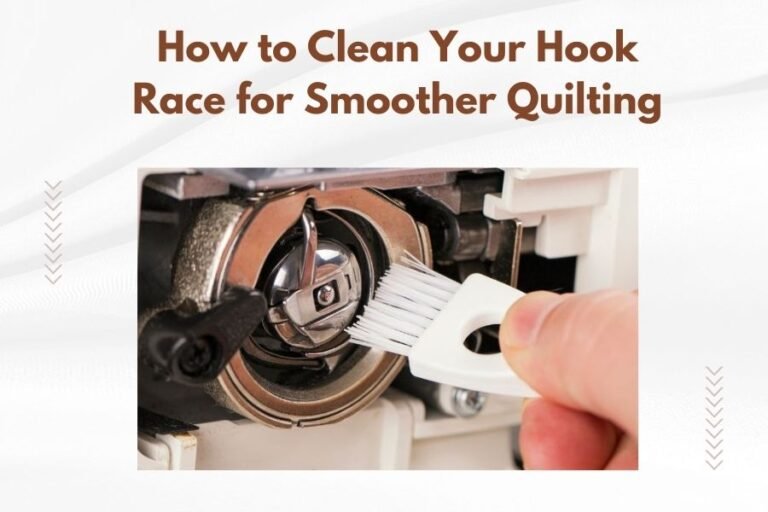
Clean your hook race by removing the bobbin case, brushing out lint and thread debris, and using compressed air to clear hard-to-reach areas. Regular hook race cleaning prevents thread jams,…
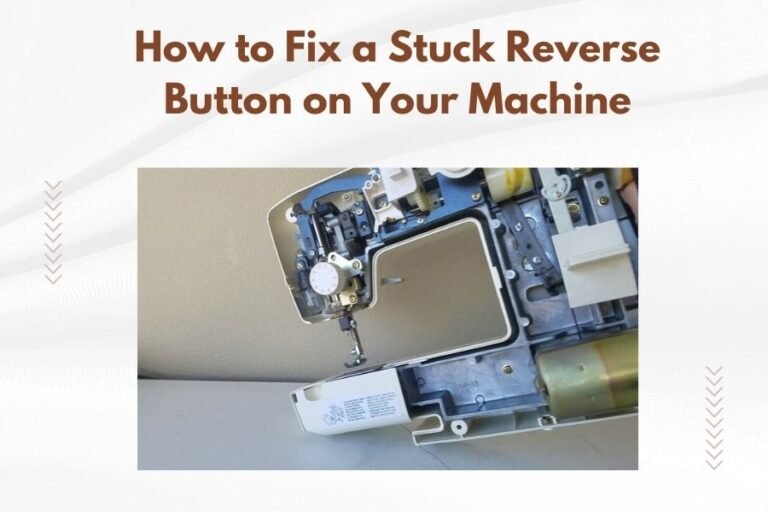
To fix a stuck reverse button on your quilting machine, first power off the unit and check for visible lint or thread wrapped around the button mechanism. Most stuck reverse…

Tighten loose longarm handlebars by adjusting the tension screws or bolts that connect the handlebars to the machine head – most machines have 2-4 adjustment points. You can usually fix…
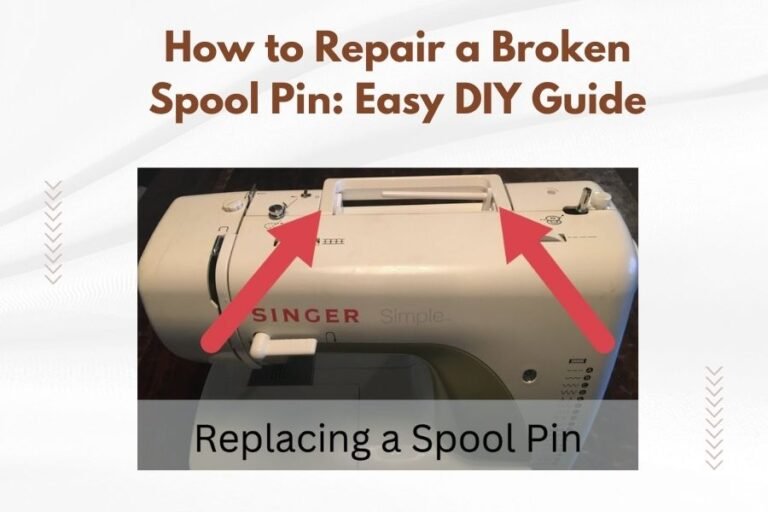
A broken spool pin can be fixed by replacing the damaged pin with a new one or using temporary solutions like tape wrapping or dowel rod substitutes. Most spool pin…
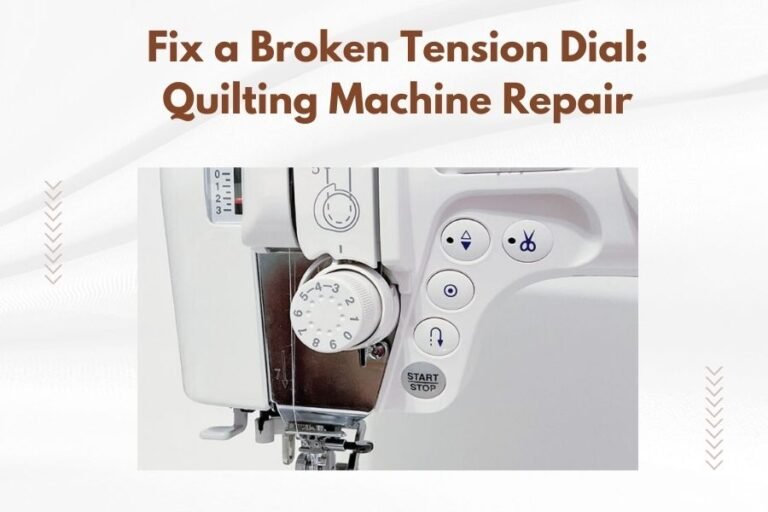
A broken tension dial on your quilting machine can usually be fixed by cleaning debris from the dial mechanism, realigning loose connections, or replacing worn internal springs. Most quilting machine…
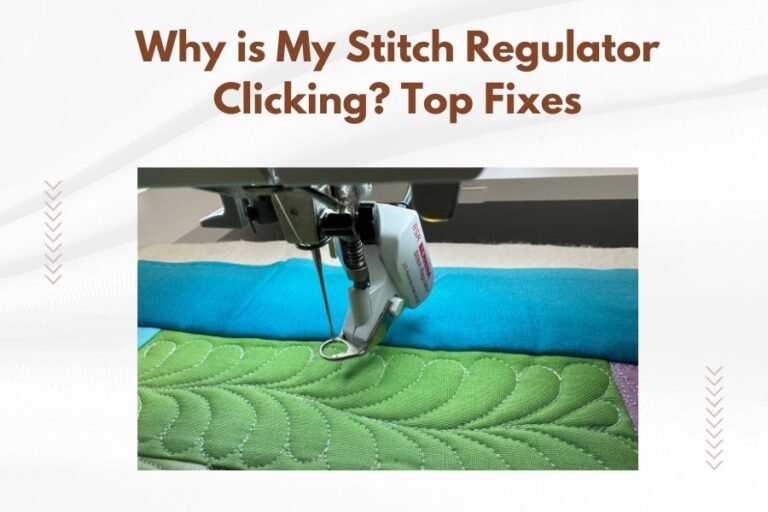
A stitch regulator clicking usually means loose screws, worn parts, or timing issues that need quick attention to prevent damage. The good news is most stitch regulator clicking problems have…
A jerky quilting motor usually stems from tension issues, dirty machine parts, or worn motor brushes that need cleaning or replacement. You can fix most jerky quilting motor problems by…