
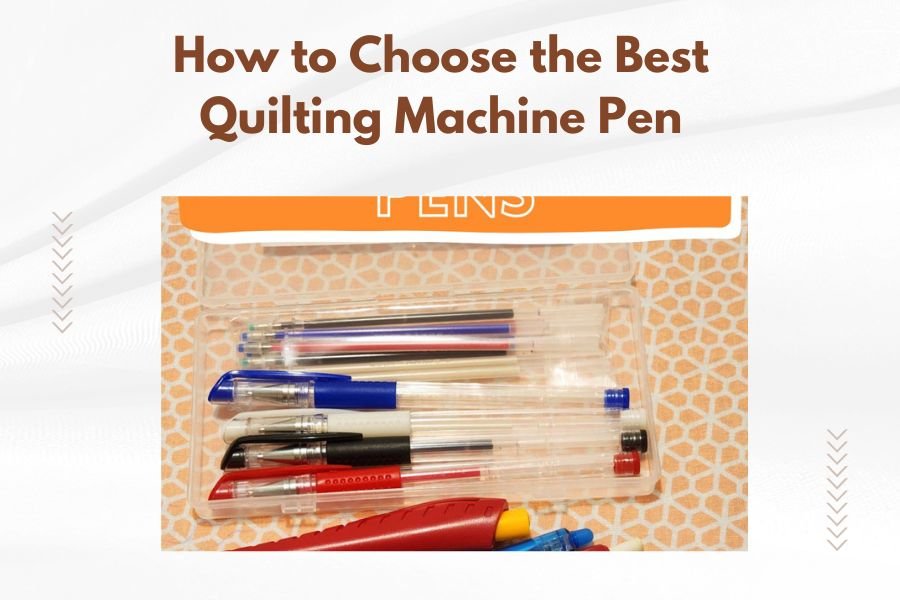
The best quilting machine pen has a fine tip, washable or removable ink, and works well on fabric without bleeding or smudging.
Look for water-soluble markers, air-erasable pens, or heat-removable options that match your quilting project needs and fabric type.
What Makes a Good Quilting Machine Pen
You need a pen that won’t ruin your beautiful quilt. The wrong marker can leave permanent stains or bleed through layers.
A quality quilting pen should disappear completely when you’re done. No traces left behind. No ghost lines haunting your finished project.
Key Features to Look For
Fine tip control gives you clean, precise lines. You want to mark quilting patterns without thick, messy marks.
Removable ink is non-negotiable. Whether it washes out with water, fades with air, or vanishes with heat – it must go away completely.
Fabric-safe formula won’t damage cotton, polyester, or blends. Some inks can weaken fibers or cause discoloration over time.
Types of Quilting Machine Pens
Water-Soluble Markers
These wash out with plain water or a damp cloth. Perfect if you like to pre-mark large sections of your quilt.
Blue water-soluble pens are the most common. The ink stays visible until you wash it away. Great for complex patterns that take time to complete.
Best Uses for Water-Soluble Pens
- Marking quilting templates and stencils
- Drawing continuous-line quilting patterns
- Outlining applique shapes
- Creating registration marks for machine quilting
Air-Erasable Pens
These fade away on their own within 24-72 hours. No washing needed. The ink just disappears into thin air.
Purple is the standard color for air-erasable markers. You’ll see your marks clearly while working, then they vanish automatically.
When Air-Erasable Works Best
Use these for quick marking jobs. If you’re quilting the same day or within a few days, air-erasable pens are perfect.
Don’t use them for long-term projects. The marks might fade before you finish quilting that section.
Heat-Removable Pens
These marks disappear when you iron over them. The heat makes the ink vanish instantly.
White or silver heat-removable pens work well on dark fabrics. You can see the marks clearly, then iron them away.
Heat-Removable Pen Cautions
Never leave your quilt in a hot car or direct sunlight. High temperatures can make the marks disappear before you want them to.
Some heat-removable inks can reappear if the fabric gets very cold. Test this on scraps first.
Choosing the Right Color
Light Fabrics
Blue water-soluble pens show up well on white, cream, and light colors. Purple air-erasable pens also work great.
Avoid dark markers on light fabric. They might not wash out completely and could leave faint traces.
Dark Fabrics
White, silver, or yellow markers stand out on dark colors. Heat-removable white pens are popular choices.
Some quilters use light-colored chalk pencils on dark fabric. These brush away easily without heat or water.
Medium-Tone Fabrics
These can be tricky. Test different colors on fabric scraps first. What looks visible might not show up well under your sewing machine lights.
Testing Your Quilting Pen
The Scrap Test Method
Always test new pens on fabric scraps from your actual project. Different fabric treatments can react differently to marking pens.
Make test marks, then try removing them exactly how you plan to remove them from your finished quilt.
What to Test For
- Does the ink remove completely?
- Are there any ghost marks or shadows?
- Does the fabric feel different after cleaning?
- Did the removal process change the fabric color?
Washing Test Steps
For water-soluble pens, test with the same water temperature you’ll use on your finished quilt. Hot water removes some inks better than cold.
Let the test fabric dry completely. Some ink traces only show up after drying.
Common Quilting Pen Problems
Ink That Won’t Remove
This happens when ink sits too long or reacts with fabric treatments. Some stabilizers and interfacings can set the ink permanently.
Research from textile experts shows that heat-setting ink accidentally (like with an iron) can make it permanent.
Prevention Tips
Remove marks as soon as possible after quilting. Don’t let water-soluble ink sit for weeks.
Keep air-erasable marked fabric away from heat sources. Even warm car interiors can set the ink.
Ink That Bleeds
Bleeding happens when ink spreads beyond your marked lines. This creates fuzzy, unclear marks.
High-quality fabric markers have better ink formulation that stays put. Cheap pens often bleed more.
Top Features by Price Range
| Price Range | Features to Expect | Best For |
|---|---|---|
| $2-5 | Basic water-soluble or air-erasable, standard tip | Occasional quilters, simple projects |
| $5-10 | Fine tip control, reliable ink removal, variety pack | Regular quilters, multiple fabric types |
| $10-15 | Professional quality, specialty colors, precision tips | Serious quilters, detailed work |
Brand Recommendations
Beginner-Friendly Options
Many quilting supply companies make reliable basic markers. Look for established sewing brands rather than generic office supply pens.
Quilting-specific pens are formulated for fabric. Regular markers from office stores might not remove properly.
Professional-Grade Choices
Higher-end quilting pens often come with replacement tips or refillable ink. These cost more upfront but last longer.
Some professional markers offer multiple tip sizes in one pen. You can switch between fine detail work and broader marking.
Caring for Your Quilting Pens
Storage Tips
Store pens horizontally when possible. This keeps ink flowing evenly to the tip.
Keep caps on tight. Air-erasable pens can dry out quickly if left open.
Making Pens Last Longer
Clean fabric lint off pen tips regularly. Buildup can affect ink flow and line quality.
Don’t press hard when marking. Light pressure gives better lines and preserves the tip.
When to Replace Your Quilting Pen
Signs You Need a New Pen
- Lines come out faint or broken
- Ink doesn’t remove as completely as before
- The tip is frayed or damaged
- Color has changed or looks off
Shelf Life Considerations
Most quilting pens last 1-2 years with regular use. Air-erasable pens might have shorter shelf lives than water-soluble ones.
Buy pens as you need them rather than stocking up years in advance.
Alternative Marking Tools
Chalk Options
Tailor’s chalk and chalk wheels brush away without water or heat. Good for quilters who prefer completely removable options.
Chalk can be harder to see and might brush off while you’re quilting. It works better for quick reference marks.
Mechanical Pencils
Very light pencil marks sometimes quilt away completely. Use the lightest touch possible.
This method works best on light fabrics where pencil marks blend in. Always test first.
Conclusion
Choosing the best quilting machine pen comes down to your project timeline, fabric colors, and personal preferences. Water-soluble pens work great for most quilters and offer reliable removal. Air-erasable pens suit quick projects perfectly. Heat-removable options shine on dark fabrics.
Always test any new pen on fabric scraps first. This simple step prevents heartbreak and saves finished quilts. Remember that a good quilting pen should disappear completely, leaving only your beautiful stitching behind. The right marking tool makes machine quilting more accurate and enjoyable.
What’s the difference between quilting pens and regular fabric markers?
Quilting pens are specifically designed for precision marking with finer tips and inks that remove more reliably from quilting cotton and batting layers.
Can I use the same pen on all fabric types?
Different fabrics may react differently to marking inks. Always test on scraps first, especially with synthetic fabrics, silk, or heavily treated cottons.
How long do air-erasable marks last before fading?
Most air-erasable marks fade within 24-72 hours, but humidity, temperature, and air circulation can affect timing. High humidity may make marks last longer.
What should I do if my quilting pen marks won’t come out?
Try gentle soap and cool water first, then gradually increase water temperature. For stubborn marks, some quilters have success with rubbing alcohol, but test in an inconspicuous area first.
Are expensive quilting pens worth the extra cost?
Higher-priced pens often offer better ink quality, more reliable removal, and longer-lasting tips. For frequent quilters or valuable projects, the extra cost typically pays off in better results.
