
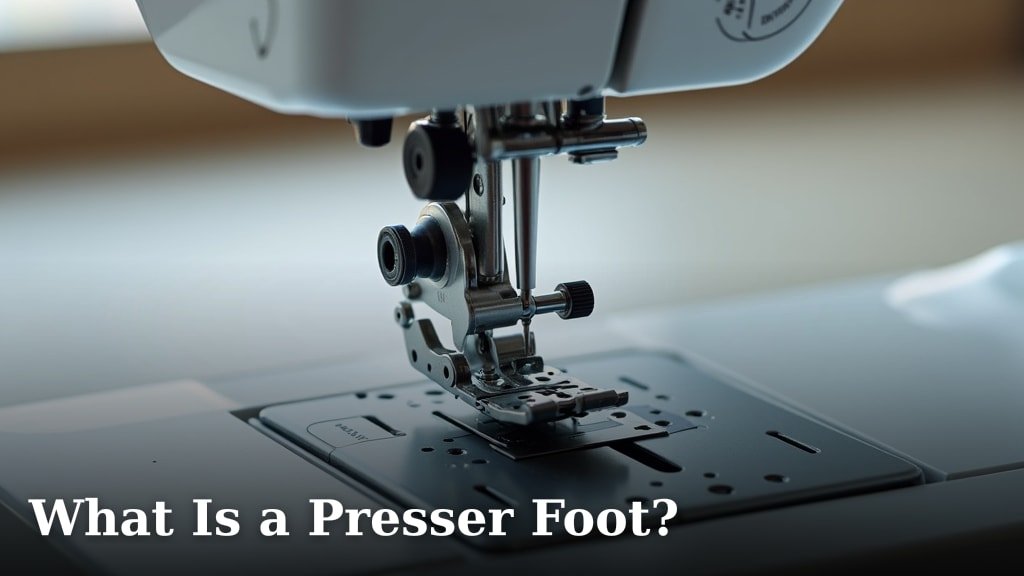
A presser foot is a small but mighty sewing machine attachment. It holds your fabric firmly in place as you sew. This helps guide the material smoothly under the needle. Without it, your stitches would likely be uneven or skipped.
Think of it as your fabric’s best friend during the sewing process. It ensures consistent tension and prevents the fabric from bunching up. Many presser feet exist, each designed for a specific sewing task. Understanding its role is key to successful sewing projects.
- A presser foot holds fabric steady while you sew.
- It ensures even stitches and prevents fabric bunching.
- Different types of presser feet exist for various jobs.
- It’s a vital part of your sewing machine’s functionality.
Ready to learn more about this essential sewing tool? Below, we’ll walk you through the different types of presser feet and how they can help your projects.
Understanding Your Sewing Machine’s Presser Foot
This little attachment is your sewing machine’s secret weapon. It’s the part that presses down on your fabric. This ensures your material feeds smoothly. It also keeps your stitches neat and consistent. Think of it as the guardian of good stitching.
The Essential Role of the Presser Foot
Your presser foot does more than just push down. It plays a vital role in controlling your fabric. Without it, your sewing machine’s feed dogs wouldn’t be able to grip the material properly. This would lead to all sorts of sewing woes.
Keeping Fabric in Place
The primary job of any presser foot is to hold your fabric taut. It applies gentle, consistent pressure. This prevents the fabric from shifting or bunching up as the needle goes in and out. It’s like having a steady hand guiding your work.
Ensuring Even Stitching
Consistent pressure means consistent feeding. When the fabric moves evenly under the needle, your stitches will be uniform. This is essential for both the look and the durability of your seams. You get stronger, more professional-looking results every time.
Preventing Fabric Bunching and Puckering
Ever had your fabric bunch up and look all wrinkly after sewing? That’s often because the presser foot wasn’t doing its job effectively. A well-functioning presser foot prevents this. It keeps the fabric flat and smooth, avoiding that dreaded puckered look. Many home sewers find this aspect particularly helpful for delicate fabrics (Cleveland Clinic).
A World of Presser Feet: Types and Their Uses
You might be surprised to learn there isn’t just one type of presser foot. Sewing machine manufacturers have created a whole host of them. Each one is designed for a specific sewing task. Let’s explore some of the most common ones you’ll encounter.
The Standard/All-Purpose Foot
This is usually the presser foot that comes with your sewing machine. It’s your workhorse for most everyday sewing tasks. Think straight stitches and basic zigzag stitches. It’s perfectly adequate for most woven fabrics and general repairs.
Specialized Presser Feet for Specific Tasks
Once you get into more detailed sewing, you’ll find specialized feet incredibly useful. They can make tricky techniques much easier.
Zipper Foot
A zipper foot is narrow. It has a notch on one side. This allows you to get very close to the zipper teeth. You can then sew neat, straight stitches right alongside the zipper. It makes inserting zippers a breeze.
Buttonhole Foot
Creating buttonholes can be tricky. A buttonhole foot automates the process. You set the length of your desired buttonhole. The foot then guides your machine to sew it perfectly. Many modern machines have built-in buttonhole functions, but this foot ensures consistency.
Rolled Hem Foot
Want to create a neat, narrow hem on lightweight fabrics? The rolled hem foot is your go-to. It has a small channel that folds the fabric edge over twice. This creates a beautiful, clean hem. It’s fantastic for scarves or delicate garment edges.
Overcasting Foot
This foot is designed to finish raw fabric edges. It mimics the look of an overlock or serger stitch. It helps prevent fraying on seam allowances. This adds a professional touch to your projects.
Blind Hem Foot
For a nearly invisible hem, you need a blind hem foot. It has a guide that helps you stitch just along the folded edge of the fabric. This creates a hem that’s hard to see from the right side. It’s often used for curtains and dress pants.
Walking Foot
A walking foot is a game-changer for quilting and sewing multiple layers of fabric. It has an upper set of feed dogs that move in sync with your machine’s feed dogs. This ensures all layers feed through evenly. It prevents shifting and creates beautiful, evenly stitched layers. Many quilters find this indispensable for their projects (National Quilting Association).
Gathering Foot
If you want to gather fabric, this foot is a lifesaver. It sews with a slight tension. This causes the fabric to gather as it’s fed under the needle. It can also be used to attach a gathered piece to a flat piece of fabric.
Appliqué Foot
This foot has a wider opening. It’s designed to accommodate thicker decorative threads or stitches used in appliqué. It allows for smooth stitching around detailed shapes.
Free-Motion / Darning Foot
For free-motion quilting, embroidery, or darning, you need this foot. It lifts up and down with the needle. This allows the fabric to move freely in any direction. You control the movement with your hands, creating decorative stitches or repairing worn areas.
How to Identify and Change Your Presser Foot
Knowing which foot to use is one thing. Knowing how to change it is another. Most modern sewing machines have a quick-release lever. This makes changing the presser foot simple and fast.
Locating the Presser Foot Lever
Look for a lever located on the back or side of your sewing machine’s needle bar area. When you lower this lever, it presses the foot down onto the fabric. When you raise it, the foot lifts up.
The Removal and Attachment Process
Typically, you’ll want to raise the presser foot first. Then, you’ll see a small screw or clip holding the current foot in place. Loosen this screw or press the release lever. The old foot will drop off. Position the new foot so the needle bar aligns with its mounting hole. Lower the presser foot lever to secure the new foot in place. Always consult your sewing machine’s manual for specific instructions.
What If My Machine Is Older?
Some older machines might have a screw-on presser foot. In this case, you’ll need a screwdriver to remove and attach the feet. It takes a little more time but achieves the same result. Always ensure the new foot is securely attached before sewing.
Choosing the Right Presser Foot for Your Project
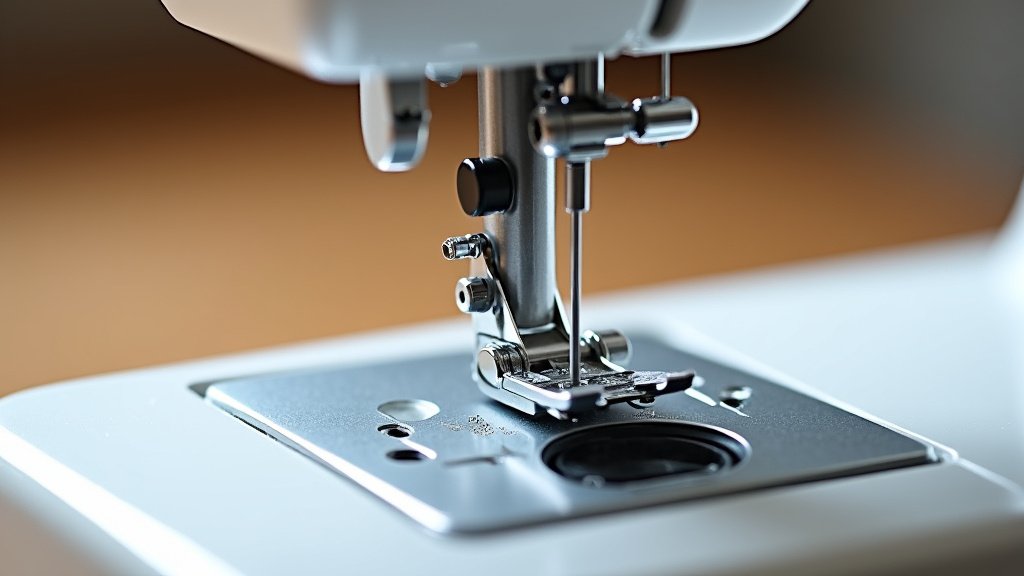
Selecting the correct presser foot can make a huge difference. It can turn a frustrating sewing experience into a satisfying one. Here’s a quick checklist to help you decide:
- What is the main task you need to accomplish? (e.g., sewing a zipper, creating a hem, quilting)
- What type of fabric are you working with? (e.g., delicate silk, thick denim, stretchy knit)
- Are you trying to achieve a specific decorative effect?
- Does the task involve multiple layers of fabric?
- Are you encountering issues like fabric bunching or skipped stitches?
A Table of Common Presser Foot Functions
To make choosing even easier, here’s a quick reference table:
| Presser Foot Type | Primary Use | Best For Fabrics |
|---|---|---|
| All-Purpose | General sewing, straight & zigzag stitches | Most woven fabrics |
| Zipper Foot | Sewing zippers close to the edge | All fabric types |
| Buttonhole Foot | Creating automatic buttonholes | All fabric types |
| Rolled Hem Foot | Creating narrow, neat hems | Lightweight to medium-weight fabrics |
| Walking Foot | Sewing multiple layers evenly | Quilting cottons, knits, bulky fabrics |
| Free-Motion Foot | Quilting, embroidery, darning | All fabric types (with machine settings) |
Conclusion
You’ve learned that the presser foot is a small but mighty sewing machine attachment. It’s essential for holding your fabric steady. This ensures your stitches are even and your projects look professional. From the basic all-purpose foot to specialized tools like the walking foot or zipper foot, each plays a unique role. Mastering how to change and use them effectively can transform your sewing experience. Now that you understand their importance, take a moment to identify the presser feet you have. Try using a different foot on your next project to see the difference it makes!
Frequently Asked Questions
Do I need a special presser foot for stretchy fabric?
Yes, for stretchy fabrics like knits, a special presser foot can be very helpful. A walking foot is excellent for multiple layers of knits. For single layers, a stretch stitch foot or a twin needle can prevent skipped stitches. These help feed the fabric evenly.
Can I sew without a presser foot?
Technically, you might be able to stitch a few stitches without a presser foot. However, your fabric will not be held in place. This will almost certainly lead to skipped stitches and uneven seams. It is not recommended for any sewing project.
How do I know which presser foot to use?
Consider the task you need to accomplish. For general sewing, your all-purpose foot is usually fine. If you’re sewing a zipper, use a zipper foot. For quilting multiple layers, a walking foot is best. Refer to the table provided or your sewing machine manual for guidance.
My sewing machine came with many presser feet. Do I need them all?
It’s great that your machine came with multiple feet! While you might not use every single one regularly, they can be very useful for specific tasks. Having them means you’re ready to tackle more advanced techniques. You might find yourself reaching for a specialized foot more often than you think.
What is the difference between a presser foot and a needle plate?
The presser foot presses down on your fabric to guide it under the needle. The needle plate (also called a throat plate) is the metal piece under the presser foot. It has a small hole for the needle and guides the fabric as it passes through. They work together but have different functions.
