
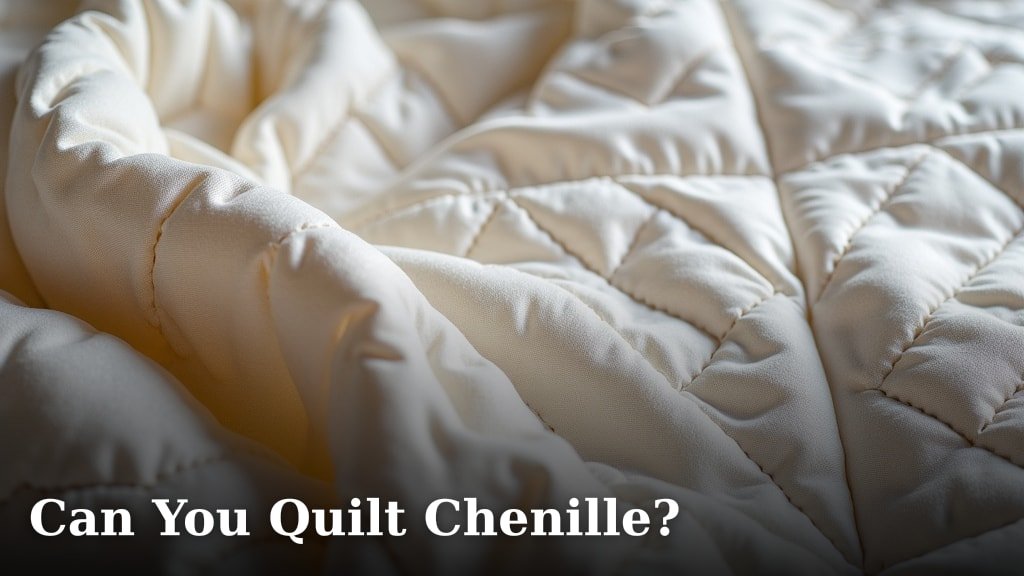
Yes, you absolutely can quilt with chenille! It’s a wonderful way to add unique texture and softness to your quilting projects. While it might seem a bit different from traditional quilting fabrics, chenille behaves beautifully when handled with a few specific techniques in mind. Many quilters have found success using it.
Chenille fabric, often called “chenille-ing” when referring to the technique of creating it, has a fuzzy, velvety surface that comes from brushed threads. This fuzzy quality makes it incredibly cozy and visually appealing. You’ll find it adds a special touch, whether you’re creating a whole quilt or just adding chenille accents to your designs. It’s a cozy and warm material.
- Chenille can definitely be used for quilting.
- It adds unique texture and softness.
- Handle chenille with specific techniques.
- It’s great for whole quilts or accents.
- Expect a cozy and warm finished product.
Let’s walk through exactly how to quilt with chenille, so you can achieve beautiful results without any fuss.
Working with Chenille Fabric in Your Quilts
You’re probably wondering if chenille fabric can join your quilting adventures. The short answer is a resounding yes! Chenille isn’t just for cozy blankets or decorative pillows; it can be a fantastic addition to quilts. It brings a unique softness and texture that traditional quilting cottons can’t quite match. Imagine a quilt that feels as good as it looks, with a gentle fuzziness that beckons you to snuggle up. Many quilters have discovered that with the right approach, chenille can be a surprisingly versatile fabric for your projects. You can quilt with a regular sewing machine, even when working with chenille.
What makes chenille so special? It’s all about its construction. Chenille fabric is created by cutting the weft yarns of a woven fabric. These cut yarns then form a fuzzy pile on the surface. This brushing process gives chenille its signature velvety feel. It’s this fuzzy texture that makes it so appealing for adding warmth and visual interest to quilts. So, while it might look a little different, think of it as another tool in your creative toolbox!
Understanding Chenille Types for Quilting
When you start looking into chenille for quilting, you’ll find there are a few main types. Knowing the difference will help you choose the best fabric for your project. This isn’t about being overly technical; it’s just about understanding what you’re working with.
Pre-Made Chenille Fabrics
The easiest way to start is with pre-made chenille fabrics. These are already manufactured with the characteristic fuzzy texture. You can often find them in quilting stores, sometimes in pre-cut strips or squares. These fabrics are usually made from cotton, so they behave much like your standard quilting cottons, just with that extra fuzzy layer. They are great for beginners who want to try chenille without the extra steps.
DIY Chenille: The “Chenille-ing” Technique
This is where things get really interesting! You can create your own chenille fabric from regular quilting cotton. This process is often referred to as “chenille-ing.” It involves layering pieces of cotton, stitching them together in parallel lines, and then cutting between those lines. The washing process then frays those cuts, creating the fuzzy chenille effect. It sounds involved, but many quilters find it to be a fun and rewarding way to get exactly the look they want.
How DIY Chenille is Made
To make your own chenille, you’ll typically need at least two layers of fabric. A backing fabric (often flannel for extra softness) and one or more top layers of cotton. You’ll stitch straight lines across these layers, leaving space between each line. Then, the magic happens in the wash! As the fabric tumbles, the cut edges fray and curl, creating that beloved fuzzy pile. It’s like a little fabric miracle.
Blended and Specialty Chenilles
Beyond 100% cotton, you might encounter chenilles made with blends. These can include polyester or rayon, which might affect drape and how the fabric frays. Some specialty chenilles might also have different pile densities or backing materials. For quilting, sticking with 100% cotton chenille, whether pre-made or DIY, is generally recommended for its stability and predictable behavior. These are usually the most beginner-friendly options.
Tips for Quilting with Chenille
Now that you know you can use chenille, let’s talk about how to make it work beautifully in your quilts. Quilting with chenille does require a slightly different approach than with standard cotton. But don’t worry, these tips are designed to make the process smooth and enjoyable for you.
Choosing Your Chenille Placement
You don’t have to commit to a whole chenille quilt if you’re feeling hesitant. Consider using chenille as an accent. Perhaps a chenille border? Or maybe a chenille block nestled among traditional piecing? You could also use it for binding to add a soft, tactile edge. Starting with smaller areas allows you to get a feel for the fabric without overwhelming yourself. Many quilters find that even a touch of chenille adds a wonderful dimension.
Handling the Fray Factor
Chenille, by its nature, frays. This is what gives it its fuzzy charm, but it also means you need to manage it. When you’re cutting chenille, especially DIY chenille, expect some loose threads. It’s a good idea to have a vacuum cleaner or a lint roller handy to clean up your workspace. For pre-made chenille, the fraying is usually contained to the brushed pile and doesn’t cause the fabric to unravel easily. However, it’s still wise to finish your seams, especially if you’re making your own chenille.
Stabilizing Chenille for Quilting
For DIY chenille, the stitching lines themselves provide a lot of stability. However, if you’re working with very delicate chenille or want extra security, you might consider a bit of spray starch before cutting or quilting. This can help reduce excessive fraying. For pre-made chenille, research suggests it’s often stable enough on its own, especially if it has a good quality backing. Always test a small swatch if you’re unsure. Many experts recommend a quick spray starch for any fabric you’re not familiar with.
Quilting Density and Thread Choice
When you quilt over chenille, you don’t need to go overboard with dense quilting. A lighter to medium quilting density usually works best. Too much quilting can flatten the fuzzy pile and diminish the chenille’s softness. Think of it as complementing the texture, not competing with it. As for thread, a good quality cotton thread is often recommended. You can choose a contrasting thread to make your quilting stitches pop, or a coordinating thread for a more subtle effect. Some quilters even enjoy using variegated threads for added visual interest.
Essential Tools and Notions for Chenille Quilting
To make your chenille quilting experience as smooth as possible, having the right tools can make a world of difference. These aren’t exotic items; they’re mostly things you might already have in your sewing room!
Here’s a quick checklist:
- A sharp rotary cutter and mat for clean cuts.
- A good pair of fabric scissors for trimming threads.
- Wonder clips or pins to hold layers together securely.
- A walking foot for your sewing machine to handle multiple layers evenly.
- A vacuum cleaner or lint roller for managing stray threads.
- Spray starch (optional, for extra stabilization).
Common Questions About Quilting with Chenille
Let’s address a few things that might pop into your mind as you consider using chenille. It’s normal to have questions when trying something new!
Can chenille be washed?
Absolutely! In fact, washing is often a key step, especially for DIY chenille to create the fuzzy texture. For finished quilts with chenille, follow standard quilt washing instructions. A gentle cycle with cool water and a mild detergent is usually best. Avoid harsh detergents or high heat, which can degrade the fibers over time.
Will chenille shed a lot?
Yes, chenille does shed, especially during the initial washing and cutting stages if you’re making it yourself. This is part of its charm! However, once it’s quilted into a project and washed a few times, the shedding usually subsides. Think of it like a fuzzy sweater – it might shed a little at first, but it settles down. Many quilters find the shedding manageable with a little cleanup.
Is chenille durable enough for quilts?
For sure! High-quality chenille, particularly 100% cotton, is quite durable. It’s designed to withstand wear and washing. When you quilt it properly, sandwiching it with batting and backing, it becomes part of a sturdy quilt structure. The durability is generally comparable to other quilting fabrics. You can expect your chenille quilt to last for many years with proper care. Research on fabric durability points to cotton’s resilience.
What kind of batting works best with chenille?
A medium-loft cotton or cotton-blend batting is usually a great choice. It provides a nice cushion without being too thick, allowing the chenille’s texture to shine. You want a batting that will give a bit of loft and definition to your quilting stitches, but not so much that it squashes the chenille pile flat. Test a small sample if you’re using a new batting type with chenille.
Can I use chenille in a baby quilt?
Definitely! Chenille is wonderfully soft and cozy, making it ideal for baby quilts. Just be sure to use 100% cotton chenille and pre-wash it thoroughly according to fabric instructions. As always, ensure all threads and embellishments are securely attached for safety. The softness will be a big hit with little ones (and their parents!).
Comparing Chenille to Other Quilt Fabrics
It can be helpful to see how chenille stacks up against more traditional quilting fabrics. This comparison isn’t to say one is better than the other, but to highlight their differences so you can make informed choices for your projects.
| Fabric Type | Texture | Ease of Use | Best For | Care |
|---|---|---|---|---|
| 100% Cotton Quilting Cotton | Smooth, crisp | Very easy, stable | Piecing, appliqué, quilting all types | Machine wash & dry, generally durable |
| Chenille (Pre-made or DIY) | Soft, fuzzy, velvety | Moderate (requires managing fray) | Accents, borders, whole texture quilts, cozy items | Gentle wash, cool dry, may shed initially |
| Flannel | Soft, brushed nap | Easy, stable | Cozy quilts, baby quilts, winter projects | Machine wash & dry, can pill over time |
As you can see, chenille brings a unique tactile experience to the table. While standard cotton is the workhorse of quilting, chenille offers that extra layer of comfort and visual appeal. Flannel offers softness but lacks the distinct fuzzy pile of chenille.
Conclusion
You’ve learned that quilting with chenille is absolutely achievable and a fantastic way to add amazing texture. Whether you choose pre-made fabrics or try the fun “chenille-ing” technique yourself, chenille brings a cozy, tactile element to your projects. Remember to manage the natural fraying with a few simple steps, and opt for lighter quilting densities to preserve that beloved softness. Don’t shy away from using chenille for accents or even entire quilts! Your next step? Grab a swatch of chenille and start experimenting to feel its softness for yourself.
Frequently Asked Questions
What’s the difference between pre-made chenille and DIY chenille for quilting?
Pre-made chenille is already manufactured with a fuzzy pile, making it simple to use like any other fabric. DIY chenille, or “chenille-ing,” involves cutting stitches on layered fabric to create your own fuzzy texture. Both are great options depending on your preference for ease versus customization.
How do I prevent chenille from fraying excessively when quilting?
For DIY chenille, the stitching provides stability. For both types, a light application of spray starch before cutting or quilting can help control loose threads. Managing stray threads with a vacuum or lint roller during the process is also key.
Can I machine quilt over chenille without flattening the texture?
Yes, you can machine quilt over chenille. It’s recommended to use a medium to light quilting density. Over-quilting can flatten the fuzzy pile, so aim for stitches that complement rather than compress the texture.
Is chenille a good choice for a beginner quilter?
Chenille can be a good choice for a beginner, especially pre-made chenille fabrics. They are stable and easy to work with, similar to quilting cotton. If you try DIY chenille, it might be a bit more involved, but many beginners find the process rewarding and fun.
How should I care for a quilt that includes chenille?
Care for a chenille quilt gently. Machine wash on a delicate cycle with cool water and mild detergent. Avoid high heat drying, as it can damage the fibers. The shedding should decrease after a few washes.
