
Your walking foot is not feeding fabric evenly because of a few common issues. These include incorrect installation, a worn out foot, or problems with your machine’s feed dogs or presser foot pressure. Often, a simple adjustment can fix the problem.
It’s frustrating when your sewing machine doesn’t cooperate, especially with a walking foot that should make things easier. We found that uneven fabric feeding is a frequent complaint. You might be working with challenging fabrics, or perhaps your machine just needs a little TLC. Don’t worry, we can troubleshoot this together.
TL;DR:
- Your walking foot might be installed incorrectly.
- The walking foot itself could be old or damaged.
- Check your sewing machine’s feed dogs.
- Adjust your presser foot pressure.
- Fabric type can also play a role.
Let’s walk through the reasons why your walking foot isn’t performing as it should and how you can get back to smooth sewing.
Troubleshooting Uneven Fabric Feeding with Your Walking Foot
When your walking foot isn’t feeding fabric evenly, it can lead to distorted seams and uneven projects. We’ve gathered common reasons and straightforward solutions to help you.
Is Your Walking Foot Installed Correctly?
One of the most frequent culprits behind uneven feeding is incorrect installation. A walking foot isn’t like a standard presser foot; it has a special arm that needs to be positioned just right.
Checking the Fork Arm Placement
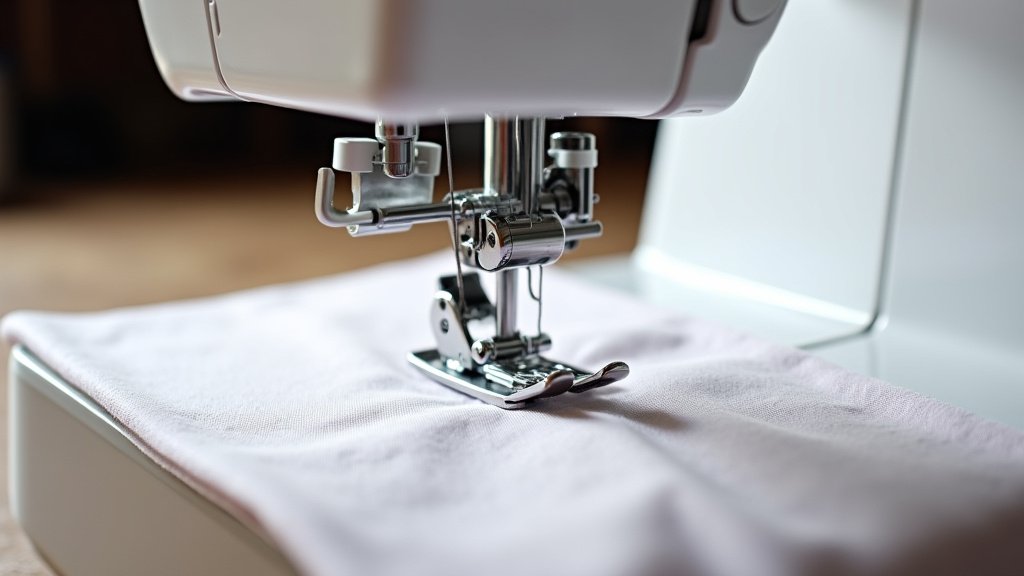
Every walking foot has a fork-like arm that hooks over your sewing machine’s needle bar screw. This arm is crucial. It’s what allows the walking foot to move up and down with the needle, mimicking the action of the feed dogs below.
If this arm isn’t securely placed over the needle bar screw, the walking foot can’t synchronize its movement. It will essentially be “dragging” instead of “walking,” causing your fabric to feed unevenly. Always ensure it’s For a comprehensive guide on proper setup and operation, refer to our article on how to use a walking foot.sitting snug and stable. A loose arm means an ineffective walking foot.
Securing the Presser Foot Shank
After placing the fork arm, you need to lower your presser foot lever and tighten the screw that holds the entire walking foot assembly to your machine’s presser foot shank. Make sure it’s tight but not overtightened. A wobbly walking foot won’t provide consistent feeding pressure, leading to wavy seams or puckering.
Assessing the Condition of Your Walking Foot
Walking feet, like any mechanical tool, can wear out over time. If yours has seen a lot of projects, its components might be tired.
Worn Grippers or Teeth
The bottom of your walking foot has little teeth or grippers, similar to your machine’s feed dogs. These help grab the top layer of fabric. If these grippers are worn down or damaged, they won’t be able to hold the fabric securely. This results in the top layer not moving as smoothly as the bottom, causing uneven feeding (University of Kentucky Extension).
Inspect them closely. Do they look flattened? Are there any missing? If so, it might be time for a replacement walking foot.
Internal Mechanism Issues
A walking foot has internal gears and springs that allow its unique movement. Over extended use, these small parts can become stiff, dirty, or even break. If your walking foot feels “sticky” or doesn’t move freely when you manually lift and lower the needle, it could indicate an internal problem.
Sometimes, a good cleaning can help, but often, these issues mean the walking foot has reached the end of its life. Trying to force a faulty walking foot will only lead to more frustration.
Examining Your Sewing Machine’s Feed Dogs
The feed dogs on your sewing machine are responsible for moving the bottom layer of fabric. If they’re not working correctly, even the best walking foot will struggle.
Dust and Lint Accumulation
Underneath your needle plate, your machine’s feed dogs are constantly working. They can easily become clogged with lint, dust, and tiny fabric fibers. This debris can prevent the feed dogs from rising and falling properly, or from gripping the fabric effectively.
Regular cleaning is essential. Remove your needle plate, use a small brush (often included with your machine), and gently clear away any buildup. You’d be surprised how much difference a clean machine can make!
Lowered Feed Dogs Setting
Many sewing machines have a setting to lower the feed dogs, usually for free-motion quilting or embroidery. It’s easy to accidentally leave them in the lowered position. If your feed dogs are down, they can’t grab the bottom fabric layer, leading to the walking foot doing all the work, which causes uneven feeding.
Check your machine’s settings or manual to ensure your feed dogs are engaged and in the “up” position for regular sewing with your walking foot.
Adjusting Presser Foot Pressure
Your sewing machine has a mechanism to adjust the amount of pressure the presser foot applies to your fabric. This is a critical setting when working with a walking foot.
Too Much Pressure
If your presser foot pressure is too high, it can flatten your fabric too much. This makes it harder for the walking foot’s grippers and the machine’s feed dogs to grab and move the fabric. It’s like trying to push a heavy box on a carpet that’s too thick – it creates unnecessary resistance.
Too much pressure can also cause stretching, especially with knit fabrics. Try reducing the pressure slightly and test on a scrap piece. You’re looking for a balance where the fabric moves smoothly but isn’t being squashed.
Not Enough Pressure
Conversely, if there isn’t enough presser foot pressure, the fabric might slip and slide. The walking foot needs a certain amount of pressure to hold the layers together and guide them through. Without enough pressure, the fabric can buckle, resulting in uneven stitch length and distorted seams (Sewing Machine Repair Manuals frequently mention this).
The ideal pressure setting often depends on the fabric type. Thicker fabrics generally need more pressure than delicate ones, but with a walking foot, you’re trying to achieve harmonious movement between the top and bottom layers.
Here’s a quick guide to common pressure adjustments:
| Fabric Type | Recommended Pressure (General) | Impact if Incorrect |
|---|---|---|
| Lightweight (e.g., silk, chiffon) | Low to Medium | Can stretch or pucker if too high. |
| Medium Weight (e.g., cotton, linen) | Medium | Can slip if too low, slightly pucker if too high. |
| Heavy/Bulky (e.g., denim, multiple layers) | Medium to High | Might not feed at all if too low, slight compression if too high. |
| Knits (e.g., jersey, fleece) | Low to Medium | Significant stretching or wavy seams if too high. |
Remember, these are general guidelines. Always test on a scrap of your project fabric.
Fabric Type and Preparation
Sometimes, the issue isn’t your machine or foot, but the fabric itself. Certain materials present unique challenges.
Slippery or Bulky Fabrics
Very slippery fabrics like charmeuse or lining material can be difficult for any feeding mechanism to handle. Similarly, excessively bulky layers (think multiple layers of fleece or batting) can overwhelm your walking foot, causing it to struggle and feed unevenly. We’ve found that using Our guide on whether you can quilt with a regular sewing machine offers more insights into managing challenging fabrics.temporary fabric adhesive or wonder clips can help stabilize these tricky materials (Consumer Reports on Sewing Machine Accessories).
Lack of Proper Preparation
Have you pressed your seams open or to one side? Are your fabric layers lined up precisely? Poor fabric preparation can exacerbate feeding issues. If one layer is bunched or stretched before it even enters the walking foot, it’s highly likely to feed unevenly. Always take time to prepare your fabric, pressing thoroughly and pinning or clipping as needed.
Your Uneven Feeding Checklist
Feeling a bit overwhelmed? Here’s a quick checklist to help you pinpoint the problem when your walking foot acts up:
- Is the walking foot’s fork arm securely over the needle bar screw?
- Is the walking foot itself tight on the presser foot shank?
- Are the grippers on the bottom of the walking foot still sharp and intact?
- Have you thoroughly cleaned the feed dogs and surrounding area?
- Are your machine’s feed dogs in the “up” position?
- Have you adjusted your presser foot pressure for your specific fabric?
- Are your fabric layers properly prepared and aligned?
Going through these steps methodically will usually uncover the reason behind your uneven fabric feeding. Don’t be afraid to try different adjustments and test on scraps. You’ll get back to smooth sewing in no time!
Conclusion
Don’t let uneven fabric feeding steal your sewing joy! We’ve covered the common culprits, from a misinstalled walking foot to issues with your machine’s feed dogs or presser foot pressure. Remember, a little troubleshooting goes a long way. Often, the fix is simpler than you think.
Take a deep breath and systematically work through the checklist provided. With these tips, you can confidently diagnose and solve the problem. Get back to creating beautiful, smooth projects with your walking foot working exactly as it should!
Frequently Asked Questions
How often should I clean under my sewing machine’s needle plate?
You should clean under your needle plate regularly, ideally after every 8-10 hours of sewing or after completing a major project. Lint and dust build-up can quickly interfere with your feed dogs’ performance, leading to uneven fabric movement.
Can I use a walking foot with all types of fabrics?
A walking foot is incredibly versatile and works well with many fabrics, especially challenging ones like knits, slippery silks, or multiple layers. However, extremely delicate fabrics might still benefit from tissue paper underneath, and excessively thick stacks could still overwhelm it.
My walking foot makes a clicking noise. Is that normal?
A slight clicking or thumping sound is often normal for a walking foot as its internal mechanism moves. However, if the sound is loud, grinding, or new, it could indicate an issue with internal gears or a need for lubrication. Check your manual or consult a service technician.
Why does my walking foot sometimes leave marks on the fabric?
If your walking foot is leaving marks, it might be due to too much presser foot pressure, especially on delicate fabrics. Try reducing the pressure slightly. Also, check if the grippers on the bottom of the foot are too sharp or if any part of the foot is snagging the fabric.
Can I lubricate my walking foot myself?
Most modern walking feet are sealed units and are not designed for user lubrication. Trying to oil them yourself can attract more lint and potentially damage the internal mechanism. If you suspect an internal issue, it’s usually best to replace the foot rather than attempt self-repair.
