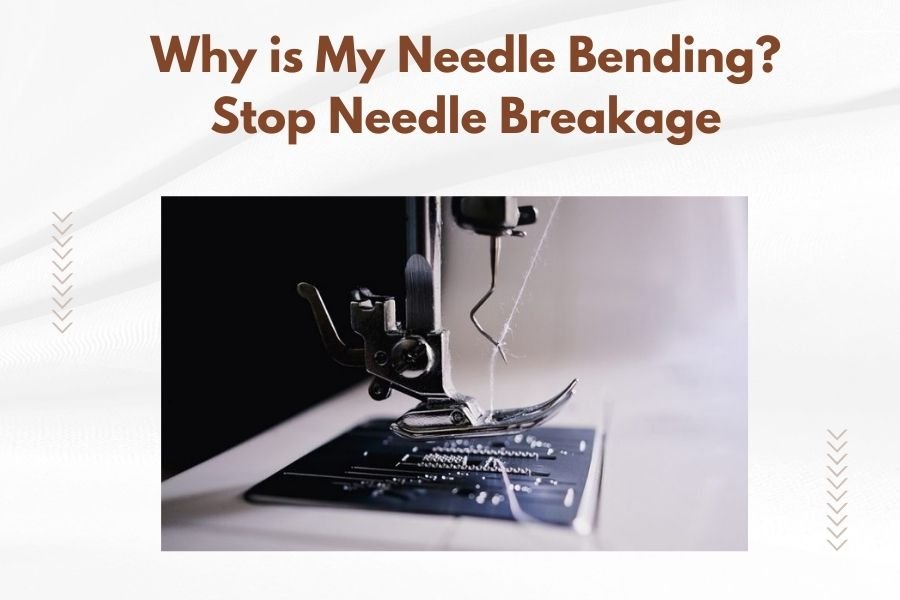
Your needle is bending because you’re using the wrong needle size for your fabric, sewing too fast, or the needle is hitting something hard like pins or thick seams.
The most common cause of needle bending is forcing thick fabrics through your machine with a needle that’s too small or dull.
Nothing ruins a good sewing session like hearing that telltale “ping” of a needle breaking. You’re cruising along, getting into your rhythm, and then boom – your needle decides to call it quits.
I’ve researched this problem extensively and found that most needle issues come down to just a few fixable causes. Let me walk you through exactly why this happens and how to stop it for good.
The Main Culprits Behind Needle Bending
Your machine isn’t trying to sabotage you. When needles bend or break, there’s always a logical reason. Let’s start with the biggest troublemakers.
Wrong Needle Size for Your Fabric
This is the number one reason I found online for needle problems. You wouldn’t use a butter knife to cut a steak, right? Same logic applies here.
Thin needles can’t handle thick fabrics. When you force heavy denim through with a size 70 needle, something has to give. The needle bends under pressure because it simply can’t push through all those fibers.
On the flip side, thick needles punch big holes in delicate fabrics. Your silk won’t appreciate a size 110 needle bulldozing through it.
Speed Demon Syndrome
Are you racing through your project like you’re late for something? Your machine needs time to do its job properly.
When you sew too fast, the needle doesn’t have enough time to cleanly penetrate the fabric. It hits resistance and bends. Think of it like trying to hammer a nail while running – the angle gets all wrong.
Hitting Hidden Obstacles
Pins left in the fabric are needle killers. I know you’re thinking “I can sew right over them” – but your needle disagrees.
Other sneaky obstacles include:
- Thick seam intersections
- Zippers when the needle hits the metal
- Buttons or snaps
- Interfacing that’s bunched up
Fabric-Related Issues That Cause Problems
Your fabric choice plays a huge role in needle health. Some materials are just tougher on needles than others.
Thick and Stubborn Fabrics
Heavy canvas, multiple layers of denim, or thick upholstery fabric can overwhelm your needle. These materials need serious needle power to get through cleanly.
Leather and vinyl are especially tricky. They don’t give way like woven fabrics do. Instead, they resist the needle until it either punches through or bends trying.
Stretchy Fabrics That Fight Back
Knits and stretchy materials present their own challenges. Regular needles can catch the fibers and create runs. The fabric pulls against the needle as it tries to return to its original shape.
Jersey, spandex, and athletic wear need special ballpoint needles that slip between fibers instead of piercing them.
Machine Settings That Lead to Trouble
Sometimes the problem isn’t what you’re sewing, but how your machine is set up to sew it.
Wrong Stitch Length
Tiny stitches on thick fabric create too many holes too close together. This weakens the material and makes the needle work harder than necessary.
Long stitches on delicate fabric can cause puckering and uneven tension that stresses the needle.
Tension Problems
When your tension is off, the needle faces extra resistance. Too tight, and it’s fighting against the thread. Too loose, and the fabric doesn’t feed properly.
Many quilting experts say that tension issues cause more needle problems than people realize (Quilting Daily).
How to Choose the Right Needle Every Time
Picking the right needle isn’t rocket science, but it does require knowing a few key rules.
The Universal Size Guide
| Fabric Weight | Needle Size | Examples |
|---|---|---|
| Lightweight | 60-70 | Silk, chiffon, organza |
| Medium weight | 80-90 | Cotton, linen, quilting cotton |
| Heavy weight | 100-110 | Denim, canvas, upholstery |
| Very heavy | 120 | Leather, multiple thick layers |
Special Needles for Special Jobs
Universal needles work for most projects, but specialty needles make tough jobs easier:
- Ballpoint for knits and stretchy fabrics
- Sharp microtex for crisp edges on wovens
- Leather needles for leather and vinyl
- Twin needles for decorative stitching
When to Use Ballpoint Needles
Any time you’re working with fabric that stretches, reach for a ballpoint. The rounded tip slides between fibers instead of cutting them.
This prevents runs and reduces the chance of your needle getting caught and bending.
Sharp Needles for Precise Work
Crisp cotton fabrics and precise piecing work best with sharp needles. They create clean holes and straight seams.
Quilters often prefer these for accurate 1/4-inch seams and detailed work.
Machine Maintenance That Prevents Problems
Your sewing machine needs regular care to keep needles happy and healthy.
Keep Things Clean
Lint builds up in places you can’t see. When it gets thick enough, it can interfere with smooth needle movement.
Clean out your bobbin area after every few projects. A small brush or canned air works great for getting into tight spots.
Check Your Timing
If your machine’s timing is off, the needle might hit the bobbin case or hook. This usually requires professional attention, but it’s worth knowing about.
Signs of timing issues include consistent needle breakage even with proper needles and settings.
Proper Sewing Techniques
How you feed fabric through your machine makes a big difference in needle survival.
Let the Feed Dogs Do Their Job
Don’t pull or push the fabric. Guide it gently and let the machine’s feed system move it along.
Forcing fabric through at the wrong speed puts stress on everything, especially your needle.
Start and Stop Smoothly
Jerky starts and sudden stops stress the needle. Begin sewing slowly and build up to your working speed gradually.
When you need to stop, slow down before lifting the presser foot.
Handling Thick Seams
When you hit a thick seam intersection, slow way down. Sometimes you need to help the fabric over the bump by gently lifting the presser foot slightly.
Never force it. If the needle stops moving, stop sewing and assess the situation.
Pin Placement Strategy
Place pins perpendicular to your seam line, with heads toward the raw edge. This makes them easy to remove as you approach.
Remove each pin before your needle reaches it. No exceptions.
Thread Considerations
The thread you choose affects how your needle performs too.
Match Thread Weight to Needle Size
Heavy thread needs a bigger needle eye to pass through without friction. Thin thread in a big needle can cause uneven stitches.
Most cotton quilting thread works well with 80-90 needles. Thick decorative threads might need 100 or larger.
Quality Matters
Cheap thread often has inconsistent thickness and loose fibers. These can catch in the needle eye or create extra friction.
From what I read, many sewing machine repair technicians blame poor thread for a surprising number of needle issues.
Troubleshooting Common Scenarios
Let’s walk through some specific situations where needles commonly bend or break.
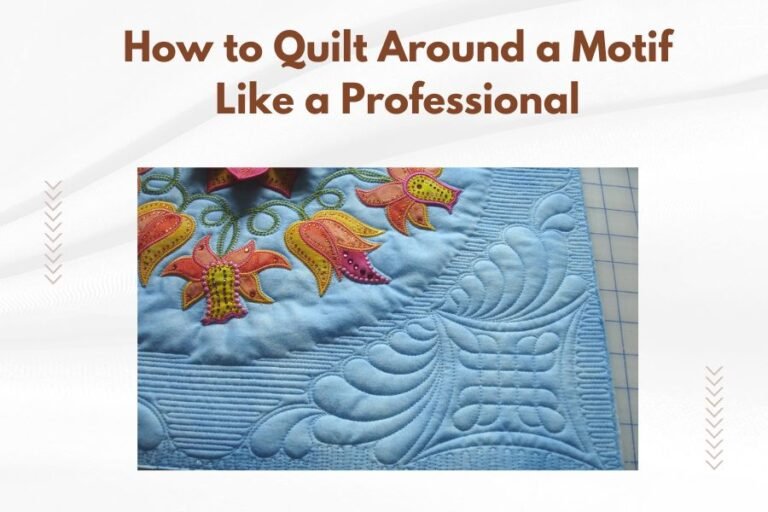
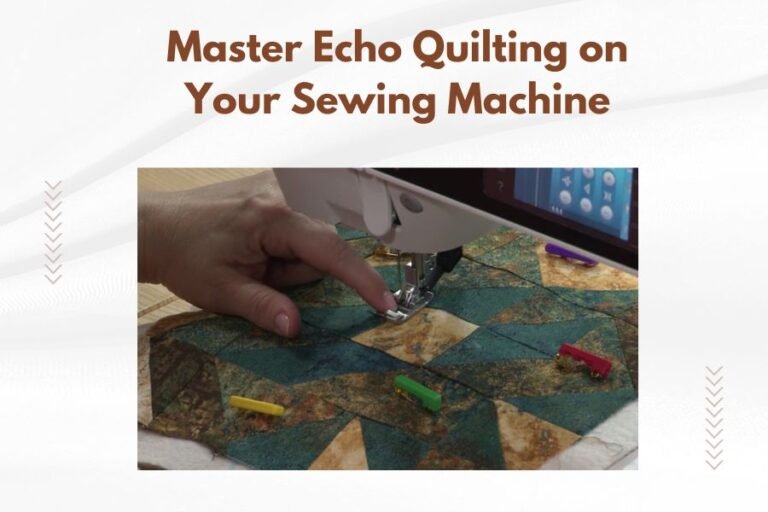
Free Motion Quilting Problems
Free motion work puts different stresses on needles. Without feed dogs controlling movement, inconsistent speed and direction changes can cause problems.
Keep your movements smooth and maintain steady speed. Jerky motions stress the needle from multiple angles.
Embroidery and Decorative Stitching
Dense embroidery stitches can heat up and stress needles. Take breaks during long decorative sections to let everything cool down.
Use embroidery needles for machine embroidery – they’re designed to handle the rapid up-and-down motion.
Applique Work
Multiple fabric layers plus interfacing can overwhelm standard needles. Size up your needle when working with applique.
Raw edge applique is especially tough on needles because of the dense stitching through multiple layers.
When to Replace Your Needle
Even if your needle isn’t broken, it might need replacing.
Signs of a Worn Needle
Dull needles cause more problems than broken ones. Watch for:
- Popping sounds when sewing
- Skipped stitches
- Pulls or runs in knit fabrics
- Frayed thread
I found that many quilting instructors recommend changing needles after 8-10 hours of sewing time, regardless of how they look.
Project-Based Replacement
Start each major project with a fresh needle. This simple habit prevents most needle-related frustrations.
Keep a few different sizes and types on hand so you’re always prepared.
Prevention Tips That Actually Work
An ounce of prevention beats a pound of bent needles every time.
Test First
Before diving into your project, test your needle and thread combination on scraps. This reveals problems before they matter.
Use the same number of fabric layers you’ll have in your actual project.
Go Slow on Challenging Areas
Thick seams, curves, and intersections all deserve extra attention. Slow down and let your machine work through them properly.
Your finished project will look better, and your needles will last longer.
Conclusion
Needle bending doesn’t have to be part of your sewing experience. Most causes trace back to mismatched needles and fabric, sewing too fast, or hitting obstacles like pins.
Choose the right needle size for your fabric weight. Remove pins before your needle reaches them. Slow down when things get thick or tricky. Keep your machine clean and well-maintained.
These simple changes will save you frustration, time, and money. Your projects will turn out better too, because consistent stitching starts with a healthy needle doing its job properly.
Remember – needles are consumable supplies, not lifetime investments. Change them regularly and choose the right type for each project. Your sewing machine will thank you with smooth, reliable performance.
Why does my needle keep breaking when sewing denim?
Denim requires a heavy-duty needle (size 100-110) and slower sewing speed. Regular needles bend and break because they can’t penetrate the tight weave. Also check that you’re not sewing over pins or thick seam intersections too quickly.
Can I straighten a bent needle and keep using it?
No, never try to straighten and reuse a bent needle. Even if it looks straight again, the metal is weakened and will likely break during use, potentially damaging your machine or fabric. Always replace bent needles immediately.
How often should I change my sewing machine needle?
Replace your needle after every 8-10 hours of sewing time, or at the start of each new major project. If you hear popping sounds or notice skipped stitches, change it immediately regardless of how long you’ve been using it.
What’s the difference between universal and ballpoint needles?
Universal needles have a slightly rounded point that works for most woven fabrics. Ballpoint needles have a more rounded tip that slides between fibers in knit fabrics instead of piercing them, preventing runs and snags in stretchy materials.
Why does my needle break only when doing free motion quilting?
Free motion quilting puts different stress on needles because you control the fabric movement instead of the feed dogs. Inconsistent speed, jerky movements, or pulling the fabric can cause needle deflection and breakage. Practice smooth, steady movements at consistent speed.