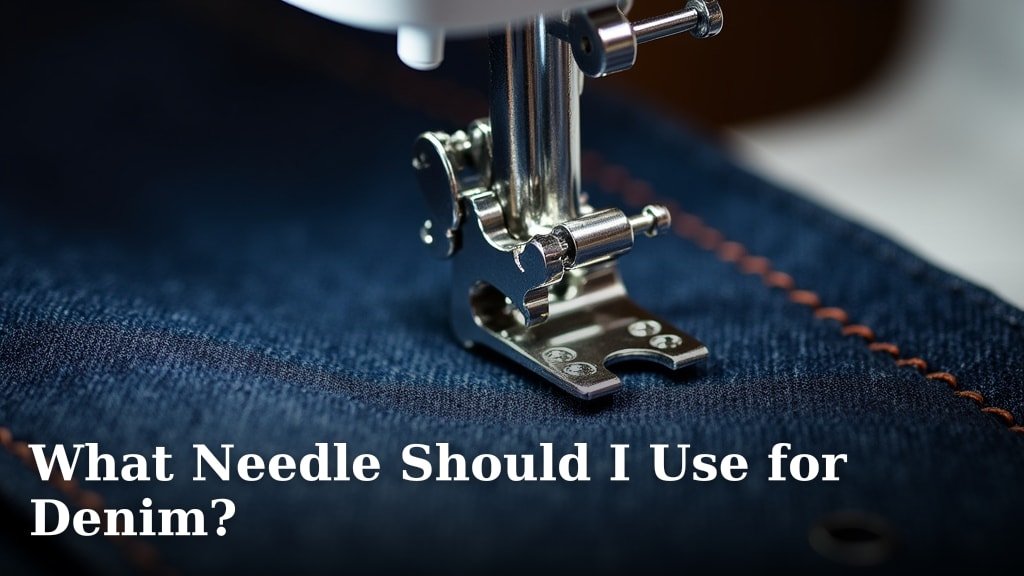
When you’re sewing denim, you need a strong needle designed to handle its thick weave. The best needle to use for denim is a denim needle, also known as a jeans needle. These needles have a sharper point and a stronger shaft than standard sewing needles, making them perfect for piercing multiple layers of heavy fabric like denim without bending or breaking.
Choosing the right needle is key to a smooth sewing experience. Using a standard needle on denim can lead to skipped stitches, broken needles, and frustrated sewing sessions. A proper denim needle ensures your machine can easily push through the sturdy fibers, giving you clean, professional-looking seams. Remember, the right needle makes a huge difference in your project’s success.
- Use a denim needle for sewing jeans and other heavy denim.
- These needles have a sharper point and a stronger shaft.
- They prevent skipped stitches and broken needles.
- They handle thick fabrics like denim with ease.
Let’s get into the specifics of why denim needles are so important and how to pick the perfect one for your next denim project.
Picking the Right Needle for Your Denim Projects
So, you’ve got a denim project ready to go. Maybe it’s a pair of jeans that needs hemming, or perhaps you’re crafting a stylish denim jacket. Whatever it is, using the correct sewing needle is absolutely vital. It’s not just about getting the job done; it’s about making sure your machine runs smoothly and your finished product looks fantastic. We’re going to break down exactly what makes a denim needle special and how to choose the best one for your fabric.
Why Denim Needs a Special Needle
Denim is, let’s face it, a tough cookie. It’s a sturdy, tightly woven fabric. This means it puts a lot of stress on your sewing machine’s needle. Standard needles, designed for lighter fabrics, can struggle. They might bend, fray the denim, or even snap under pressure. This often leads to skipped stitches, which is incredibly frustrating. You might end up with uneven seams or have to stop and re-thread your machine constantly. A denim needle, however, is built for this challenge. It’s engineered to pierce through those dense fibers with ease.
The Anatomy of a Denim Needle
What makes a denim needle so different from the ones you might use for cotton or linen? It comes down to a few key features that are a direct response to denim’s thickness and density. Think of it like choosing the right tool for a specific job – you wouldn’t use a butter knife to cut steak, right? The same logic applies here. These design elements ensure that the needle can handle the fabric without causing damage to either the needle or your machine.
The Sharp Point
One of the most critical differences is the point. Denim needles have a sharper point than most other sewing needles. This sharpness is essential for cleanly piercing the tightly woven threads of denim. A sharper point can easily penetrate the fabric without snagging or pushing threads aside. This reduces the risk of skipped stitches and ensures a neat, consistent seam. Many experts recommend a sharp point for this very reason (Sewing World Magazine).
The Strong Shaft
Beyond the point, the shaft of a denim needle is also much stronger. The shaft is the long, slender part of the needle that goes into your sewing machine. Denim can put a lot of lateral pressure on the needle as it passes through multiple layers. A standard needle might bend or even break under this kind of force. The reinforced shaft of a denim needle prevents bending and breakage, giving you a more stable sewing experience. This strength is key when you’re sewing through thick waistbands or overlapping seams.
The Eye of the Needle
While not as dramatic as the point or shaft, the eye of a denim needle is also designed with thick threads in mind. It’s often slightly larger than the eye on a universal needle. This is helpful if you’re using thicker threads, like those often used for topstitching jeans. A larger eye makes it easier to thread, especially when you’re working with a thread that might fray easily. It helps prevent the thread from snagging as it passes through.
Denim Needle Sizes: What’s the Best Gauge?
When you head to the sewing store or browse online, you’ll see denim needles come in various sizes, often referred to as a “weight” or “gauge.” The number indicates the diameter of the needle. A higher number means a thicker needle. For denim, you’ll typically want a thicker needle to handle its density. Standard sewing needles often range from 8 to 11. For denim, you’ll generally look for needles in the 14 to 18 range.
Common Sizes for Denim
Let’s break down what those numbers mean for your denim projects:
- Size 14 (80/12): This is a good starting point for medium-weight denim. Think of lighter wash jeans or denim skirts. It offers a bit more strength than a standard needle but is still quite versatile.
- Size 16 (90/14): This size is a workhorse for most denim sewing. It’s excellent for typical jean fabric, denim shirts, and jackets. It provides a good balance of piercing power and thread-carrying capacity. Many sewing machine manuals suggest this size for heavier fabrics.
- Size 18 (100/16): When you’re tackling really thick denim, like heavy-duty work pants, multiple layers of seams, or even canvas, a size 18 needle is your best friend. It’s the thickest common denim needle and can handle the most challenging fabrics.
When to Size Up or Down
The general rule is: thicker fabric, thicker needle. However, consider the thread you’re using too. If you’re using a very fine thread for delicate topstitching on lightweight denim, you might get away with a size 14 or even a 12. But for general construction with standard polyester or cotton threads, a 14 or 16 is usually spot on. If you find your machine is struggling or you’re getting skipped stitches, try going up one needle size. If the needle is creating too large a hole in a lighter denim, try going down one size.
Beyond the Denim Needle: Other Options
While a dedicated denim needle is your top choice, there are a couple of other needle types that can sometimes do the job, depending on your fabric and thread. It’s good to be aware of them, just in case you’re in a pinch or working with a specific type of denim.
Leather Needles
Leather needles have a chisel point, which is designed to cut through leather. While they can pierce denim, this cutting action can sometimes damage the fibers of the denim, especially if it’s a softer variety. They are generally not recommended for regular denim sewing because they can leave a more visible hole and potentially weaken the fabric over time. Think of it as using a knife versus a sharp pin – the knife cuts, the pin pierces.
Quilting Needles
Some quilters use specialized quilting needles. These are often very strong and have a sharp point. While they can be good for denim, a true denim needle is usually preferred for its specific design to handle the weave and thickness of denim. A quilting needle might work if you’re using a lighter denim and a finer thread, but it’s not the primary recommendation.
Universal Needles
Universal needles are designed for a wide range of fabrics. They have a slightly rounded point. For very light denim or if you’re only sewing a single layer, a universal needle in a larger size (like 14 or 16) might work. However, they are much more likely to cause skipped stitches or damage on heavier denim or when sewing through multiple layers compared to a denim needle. It’s really a last resort for denim projects.
How to Choose the Best Needle for Your Denim Project
To make sure you get the best results, here’s a quick checklist:
- Identify your denim’s weight: Is it a thin, lightweight chambray, a standard jean fabric, or a super thick, rigid denim?
- Consider your thread: Are you using a standard polyester thread, a thicker cotton thread, or a specialty topstitching thread?
- Check your machine manual: Many sewing machines will recommend specific needle types and sizes for different fabrics.
- When in doubt, go for a denim needle: This is your safest bet for most denim projects.
- Start with size 16: This is a great all-around size for typical denim.
- Size up for thicker fabrics: If your needle is bending or breaking, or you have lots of layers, try an 18.
A Quick Comparison of Needle Types for Denim
Here’s a simple table to help you visualize the differences:
| Needle Type | Best For | Pros for Denim | Cons for Denim |
|---|---|---|---|
| Denim Needle | All types of denim | Strong shaft, sharp point, handles multiple layers, fewer skipped stitches | None (when used correctly) |
| Leather Needle | Leather, very thick materials | Pierces tough materials | Cutting point can damage denim fibers; not ideal for fabric. |
| Universal Needle | General sewing, light fabrics | Versatile for lighter materials | May skip stitches or break on thick denim; not strong enough for dense weaves. |
Putting It All Together: Your Sewing Success
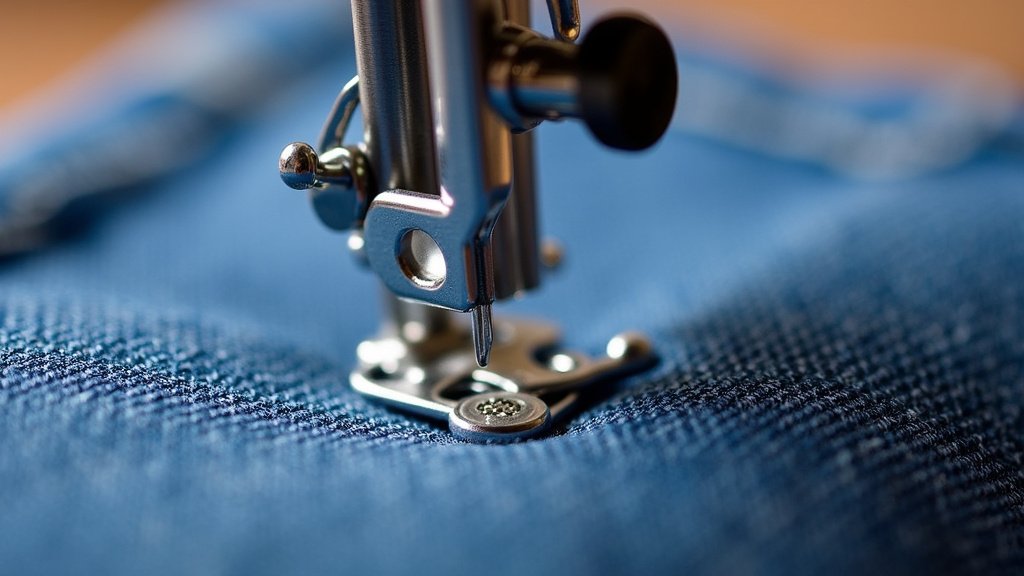
Choosing the right needle might seem like a small detail, but it has a huge impact on your sewing experience and the final outcome. A denim needle is specifically designed to overcome the challenges that denim presents. By selecting the correct size and type, you’ll ensure your sewing machine runs smoothly, your stitches are clean and consistent, and your finished denim projects look professionally made. Don’t underestimate the power of the right needle!
Conclusion
You’ve learned that denim requires a special touch, and the right needle is your secret weapon. A dedicated denim needle, with its sharp point and strong shaft, is designed to conquer tough fabrics. Choosing the correct size, usually between 14 and 18, ensures your sewing machine runs smoothly and your projects look professionally made. Don’t let skipped stitches or broken needles derail your creative flow. Now that you know the ‘why’ and ‘how,’ grab a denim needle and confidently tackle your next jeans, jacket, or bag project!
Frequently Asked Questions
Can I use a regular sewing needle on denim?
While you might get away with it on very light denim or for a single seam, a regular universal needle is not ideal for most denim projects. Its weaker shaft and less sharp point are prone to bending, breaking, and causing skipped stitches in the dense weave of denim. It’s best to use a needle specifically designed for heavy fabrics.
How do I know if I need a size 16 or 18 denim needle?
Consider the weight of your denim and how many layers you’re sewing through. A size 16 needle is excellent for standard jeans fabric and jackets. If you’re working with very thick, rigid denim, multiple thick seams (like waistbands or pockets), or even canvas, a size 18 needle will provide the necessary strength to prevent breakage and skipped stitches.
What’s the difference between a denim needle and a jeans needle?
There is no difference! Denim needles and jeans needles are the exact same thing. Both terms refer to a sewing machine needle specifically engineered with a stronger shaft and a sharper point to pierce through thick, tightly woven denim fabrics without bending or breaking.
Will a denim needle work for other heavy fabrics?
Yes, a denim needle is a great choice for many other heavy fabrics besides denim. Think about sewing with canvas, twill, upholstery fabric, or even multiple layers of cotton. The strength and sharpness of a denim needle make it well-suited for piercing through these dense materials, just as it is for denim.
What thread should I use with a denim needle?
A denim needle’s eye is often slightly larger to accommodate thicker threads. For durable seams on denim, you’ll typically want to use a strong polyester thread or a dedicated denim thread. If you’re doing decorative topstitching, a thicker buttonhole or topstitching thread can also be used, and the larger eye of the denim needle will make threading easier.
