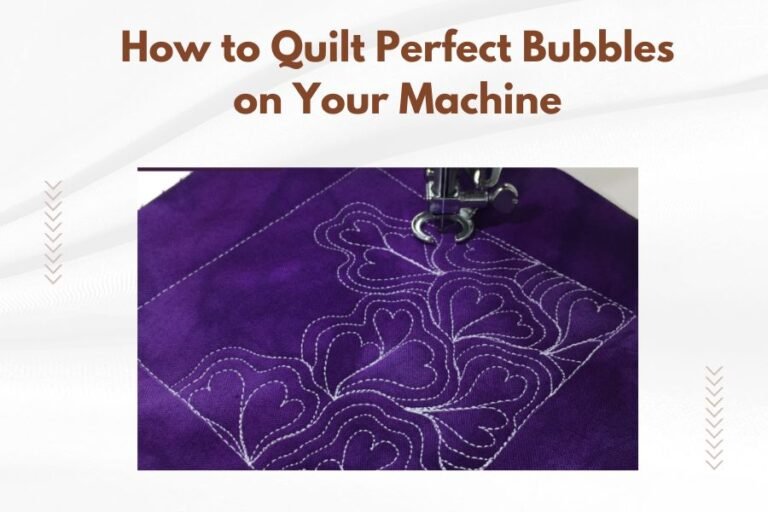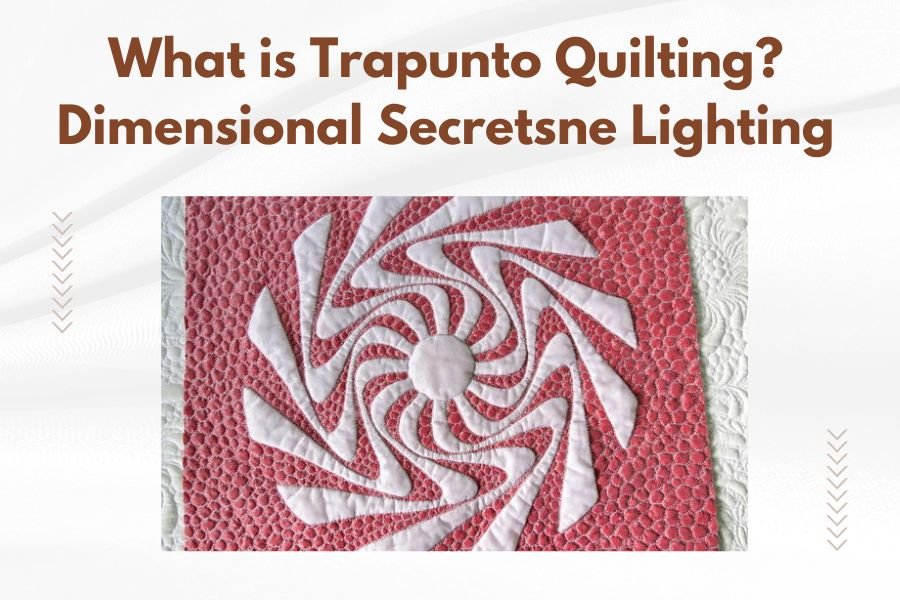
Trapunto quilting is a technique that creates raised, dimensional designs by stuffing specific areas of the quilt with extra batting or yarn through small openings.
This Italian-originated method transforms flat quilts into sculptural art pieces by making selected patterns stand out dramatically from the quilt surface.
The Magic Behind Trapunto’s Dimensional Effect
Think of trapunto like making a pillow within your quilt. You create pockets in certain design areas, then fill them with stuffing material. The result? Your flowers pop out. Your hearts bulge forward. Your geometric patterns become touchable sculptures.
The word “trapunto” comes from the Italian verb “trapungere,” meaning “to quilt through.” Italian quilters perfected this technique centuries ago. They wanted their bedcovers to tell stories you could feel with your hands.
How Trapunto Differs from Regular Quilting
Regular quilting keeps everything flat and even. You stitch through all layers uniformly. Trapunto breaks that rule on purpose.
You work with extra layers in select spots. You create intentional lumps and bumps. The contrast between raised and flat areas creates visual drama.
Essential Materials for Trapunto Success
Starting trapunto doesn’t require exotic supplies. You probably own most items already.
Fabric Choices That Work Best
Cotton works beautifully for trapunto projects. It holds its shape well and doesn’t stretch too much when stuffed.
Solid colors show off the dimensional effects better than busy prints. Light colors make the shadows and highlights more dramatic.
- 100% cotton for top and backing layers
- Muslin for the middle working layer
- Silk for advanced projects (shows dimension beautifully)
- Avoid stretchy knits or loose weaves
Batting and Stuffing Options
Your choice of stuffing material affects the final look. Different options create different effects.
Polyester batting gives soft, rounded shapes. Cotton batting creates firmer edges. Wool batting offers natural loft and breathability.
- Loose polyester fiberfill for soft curves
- Yarn for linear designs
- Small batting pieces for geometric shapes
- Cotton cord for defined outlines
Thread Selection Tips
Match your thread to your fabric color for invisible stitching. Or choose contrasting colors to highlight the quilting lines.
Cotton thread works well for most projects. Polyester thread adds strength for heavily stuffed areas.
Two Main Trapunto Methods Explained
You can approach trapunto two different ways. Each method has its place depending on your design goals.
Traditional Stuffed Trapunto
This method stuffs enclosed shapes from the back. You create a pocket by stitching around your design outline.
Then you make a small slit in the backing fabric. Push stuffing through this opening. The front fabric puffs up while the back stays neat.
I found that experts recommend this method for flowers, hearts, and circular designs. The stuffing distributes evenly in rounded shapes.
Step-by-Step Process
- Layer your top fabric over muslin backing
- Stitch completely around your design outline
- Make a tiny slit in the muslin backing only
- Insert stuffing through the slit using a blunt tool
- Whipstitch the slit closed
Corded Trapunto Technique
This method threads yarn or cord through quilted channels. You create parallel stitching lines, then insert cord between them.
Linear designs work perfectly with this approach. Think stems, vines, geometric borders, or Celtic knotwork patterns.
The cord gives consistent width and height along the entire design line. You get clean, defined edges.
Corded Application Steps
- Stitch two parallel lines where you want the cord
- Thread a tapestry needle with yarn or thin cord
- Insert the needle between fabric layers at one end
- Pull the cord through the channel
- Secure cord ends by backstitching over them
Planning Your First Trapunto Project
Starting simple leads to better results. Complex designs can overwhelm beginners.
Design Selection Guidelines
Choose designs with clear, enclosed shapes for your first project. Simple flowers work well. So do hearts, stars, or basic geometric forms.
Avoid intricate patterns with tiny details. Small shapes don’t stuff well and create more frustration than beauty.
Beginner-Friendly Patterns
- Single large flower with 5-6 petals
- Heart shapes 3 inches or larger
- Simple leaf designs
- Basic Celtic circles
- Geometric medallions
Size Considerations
Bigger shapes stuff easier than tiny ones. Aim for design elements at least 2 inches across for your first attempts.
Small details get lost when stuffed. They also challenge your stitching accuracy and stuffing control.
Common Trapunto Challenges and Solutions
Every quilter faces similar obstacles when learning trapunto. Knowing what to expect helps you solve problems faster.
Preventing Puckering Problems
Puckering happens when your top fabric pulls tight around stuffed areas. The surrounding fabric wrinkles and distorts.
Keep your fabric layers smooth while stitching. Don’t pull too tight on your thread. Let the fabric relax naturally around the stuffed shape.
Tension Control Tips
- Use a quilting hoop to maintain even tension
- Check fabric smoothness before each new stitching line
- Stuff gradually, not all at once
- Test tension on fabric scraps first
Achieving Even Stuffing Distribution
Lumpy, uneven stuffing ruins the dimensional effect. Some areas puff too much while others stay flat.
Use small amounts of stuffing at a time. Spread it evenly with a blunt tool like a knitting needle or chopstick.
Work the stuffing into corners and edges. These areas often get missed, leaving hollow-looking shapes.
Advanced Trapunto Techniques
Once you master basic trapunto, these advanced methods add more sophistication to your work.
Layered Dimensional Effects
Create depth by varying stuffing amounts in different design areas. Background elements get light stuffing. Foreground features get more dramatic raising.
This layering mimics how artists create depth in paintings. Your eye naturally focuses on the highest elements first.
Combining Trapunto with Other Techniques
Trapunto plays well with other quilting methods. Try adding echo quilting around your raised designs.
Free-motion quilting in background areas makes trapunto shapes pop forward even more. The contrast in texture adds visual interest.
Technique Combinations That Work
- Trapunto flowers with echo-quilted backgrounds
- Corded borders with stipple-quilted centers
- Raised appliqué with trapunto details
- Shadow quilting combined with selective stuffing
Caring for Trapunto Quilts
Dimensional quilts need special care to maintain their shape and beauty over time.
Washing Considerations
Hand washing protects the stuffed areas best. Machine washing can shift or compress the stuffing.
If you must use a machine, choose the gentlest cycle. Use cool water and mild detergent. Skip the fabric softener, which can make fabrics slippery.
Storage and Display Tips
Store trapunto quilts flat when possible. Folding can create permanent creases in stuffed areas.
For display, rotate your quilts periodically. Constant light exposure can fade fabrics unevenly.
Troubleshooting Guide
When things go wrong, don’t panic. Most trapunto problems have simple fixes.
| Problem | Cause | Solution |
|---|---|---|
| Stuffing shows through fabric | Fabric too thin or loose weave | Add extra fabric layer or use tighter weave |
| Shapes look flat after stuffing | Not enough stuffing material | Add more stuffing gradually through existing slit |
| Fabric tears around stitching | Thread tension too tight | Loosen tension and reinforce with small stitches |
| Uneven puffing | Stuffing clumped in one area | Redistribute stuffing with blunt tool |
Conclusion
Trapunto quilting transforms flat fabric into dimensional art that begs to be touched. This ancient Italian technique adds sculptural beauty to any project, from small wall hangings to full-sized bed quilts.
Start with simple shapes and basic stuffing techniques. Master the fundamentals before attempting complex designs. Remember that even experienced quilters sometimes struggle with tension and stuffing distribution.
Your first trapunto project might not look perfect, and that’s completely normal. Each piece teaches you something new about controlling fabric, managing stuffing, and creating the dimensional magic that makes trapunto so special.
Whether you choose traditional stuffed methods or corded techniques, trapunto adds a unique element to your quilting skills. The tactile quality and visual drama make every finished project a conversation starter and treasured heirloom.
What’s the difference between trapunto and regular quilting?
Regular quilting keeps all layers flat and even, while trapunto intentionally creates raised, dimensional areas by adding extra stuffing to specific design elements. This creates contrast between flat and puffy sections for dramatic visual and tactile effects.
Can beginners learn trapunto quilting successfully?
Yes, beginners can learn trapunto by starting with simple, large shapes like flowers or hearts. The key is choosing designs at least 2-3 inches across and practicing on scraps before working on your main project. Basic sewing skills and patience are the main requirements.
What type of batting works best for trapunto projects?
Loose polyester fiberfill works best for stuffed trapunto because it’s easy to insert through small openings and creates soft, rounded shapes. For corded trapunto, use cotton yarn or thin cord that slides easily through fabric channels without creating bulk.
How do you prevent fabric from puckering around stuffed areas?
Prevent puckering by maintaining even tension while stitching, using a quilting hoop for stability, and stuffing gradually rather than forcing large amounts through at once. Keep surrounding fabric smooth and relaxed, avoiding overly tight thread tension.
Can trapunto quilts be machine washed safely?
Hand washing protects trapunto quilts best, but gentle machine washing is possible using cool water, mild detergent, and the delicate cycle. Avoid fabric softener and harsh agitation that might shift or compress the dimensional stuffing. Always air dry flat to maintain shape.