
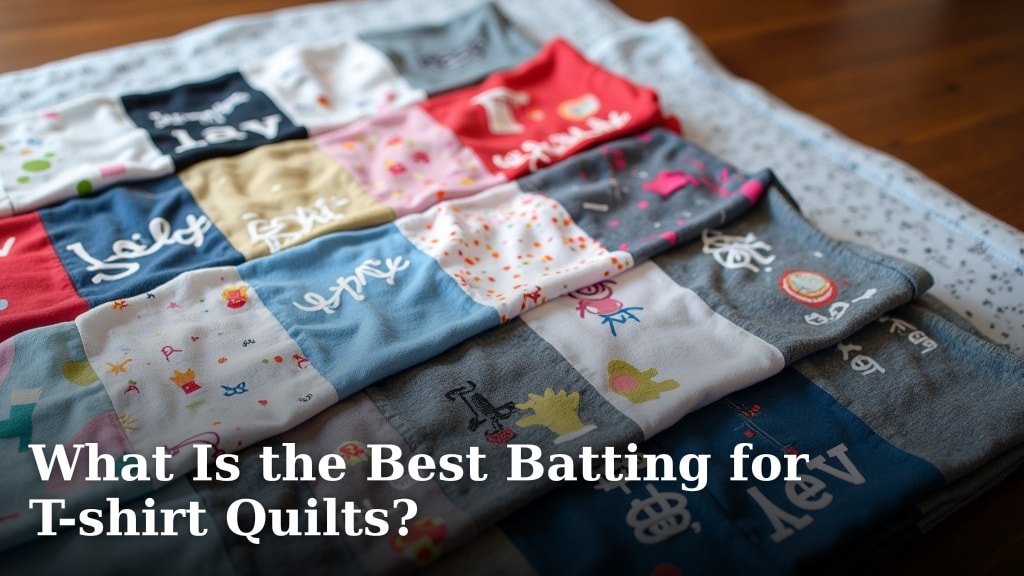
The best batting for t-shirt quilts is generally 100% cotton batting. This type offers a good balance of stability and softness for your keepsake quilt. Cotton batting also breathes well and gets softer with each wash, making it a popular choice for t-shirt quilts.
When choosing batting, consider how the t-shirt fabric will interact with it. T-shirt material can be stretchy. A stable batting like cotton helps to manage that stretch. You’ll want batting that provides just enough loft without making the quilt too bulky. This ensures your t-shirt memories lay flat and look their best.
- 100% cotton is usually the top choice.
- It provides a good mix of support and comfort.
- Cotton batting ages well, getting softer over time.
- It helps manage the stretch of t-shirt fabric.
Let’s dive into the different types of batting and why cotton often wins for your special t-shirt quilt project.
Choosing the Right Batting for Your T-Shirt Quilt
You’ve got a stack of t-shirts, each holding a special memory. Now you want to turn them into a quilt. The batting is like the heart of your quilt. It gives it warmth and shape. But with so many options, how do you pick the best one? We’re here to guide you. Let’s look at what makes batting work well for t-shirt quilts.
Understanding Quilt Batting: More Than Just Stuffing
Batting is the middle layer of your quilt sandwich. It goes between your t-shirt top and the backing fabric. Think of it as the cozy filling. Its main job is to add warmth and loft. Loft refers to how puffy or thick the batting is. The right batting supports your t-shirt blocks. It keeps them from looking droopy. It also helps your quilt have a nice drape. This means it hangs and folds smoothly.
When we talk about t-shirt quilts, we need to consider the fabric. T-shirts are often made of knit material. This makes them stretchy. A good batting needs to handle this stretchiness. It should provide enough stability without making the quilt stiff. You want your quilt to feel soft and huggable, right?
Key Factors When Selecting T-Shirt Quilt Batting
Several things matter when you choose batting for your project. You want something that works with the t-shirt fabric. It should be easy to work with during quilting. And, of course, it needs to feel good when the quilt is finished.
Fabric Content: The Heart of the Batting
Batting comes in different fiber types. Cotton, polyester, bamboo, and wool are common. Each has its own feel and properties. For t-shirt quilts, cotton batting often gets the nod. Why? It offers a great balance of what you need.
Loft and Density: How Thick Should It Be?
Loft is how thick the batting is. High-loft batting is puffy. Low-loft batting is flatter. T-shirt quilts generally do best with low to medium loft. Too much loft can make your t-shirt graphics disappear. It can also make the quilt too bulky. This makes it hard to quilt and less comfortable to use. Density refers to how tightly the fibers are packed. A denser batting offers more stability. This is good for stretchy t-shirts.
Breathability and Washability: Keeping Memories Fresh
Your t-shirt quilt will likely be used and loved. This means it will need washing. Good batting should be breathable. This helps prevent the quilt from feeling too hot. It also helps the quilt feel fresh. Cotton batting is known for being breathable. It also gets softer with every wash. This is a big plus for a keepsake like a t-shirt quilt. Polyester batting can also be a good choice for washability.
A Closer Look at Popular Batting Types for T-Shirt Quilts
Let’s break down the most common types of batting. We’ll see how they stack up for your special t-shirt project.
100% Cotton Batting: The Go-To Choice
We often hear that We often hear that 100% cotton batting is the best for t-shirt quilts, and our guide explains what batting is made of.100% cotton batting is the best for t-shirt quilts. There are good reasons for this. Cotton provides a nice, stable base. This is super helpful for managing the stretch of t-shirt knits. Cotton batting has a lower loft. This means your t-shirt designs will stand out clearly. It also quilts beautifully. Many quilters love how cotton feels. It’s natural and gets wonderfully soft over time.
When you wash a cotton quilt, it tends to shrink a little. This is called “crankling.” Many quilters find this adds to the quilt’s charm. It gives it that lovely, traditional, slightly puckered look. Research shows cotton is also a breathable fiber. This makes the quilt comfortable for year-round use (National Cotton Council of America).
Cotton/Polyester Blends: A Versatile Option
Blends offer a mix of properties. A common blend is cotton and polyester. These blends can offer the breathability of cotton with the durability and wrinkle-resistance of polyester. Some blends have a bit more loft than 100% cotton. This can be good if you like a puffier quilt. However, you need to watch the loft. Too high, and your t-shirt graphics might get lost.
Polyester batting is very stable. It doesn’t shrink much. This can be an advantage if you want a quilt that looks very smooth. It’s also very lightweight and can be warm. Many experts suggest blends can be a good middle ground if you’re unsure. You get some of cotton’s softness with polyester’s easy care.
Polyester Batting: The Stable Workhorse
Polyester batting is known for its stability. It’s a synthetic fiber. It doesn’t stretch much at all. This can be a real help with very stretchy t-shirt material. Polyester batting is also very lightweight. It can be quite warm. It also resists mildew and moisture. This makes it a durable choice.
Polyester batting is often available in different lofts. You can find very thin options. This is great for preserving the details of your t-shirt designs. On the downside, some people find polyester batting less breathable than cotton. It can also have a slightly “slippery” feel. This might make it a bit trickier to quilt with, especially if you’re new to it. It doesn’t have that lovely soft aging quality that cotton develops.
Bamboo Blends: A Softer, Eco-Friendlier Choice
You might see batting made with bamboo. Bamboo blends often mix bamboo with cotton or polyester. Bamboo fibers are naturally soft and have a lovely drape. They are also known for being breathable. This can create a very luxurious feeling quilt. Bamboo batting tends to be a bit lighter than pure cotton. It can also have a slight sheen.
Bamboo batting can be a bit more expensive. It’s a good option if you’re looking for something soft and eco-friendly. Just be sure to check the blend. A higher cotton or polyester content will add more stability. This is important for t-shirt quilts. We found that bamboo blends often have a medium loft. This is usually a good range for t-shirt projects.
Comparing Batting for Your T-Shirt Quilt Project
Let’s put the key features side-by-side to help you decide. This table summarizes what we’ve discussed:
| Batting Type | Pros for T-Shirt Quilts | Cons for T-Shirt Quilts | Typical Loft |
|---|---|---|---|
| 100% Cotton | Stable, soft, breathable, quilts beautifully, gets softer with washing, good drape. | Can shrink slightly (crankling), can be heavier than synthetics. | Low to Medium |
| Cotton/Poly Blend | Good balance of softness and stability, durable, less prone to wrinkling than pure cotton. | Loft can vary, might not get as soft as pure cotton over time. | Medium |
| 100% Polyester | Very stable, lightweight, warm, resists mildew, durable, doesn’t shrink. | Can feel less breathable, might be slippery to quilt, doesn’t soften with age. | Low to High (varied) |
| Bamboo Blend | Very soft, breathable, good drape, eco-friendly option. | Can be more expensive, loft needs checking, stability depends on blend. | Medium |
Tips for Quilt Batting Success with T-Shirts
Here are a few more pointers to help you choose and use batting wisely for your t-shirt quilt.
Consider Your T-Shirt Fabric Stability
Some t-shirt material is stretchier than others. If your shirts are very stretchy, you’ll want a more stable batting. Cotton or a cotton-poly blend with good density would be excellent choices. This helps prevent your t-shirt blocks from getting distorted during quilting. Many sources recommend fusible interfacing on the back of t-shirts first. This adds stability to the t-shirt itself, making any batting work better.
Pre-Washing Your Batting?
For cotton and cotton blends, it’s often recommended to pre-wash your batting. This accounts for any shrinkage. It also removes any dust or sizing from the manufacturing process. If you don’t pre-wash cotton batting and it shrinks later, it can cause your quilt to pucker. Polyester batting usually doesn’t need pre-washing. Always check the manufacturer’s instructions!
The “Quilt Sandwich” Stability Test
Before you commit to batting for your whole quilt, do a little test. Cut a small square of your t-shirt fabric and a piece of your chosen batting. Layer them together. Try stretching it gently. Does it distort too much? Does the batting feel like it’s holding up well? This simple test can save you headaches later.
Your T-Shirt Quilt Batting Checklist
Ready to make your choice? Keep these quick tips in mind:
- Aim for low to medium loft. This keeps t-shirt graphics clear.
- Prioritize stability, especially with stretchy t-shirts.
- 100% cotton is a superb choice for softness and breathability.
- Cotton-poly blends offer a good mix of benefits.
- Consider washability for long-term enjoyment.
- Test a small sample if you’re unsure about a batting type.
Conclusion
You’ve learned that 100% cotton batting is often the ideal choice for your t-shirt quilt. It offers the perfect blend of stability for those stretchy t-shirt knits and a comforting softness. Remember to consider low to medium loft to keep your cherished graphics clear and the quilt from becoming too bulky. Cotton’s breathability and how it softens with washing make it a wonderful option for a keepsake you’ll use for years. Take your time, consider your specific t-shirt materials, and choose the batting that will best bring your memories to life.
Frequently Asked Questions
Will cotton batting make my t-shirt quilt shrink too much?
Cotton batting does tend to shrink slightly upon the first wash, often called “crankling.” This shrinkage is usually minimal and adds a lovely, traditional texture. Pre-washing your cotton batting before you start quilting can help manage this shrinkage and prevent puckering in your finished quilt.
Can I use polyester batting if my t-shirts are very stretchy?
Yes, polyester batting is a very stable option. Its lack of stretch can be very helpful if you have extremely stretchy t-shirt material. While it might not offer the same natural softness as cotton, its stability makes it a practical choice for managing difficult fabrics.
What is “loft” and why does it matter for t-shirt quilts?
Loft refers to the thickness or puffiness of the batting. For t-shirt quilts, a low to medium loft is generally best. High loft can make your t-shirt designs appear buried or distorted. It can also create a quilt that is too bulky and less comfortable for everyday use.
Is it okay to mix batting types if I can’t find exactly what I want?
It’s generally best to stick to one type of batting for your entire quilt. Mixing different batting types can lead to uneven shrinkage and quilting. You might notice some areas puffing up more than others. Using a single, consistent batting type ensures a uniform look and feel.
How do I know if my batting is stable enough for t-shirt fabric?
You can test stability by creating a small “quilt sandwich” with a piece of your t-shirt fabric, your chosen batting, and a backing scrap. Gently stretch the sample. If the t-shirt fabric distorts significantly or the batting feels like it’s pulling apart, it might not be stable enough. More densely packed cotton or cotton-poly blends are often good, stable choices.
