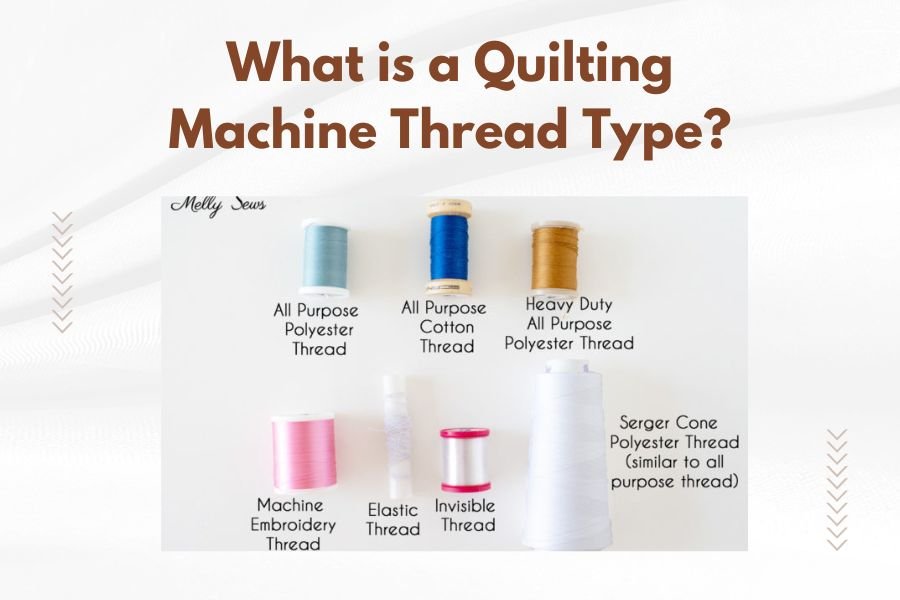
Quilting machine thread type refers to the specific category and material composition of thread designed for machine quilting, including cotton, polyester, rayon, and specialty threads.
Each quilting machine thread type serves different purposes based on your project needs, fabric weight, and desired durability.
You’re probably staring at dozens of thread options right now, wondering which one won’t turn your beautiful quilt into a tangled mess. I get it. Thread choice can make or break your quilting project.
Think of thread as the foundation of your quilt. Just like you wouldn’t build a house on sand, you shouldn’t quilt with the wrong thread type. Let me walk you through everything you need to know.
Main Types of Quilting Machine Thread
From what I researched, there are four primary thread types that quilters use most often. Each has unique strengths and weaknesses.
Cotton Thread
Cotton thread remains the gold standard for many quilters. It’s made from natural cotton fibers and works beautifully with cotton fabrics.
Cotton thread creates less lint than synthetic options. It also ages gracefully with your quilt, developing character over time rather than looking worn out.
You’ll find cotton thread breaks more easily than polyester. It also shrinks slightly when washed, which can affect your quilt’s appearance.
When to Use Cotton Thread
Choose cotton thread for traditional quilts, heirloom pieces, and projects using 100% cotton fabric. It’s perfect when you want that authentic, classic look.
Polyester Thread
Polyester thread offers superior strength and durability. Many experts say it’s the most versatile option for machine quilting.
This synthetic thread resists fading, stretching, and breaking. It handles high-speed quilting better than natural fibers.
Some quilters find polyester thread creates more static and lint buildup. It can also feel less natural on vintage-style projects.
Best Uses for Polyester Thread
Use polyester thread for utility quilts, children’s quilts, and projects that need frequent washing. It’s ideal for dense quilting patterns and free-motion work.
Rayon Thread
Rayon thread brings gorgeous shine and vibrant colors to your quilting. It’s made from processed plant fibers, giving it unique properties.
The lustrous finish makes decorative stitching pop. Colors stay rich and bright even after multiple washes.
Rayon breaks more easily than cotton or polyester. It requires gentler handling and slower quilting speeds.
Perfect Projects for Rayon Thread
Save rayon thread for decorative elements, appliqué work, and show quilts. It’s fantastic when you want thread to be a design feature.
Specialty Thread Options
Beyond the main three, you’ll find several specialty threads worth knowing about.
Metallic Thread
Metallic thread adds sparkle and glamour to quilts. It’s trickier to work with but creates stunning results.
Use a larger needle and slower speed with metallic thread. It tends to fray and break if you rush.
Silk Thread
Silk thread offers natural luster and incredible strength. It’s expensive but worth it for special projects.
Many quilters reserve silk thread for hand quilting or delicate machine work on precious fabrics.
Thread Weight Explained
Thread weight numbers confuse many quilters. Here’s the simple truth: higher numbers mean thinner thread.
Common quilting weights include 28, 40, 50, and 60. Each serves different purposes in your quilting toolkit.
Heavy Weight Threads (28-30)
Heavy threads create bold, visible stitching lines. They work well for topstitching and decorative elements.
Use heavy threads when you want stitching to stand out as a design feature. They require larger needles and adjusted tension.
Medium Weight Threads (40-50)
Medium weights handle most quilting tasks beautifully. They balance visibility with versatility.
50-weight thread is probably the most popular choice among quilters. It works for piecing, quilting, and general construction.
Fine Weight Threads (60-80)
Fine threads create nearly invisible stitching. They’re perfect for delicate work and dense quilting patterns.
These threads require smaller needles and careful tension adjustment. They can break easily if your machine isn’t properly set up.
Choosing Thread for Your Machine Type
Different quilting machines work better with specific thread types. Your machine’s manual usually provides recommendations.
Domestic Sewing Machines
Home sewing machines typically prefer 40-50 weight threads. They handle cotton and polyester well but may struggle with specialty threads.
Keep tension adjustments minimal with domestic machines. They’re designed for consistent, moderate-weight threads.
Longarm Quilting Machines
Longarm machines can handle a wider variety of thread weights and types. They’re built for continuous, high-volume quilting.
Many longarm quilters prefer polyester thread for its strength and consistency. The machines can handle the higher tensions needed for specialty threads.
Color Selection Strategy
Thread color affects your quilt’s final appearance more than you might expect. Smart color choices enhance your design.
Matching vs. Contrasting
Matching thread colors blend into your fabric, creating subtle texture. Contrasting colors make stitching lines prominent design elements.
Consider your quilt’s purpose when choosing colors. Utility quilts often use neutral matching threads, while art quilts might feature bold contrasts.
Neutral Thread Colors
Gray, beige, and cream threads work with many fabric combinations. They’re safe choices when you can’t decide.
I found that medium gray works surprisingly well on most quilts. It blends without being boring.
Common Thread Problems and Solutions
Even experienced quilters face thread issues. Knowing how to troubleshoot saves time and frustration.
Thread Breaking
Constant thread breaks usually indicate tension problems or wrong needle size. Check your threading path first.
Old or poor-quality thread also breaks frequently. Invest in good thread from reputable brands.
Tension Issues
Uneven stitches often result from improper tension settings. Test on scraps before quilting your project.
Different thread types may need tension adjustments. Keep notes about what works for each thread.
Lint Buildup
Some threads create more lint than others. Clean your machine regularly when using fuzzy or low-quality threads.
Cotton threads typically produce more lint than synthetic options. Plan extra cleaning time accordingly.
Storage and Care Tips
Proper thread storage extends life and prevents problems. Heat, light, and humidity can damage thread over time.
Ideal Storage Conditions
Store thread in a cool, dry place away from direct sunlight. Thread racks work well for organization and protection.
Avoid storing thread in damp basements or hot attics. Temperature extremes can weaken fibers.
Thread Shelf Life
Quality thread lasts for years when stored properly. Cheap thread may deteriorate faster.
Test older threads on scraps before using them on important projects. Weak thread isn’t worth the frustration.
Budget-Friendly Thread Shopping
Good thread doesn’t have to break the bank. Smart shopping strategies help you build a quality collection affordably.
When to Splurge vs. Save
Invest in high-quality thread for heirloom quilts and challenging projects. You can use budget options for practice pieces and utility quilts.
I came across advice from many experts suggesting you buy the best thread you can afford. It really does make quilting more enjoyable.
Building Your Thread Collection
Start with basic colors in your preferred thread type. Add specialty threads as your skills and interests grow.
Sales and bulk buying can help stretch your thread budget. Just make sure you’ll use what you buy.
Conclusion
Understanding quilting machine thread types transforms your quilting experience from frustrating to enjoyable. Cotton offers natural beauty, polyester provides durability, and rayon adds decorative flair. Weight matters as much as material – choose based on your project goals and machine capabilities.
Start with quality 50-weight cotton or polyester thread in neutral colors. Build your collection gradually as you discover your preferences. Remember that good thread is an investment in your quilting success, not an expense.
Your thread choice affects every stitch in your quilt. Choose wisely, and your quilts will thank you with beautiful, lasting results.
What thread weight is best for beginners?
50-weight thread works best for beginners because it’s versatile, easy to handle, and works well for both piecing and quilting on most machines.
Can I use regular sewing thread for quilting?
Regular sewing thread can work for simple quilting, but quilting thread is specifically designed for the stress and demands of quilting stitches and will give better results.
How do I know if my thread is too old to use?
Old thread often feels brittle, breaks easily during use, or has visible fuzzing on the spool. Test it on scraps before using it on your main project.
Should my top and bobbin threads match?
Matching threads work best for most quilting, but you can use different colors intentionally for design effects or when the bobbin thread won’t show on the quilt front.
Why does my thread keep shredding during quilting?
Thread shredding usually happens from using the wrong needle type, incorrect tension settings, or poor-quality thread that can’t handle your machine’s speed and stress.