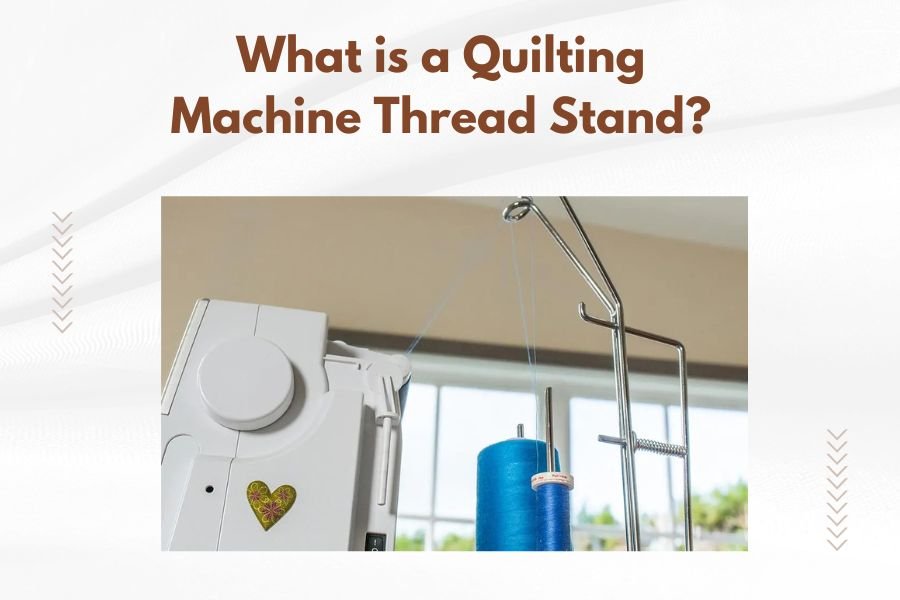
A quilting machine thread stand is a specialized accessory that holds multiple spools of thread upright next to your quilting machine, keeping threads organized and feeding smoothly during quilting projects.
These stands prevent thread tangling, reduce tension issues, and allow you to switch between colors quickly without stopping to hunt for different spools.
Ever tried quilting a complex pattern only to have your thread create a tangled mess? You’re not alone. Thread management can make or break your quilting experience.
When you’re working on detailed quilts, you need multiple thread colors within arm’s reach. A thread stand solves this problem by creating an organized workspace that keeps your creative flow uninterrupted.
How Quilting Machine Thread Stands Work
Think of a thread stand as your personal quilting assistant. It holds thread spools vertically on individual posts, allowing each thread to unwind freely without crossing paths with other colors.
The stand sits beside your quilting machine, usually to the right side. Each spool sits on a separate spindle, and the thread feeds through small guides before reaching your machine’s tension discs.
Most stands hold between 3 to 12 spools, depending on their size. The vertical positioning prevents thread from bouncing around as your machine operates at high speeds.
Thread Flow Mechanics
When your machine pulls thread during stitching, the vertical design allows smooth unwinding. The thread lifts off the spool from above rather than spinning the entire spool sideways.
This vertical feeding reduces stress on the thread fibers. Less stress means fewer breaks and more consistent stitching quality throughout your project.
Types of Quilting Thread Stands
You’ll find several types of thread stands designed for different quilting setups and needs.
Tabletop Thread Stands
These compact stands sit directly on your quilting table or work surface. They typically hold 3 to 6 spools and work well for smaller quilting projects.
Tabletop models are perfect if you have limited space or quilt occasionally. They store easily when not in use and cost less than larger floor models.
Floor-Standing Thread Stands
Floor stands offer more stability and usually hold 8 to 12 spools. They’re ideal for serious quilters who work on large projects requiring many thread colors.
These stands adjust in height to match your quilting setup. The stable base prevents tipping, even when multiple spools are spinning during fast quilting.
Clamp-On Thread Stands
These attach directly to your quilting table edge using a sturdy clamp mechanism. They save floor space while providing excellent stability.
Clamp-on stands work great for permanent quilting stations where you don’t need to move the stand frequently.
Magnetic Thread Stands
Some newer models use magnetic bases to attach to metal quilting frames or tables. They’re portable and easy to reposition as needed.
Benefits of Using a Thread Stand
Research from quilting industry experts shows that organized thread management can reduce project completion time by up to 25%.
Prevents Thread Tangling
When thread spools sit loose on your table, they roll around and create tangles. A thread stand keeps each spool in its designated spot.
You’ll spend less time untangling threads and more time actually quilting. This organization becomes really important during complex patterns requiring frequent color changes.
Improves Thread Tension
Consistent thread feeding leads to better tension control. When thread feeds smoothly from a vertical position, your machine’s tension discs work more effectively.
Better tension means more even stitches and fewer thread breaks. Your finished quilts will have a more professional appearance.
Speeds Up Color Changes
With multiple colors ready on your stand, switching threads becomes a simple grab-and-go process. No more digging through boxes of thread spools.
Quick color changes keep your creative momentum flowing. You won’t lose track of your pattern or make mistakes from interruptions.
Reduces Workspace Clutter
Thread stands clear your work surface of loose spools, scissors, and other small items. A clean workspace helps you focus on your quilting technique.
Choosing the Right Thread Stand Size
The number of spools you typically use determines the stand size you need.
Small Projects (3-6 Spools)
Simple quilts with basic color schemes work fine with smaller thread stands. Baby quilts, wall hangings, and beginner projects usually need fewer colors.
A 6-spool tabletop stand handles most small projects while keeping costs reasonable.
Medium Projects (6-10 Spools)
Bed-sized quilts with multiple fabrics often require 6 to 10 different thread colors. Floor stands or larger tabletop models work best for these projects.
This size range covers most quilting needs without overwhelming your workspace.
Large Projects (10+ Spools)
Complex quilts, especially those with detailed appliqué work or intricate patterns, may need 12 or more thread colors.
Large floor stands provide the capacity for ambitious projects. They’re an investment that pays off for serious quilters.
Expandable Thread Stands
Some stands allow you to add additional spool holders as your needs grow. These modular designs adapt to different project requirements.
Thread Stand Materials and Durability
I found that thread stand materials significantly affect their stability and lifespan.
Metal Thread Stands
Steel or aluminum stands offer the best stability and durability. They resist tipping when multiple spools are in use.
Metal stands cost more initially but last for decades with proper care. They handle heavy thread spools without bending or breaking.
Plastic Thread Stands
Lightweight plastic stands work fine for occasional quilting. They’re portable and budget-friendly for beginners.
However, plastic stands may tip over with larger thread spools or during high-speed quilting. They’re best for lighter threads and slower stitching.
Wood Thread Stands
Wooden stands offer a middle ground between metal durability and plastic affordability. They look attractive in traditional quilting rooms.
Quality varies widely with wooden stands. Hardwood models last longer than softwood versions.
Setting Up Your Thread Stand
Proper setup makes your thread stand work more effectively.
Positioning Your Stand
Place your thread stand on the same side as your dominant hand. Right-handed quilters usually prefer the stand on their right side.
The stand should sit close enough for easy thread access but not so close that it interferes with fabric movement.
Thread Loading Technique
Load heavier spools on lower posts to improve stability. Place frequently used colors on posts closest to your machine.
Leave some empty posts between different thread weights. This prevents lighter threads from getting caught on heavier ones.
Thread Path Guides
Many stands include small guides that direct thread from the spool to your machine. Use these guides to prevent thread from catching on other spools.
Maintenance and Care Tips
Regular maintenance keeps your thread stand working smoothly for years.
Cleaning Your Thread Stand
Dust and lint accumulate on thread stand posts over time. Clean them monthly with a soft cloth or vacuum brush attachment.
Remove any thread bits caught in joints or moving parts. These can cause binding or uneven thread feeding.
Checking for Wear
Inspect spool posts regularly for rough spots or burrs. These can catch thread and cause breaks during quilting.
Sand down any rough areas with fine sandpaper. Replace damaged posts if sanding doesn’t solve the problem.
Storage Considerations
If you store your thread stand between projects, keep it in a dry location. Moisture can cause metal parts to rust or wooden parts to warp.
| Stand Type | Spool Capacity | Best For | Price Range |
|---|---|---|---|
| Tabletop Small | 3-6 spools | Beginner quilters | $25-60 |
| Tabletop Large | 6-10 spools | Medium projects | $60-120 |
| Floor Stand | 8-12 spools | Serious quilters | $100-250 |
| Clamp-On | 4-8 spools | Space-saving setups | $40-100 |
Common Thread Stand Problems
Even good thread stands can develop issues over time. Here’s how to fix common problems.
Thread Keeps Breaking
Check for rough spots on spool posts where thread might catch. Make sure thread feeds smoothly from spool to machine without sharp angles.
Adjust thread tension if breaks continue. Sometimes the thread path creates too much resistance.
Stand Tips Over
Move heavier spools to lower positions on the stand. Consider adding weight to the base or switching to a heavier stand model.
Check that your work surface is level. An uneven table can make stands unstable.
Spools Won’t Spin Freely
Clean lint buildup from spool posts. Apply a tiny amount of sewing machine oil if posts still bind.
Alternatives to Commercial Thread Stands
You can create effective thread organization without buying a commercial stand.
DIY Thread Stand Options
Many quilters make simple stands using wooden dowels and a weighted base. This approach costs less and can be customized for your exact needs.
Empty coffee cans filled with sand make stable bases for homemade stands. Drill holes in the lid to hold dowel posts.
Thread Towers and Racks
Wall-mounted thread racks work well in permanent quilting rooms. They hold more spools than most stands and keep threads visible.
Thread towers that sit on your table provide vertical storage similar to stands but in a more compact footprint.
Conclusion
A quilting machine thread stand transforms your quilting workspace from chaotic to organized. It keeps multiple thread colors ready for use, prevents tangling, and speeds up your quilting process.
Whether you choose a simple tabletop model or an elaborate floor stand depends on your project needs and available space. The key is selecting a stand that matches your quilting style and thread usage patterns.
Start with a basic model if you’re unsure about your needs. You can always upgrade to a larger stand as your quilting skills and project complexity grow.
What’s the difference between a thread stand and a thread rack?
Thread stands hold spools vertically for active use during quilting, while thread racks are primarily for storage and display of your thread collection on walls or shelves.
Can I use a thread stand with any quilting machine?
Yes, thread stands work with any quilting machine since they’re separate accessories that simply organize thread spools near your machine for easier access.
How do I prevent my thread stand from tipping over?
Place heavier spools on lower posts, ensure your work surface is level, and consider adding weight to the stand’s base or choosing a heavier model.
Do I need different stands for different thread weights?
One thread stand can handle various thread weights, but organize heavier threads on lower posts and lighter ones higher up for better balance and stability.
How many spools should my first thread stand hold?
Start with a 6-spool stand, which handles most quilting projects without overwhelming your workspace or budget, then upgrade later if needed for larger projects.