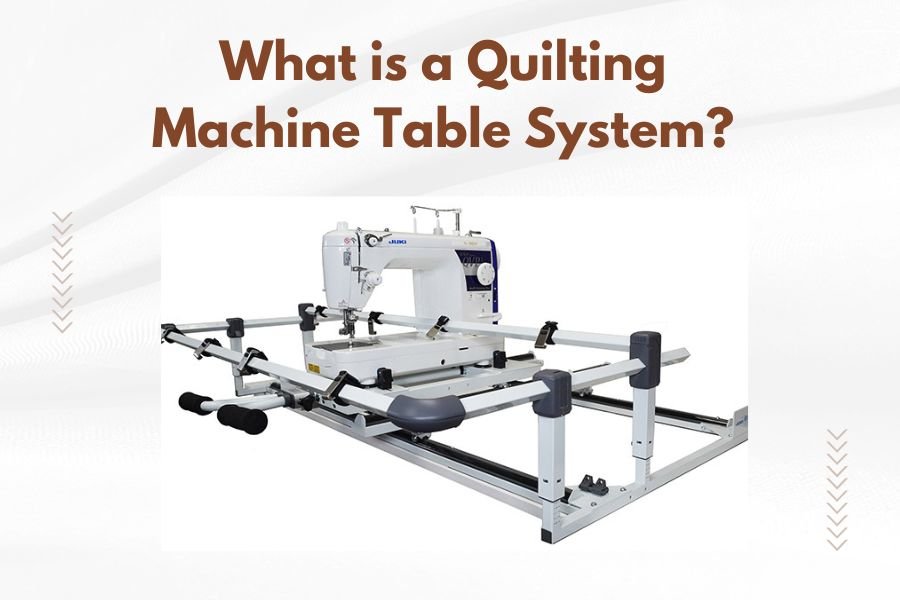
A quilting machine table system is a specialized workstation that combines a flat table surface with space for mounting your quilting machine, providing stable support and extended work area for large quilting projects.
These table systems transform your quilting experience by offering level surfaces around your machine, better ergonomics, and storage solutions that make handling bed-sized quilts much easier.
Why You Need a Quilting Machine Table System
Picture trying to quilt a king-size comforter on a small dining table. The fabric bunches, falls to the floor, and pulls your stitches crooked. That’s where a proper quilting table system saves the day.
Your regular sewing table works fine for small projects. But when you’re wrestling with yards of fabric, you need more space and better support. I found that quilters who switch to dedicated table systems report less back pain and more accurate stitching.
Key Benefits of Table Systems
A good table system gives you level surfaces all around your machine. This keeps large quilts from dragging and pulling as you work.
The height adjustability lets you set the perfect working position. No more hunching over or reaching up awkwardly.
Built-in storage keeps your tools within arm’s reach. Thread, scissors, and rulers have designated spots instead of cluttering your workspace.
Main Types of Quilting Table Systems
You’ll find three main styles when shopping for quilting tables. Each has different strengths depending on your space and needs.
Cabinet-Style Tables
Cabinet tables look like furniture and offer the most storage. Your machine sits flush with the table surface when lowered into the cabinet.
These work great if you have a dedicated sewing room. The closed cabinet protects your machine from dust when not in use.
The downside? They’re heavy and expensive. Moving them requires planning and maybe some help.
Platform Extension Tables
Platform tables attach directly to your existing machine. They extend the work surface without requiring a whole new setup.
I came across many quilters who love these for their simplicity. You keep your machine at its normal height and just add more table space around it.
They’re lighter and more affordable than cabinets. Perfect if you’re just starting out or have limited space.
Modular Table Systems
Modular systems let you build your perfect workspace piece by piece. Start with a basic table and add extensions, storage, and accessories over time.
These offer the most flexibility. You can reconfigure them as your needs change or your space evolves.
The trade-off is complexity. More pieces mean more assembly and potential wobble points to manage.
Essential Features to Look For
Not all quilting tables are created equal. Here’s what separates the good ones from the great ones.
Surface Size and Shape
Your table needs enough surface area to support your largest projects. A good rule of thumb is at least 24 inches of space on all sides of your machine.
L-shaped tables work well in corners and give you maximum surface area in compact spaces.
Rounded corners prevent fabric from catching and tearing as you maneuver large quilts.
Height Adjustability
Fixed-height tables cause problems for many quilters. Everyone’s different, and your ideal working height depends on your chair, your posture, and your machine.
Look for tables that adjust from about 28 to 36 inches high. This range accommodates most quilters comfortably.
Pneumatic lift mechanisms work smoother than manual cranks. But they also cost more and can develop leaks over time.
Finding Your Perfect Height
Your elbows should bend at roughly 90 degrees when your hands rest on the machine. Too high and your shoulders tense up. Too low and you’ll hunch forward.
Test different heights with your actual chair before buying. What feels right in the showroom might not work with your home setup.
Stability and Wobble Control
A wobbly table ruins your stitching accuracy. Look for solid construction with cross-bracing between the legs.
Adjustable feet help level the table on uneven floors. This small feature makes a big difference in real-world use.
Weight capacity matters too. Your table should handle your machine plus the weight of large quilts without flexing.
Storage Solutions in Table Systems
Smart storage keeps your quilting supplies organized and accessible. The best tables integrate storage without cluttering your workspace.
Thread Storage Options
Thread racks keep spools visible and prevent tangling. Some tables include built-in racks, while others have attachable options.
Drawer inserts with individual thread holes work well if you prefer enclosed storage. They protect thread from dust and fading.
Consider how many spools you typically use. A small rack looks neat but becomes limiting as your thread collection grows.
Tool Organization
Magnetic strips hold metal rulers and scissors within easy reach. They keep sharp tools secure but instantly accessible.
Small drawers work perfect for rotary cutter blades, bobbins, and other tiny essentials that tend to disappear.
Open shelving displays your favorite tools and supplies. Just remember that everything will collect dust over time.
Cable Management
Modern quilting setups involve lots of cords. Your machine, lamp, and accessories all need power.
Good tables include cord routing and power strips. This prevents the cable tangle that makes your workspace look messy.
Size Considerations for Your Space
Measure twice, buy once. That old carpenter’s rule applies perfectly to quilting table systems.
Room Layout Planning
You need walking space around your table, not just room for the table itself. Plan for at least 3 feet of clearance on the sides where you’ll move around most.
Consider your room’s traffic flow. A table that blocks the natural path through your space will frustrate you daily.
Think about lighting too. Your table should position your machine to take advantage of natural light without creating glare on your work.
Doorway and Hallway Access
Large cabinet tables might not fit through your doorways assembled. Check the delivery method and assembly requirements before ordering.
Some manufacturers offer white glove delivery and setup. This service costs extra but saves headaches if you’re dealing with tight spaces.
Budget-Friendly Alternatives
Professional quilting table systems can cost thousands. But you don’t always need to spend that much to get good results.
DIY Table Extensions
A sheet of plywood or melamine board can extend your existing table for a fraction of commercial prices. Add folding legs and you have a portable extension system.
I found online that many quilters create excellent DIY solutions using kitchen countertop materials. The smooth surface works well for fabric handling.
Just make sure your DIY extension aligns perfectly with your machine’s bed. Even small height differences will catch fabric and cause problems.
Used and Refurbished Options
Quilting table systems hold their value well. A used cabinet table in good condition can save you 30-50% off retail prices.
Check local quilting guilds and online forums for equipment sales. Quilters often upgrade and sell their previous tables.
Inspect used tables carefully for stability and surface damage. Small scratches are cosmetic, but deep gouges can catch delicate fabrics.
Setting Up Your Table System
Proper setup makes the difference between a table that enhances your quilting and one that fights you every step.
Assembly Tips
Read all instructions before starting assembly. Many table systems require specific sequences to avoid problems later.
Have a helper available for large pieces. Trying to assemble a heavy cabinet table alone often leads to scratched surfaces or bent hardware.
Use proper tools. The included Allen wrenches work, but a drill with bits speeds up the process significantly.
Leveling and Positioning
A level table prevents fabric from sliding and pooling in corners. Use a bubble level to check both side-to-side and front-to-back positioning.
Position your table to minimize glare on your work surface. Avoid placing it directly under bright lights or facing windows.
Maintenance and Care
Your quilting table system represents a significant investment. Proper care keeps it functioning smoothly for years.
Surface Protection
Use cutting mats when working with rotary cutters. Even careful quilters occasionally slip, and blade cuts in table surfaces are permanent.
Clean spills immediately. Coffee rings and fabric dye stains become harder to remove over time.
Dust your table regularly, especially if it includes storage areas. Lint and dust affect both appearance and functionality.
Moving Parts Maintenance
Lubricate height adjustment mechanisms annually. A drop of sewing machine oil keeps pneumatic and mechanical lifts working smoothly.
Check bolts and screws periodically. The vibration from quilting machines can gradually loosen connections.
Store your machine properly if your table includes a lift. Don’t leave heavy machines in raised positions for extended periods.
Conclusion
A quilting machine table system transforms your crafting experience from fighting fabric to flowing creativity. The right system supports your projects, protects your posture, and organizes your tools for maximum efficiency.
Whether you choose a full cabinet system, platform extensions, or modular components, focus on stability, proper sizing, and features that match your quilting style. Remember that this investment grows with your skills and supports countless future projects.
Take time to measure your space, consider your budget, and think about how you actually work. The perfect table system feels like a natural extension of your creative process, not another obstacle to overcome.
What’s the difference between a quilting table and a regular sewing table?
Quilting tables offer much larger work surfaces to support bed-sized projects, while regular sewing tables are designed for smaller garment pieces. Quilting tables also typically include specialized storage for quilting tools and better height adjustment options.
Can I use my existing sewing machine with any quilting table system?
Most quilting table systems accommodate standard domestic sewing machines, but you should verify measurements before purchasing. Some cabinet tables require specific machine sizes, while platform extensions attach to your existing machine setup regardless of brand.
How much space do I need around a quilting table system?
Plan for at least 3 feet of clearance on the sides where you’ll work most frequently, and 2 feet minimum on other sides for cleaning and maintenance access. Large quilting projects need room to spread out without touching walls or furniture.
Are expensive quilting table systems worth the investment?
High-end systems offer better stability, smoother adjustments, and longer warranties, but basic systems can work well for occasional quilters. Consider your quilting frequency, project sizes, and physical comfort needs when deciding how much to invest.
What should I do if my quilting table wobbles or feels unstable?
First check that all bolts and screws are properly tightened and that adjustable feet are making solid floor contact. If problems persist, examine the floor for levelness and consider adding cross-bracing or contacting the manufacturer for stability solutions.