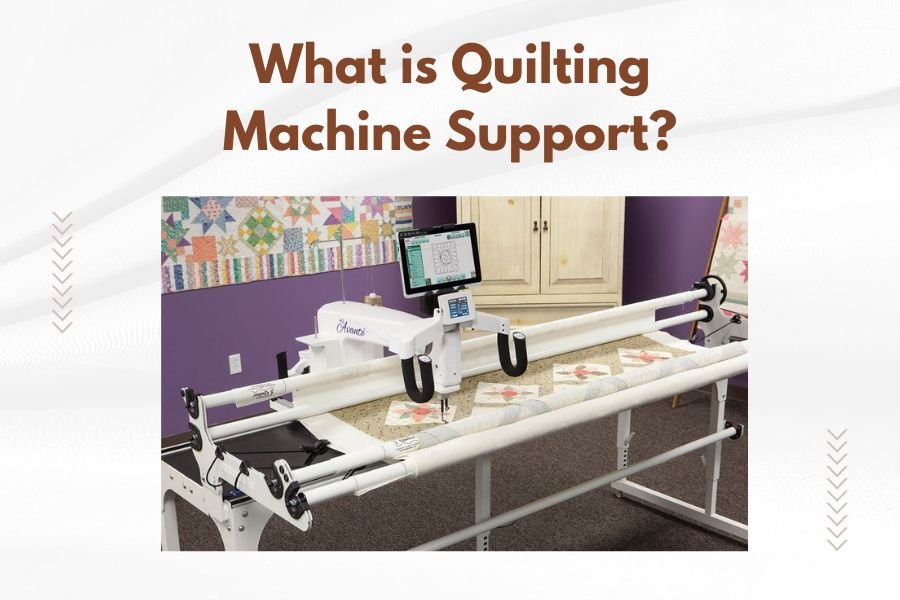
Quilting machine support refers to the physical framework and assistance systems that hold your quilt layers steady while you sew, preventing fabric from pulling, bunching, or creating uneven stitches.
This support system includes extension tables, stands, frames, and various accessories that work together to manage the weight and bulk of your quilting project during the stitching process.
Why Quilting Machine Support Matters for Your Projects
Have you ever tried to quilt a large project without proper support? Your machine likely struggled, and you probably ended up with puckered seams or skipped stitches.
Good quilting machine support makes the difference between frustrating quilting sessions and smooth, enjoyable ones. When your quilt sandwich gets proper backing, your stitches come out even and your fabric feeds correctly through the machine.
I found that many quilting experts recommend investing in support systems early. Without them, you’re basically asking your machine to do the impossible.
Types of Quilting Machine Support Systems
Extension Tables and Work Surfaces
Extension tables give your quilt more surface area to rest on. They attach directly to your sewing machine and create a larger, flat workspace.
Most extension tables are adjustable in height. This lets you match the table surface exactly to your machine’s bed level. No bumps or dips for your fabric to catch on.
Acrylic vs. Wood Extension Tables
Acrylic tables let you see your stitching underneath. They’re lightweight and easy to clean. Wood tables offer more durability but cost more upfront.
From what I read, many quilters prefer acrylic for machine quilting because you can watch your bobbin thread tension as you work.
Quilting Frames and Stands
Quilting frames hold your entire quilt sandwich taut while you stitch. They come in different sizes depending on your project needs.
Floor-standing frames work best for large quilts. Tabletop frames suit smaller projects and save space in your sewing room.
Hand-Crank vs. Motorized Frame Systems
Hand-crank systems let you advance your quilt manually. You control the speed and can stop exactly where you want.
Motorized systems move your quilt automatically at set speeds. They work faster but cost significantly more than manual options.
Machine-Specific Support Options
Domestic Sewing Machine Support
Regular home sewing machines need extra help with quilting projects. They weren’t designed to handle thick quilt sandwiches or large fabric pieces.
Extension tables are your best first investment. Add a rolling cart underneath to support the quilt’s weight as it hangs off your work surface.
Free-Motion Quilting Support
Free-motion quilting requires smooth fabric movement in all directions. Your support system needs to let the quilt glide without resistance.
Supreme Slider mats and similar products reduce friction between your quilt and the machine surface. They make pushing heavy quilts much easier.
Long-Arm Machine Support
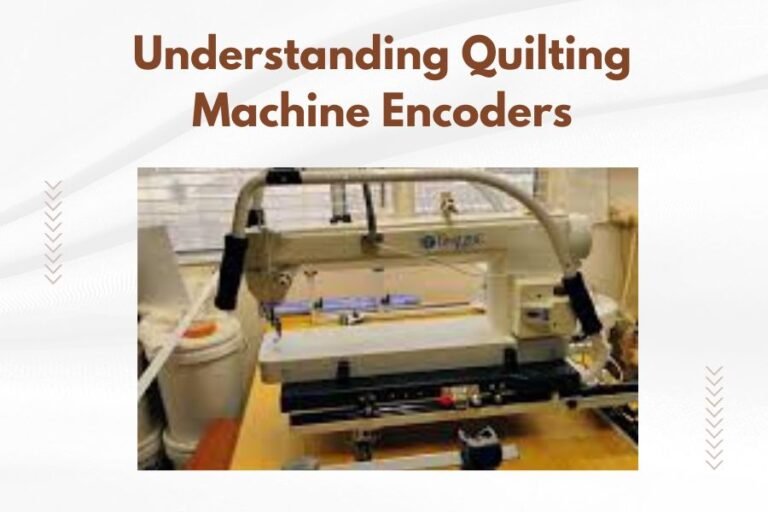
Long-arm machines come with built-in support systems, but you can upgrade them. Better roller systems hold your quilt more evenly.
I found online that professional quilters often invest in precision roller upgrades. They reduce fabric distortion and improve stitch quality.
Computerized Long-Arm Support Features
Modern long-arm machines include automated support features. They can adjust fabric tension and advance your quilt at programmed intervals.
These systems work great for repetitive patterns but require learning time to master their settings.
Essential Support Accessories You Need
Quilt Clips and Basting Tools
Quilt clips replace pins for holding your layers together. They don’t create holes in your fabric and won’t break if you accidentally sew over them.
Basting sprays offer another option for temporary layer adhesion. They wash out completely after your project is finished.
Thread Management Systems
Thread stands keep your spools organized and prevent tangling during long quilting sessions. They’re especially helpful when using multiple thread colors.
Some thread management systems include tension guides that help maintain consistent thread flow to your machine.
Bobbin Management
Pre-wound bobbins save time during large projects. Keep several loaded with your most-used thread colors.
Bobbin cases with different tension settings let you fine-tune your stitch quality without constantly adjusting your main machine.
Setting Up Your Support System Correctly
Height and Angle Adjustments
Your support surfaces should align perfectly with your machine bed. Even small height differences can cause fabric feeding problems.
Check the alignment with a ruler or straight edge. Adjust table legs or frame height until everything sits level.
Fabric Flow Management
Large quilts need somewhere to go as they come off your machine. Set up tables or stands behind and beside your workspace.
The goal is supporting your quilt’s weight without pulling on the area you’re currently stitching. Think of it like having extra hands holding your project.
Managing Quilt Bulk
Roll or fold the sections of your quilt that aren’t being sewn. Use quilt clips to keep rolled sections from unrolling.
Some quilters use large plastic bags to contain bulky quilt sections while working on smaller areas.
Common Support System Problems and Solutions
Fabric Pulling and Distortion
When your quilt pulls or distorts during stitching, your support system isn’t balanced correctly. The fabric is fighting against uneven pressure.
Check that all support surfaces are the same height. Make sure nothing is pulling down on your quilt as you sew.
Uneven Stitch Quality
Inconsistent stitches often result from varying fabric support. Some areas get good backing while others don’t.
I researched and found that adding more support points usually fixes this issue. Don’t rely on just one or two contact points for large projects.
Thread Tension Issues
Poor support can affect your thread tension indirectly. When fabric doesn’t feed smoothly, your machine works harder and tension gets inconsistent.
Fix the support issues first, then readjust your thread tension if needed.
Budget-Friendly Support Solutions
DIY Support Options
You don’t need expensive equipment to get good quilting support. Many household items work as temporary solutions.
Card tables positioned around your sewing area provide extra surface support. Adjust their height with books or boards if needed.
Repurposing Furniture
TV dinner tables make excellent adjustable quilt supports. They’re lightweight, portable, and usually height-adjustable.
Ironing boards can support quilt sections too, though they’re not as stable as purpose-built options.
When to Upgrade Your Support System
Start with basic support and upgrade as your skills and project sizes grow. You’ll learn what features matter most for your quilting style.
If you’re making bed-sized quilts regularly, invest in a proper frame system. The time and frustration savings pay for themselves quickly.
Maintaining Your Support Equipment
Cleaning and Care
Keep your support surfaces clean and smooth. Fabric lint and thread bits can create drag that affects your quilting quality.
Wipe down tables and frames regularly with appropriate cleaners for their materials. Check that all moving parts operate smoothly.
Regular Adjustments and Checks
Support systems can shift over time with use. Check alignment and stability before starting each major project.
Tighten any loose connections and verify that height adjustments are still accurate.
Conclusion
Quilting machine support transforms your sewing experience from struggle to success. The right support system lets you focus on creating beautiful stitches instead of fighting with unruly fabric.
Start with basic extensions and work surfaces, then add specialized equipment as your projects demand it. Remember that good support pays for itself through better results and less frustration. Your quilts will look more professional, and you’ll enjoy the process much more when everything works smoothly together.
What’s the difference between quilting frames and extension tables?
Extension tables attach to your sewing machine and provide additional flat workspace, while quilting frames hold your entire quilt sandwich stretched and secure. Tables work with any machine type, but frames are designed for specific quilting methods and machine sizes.
Can I use regular furniture as quilting machine support?
Yes, many household items work as temporary quilting support. Card tables, TV trays, and ironing boards can provide extra surface area. Just make sure they’re the right height and stable enough to support your quilt’s weight without wobbling.
How do I know if my quilting support system is set up correctly?
All support surfaces should be level with your machine bed, and your quilt should move smoothly without catching or pulling. If you’re getting even stitches and the fabric feeds easily in all directions, your support system is working properly.
Do I need different support for free-motion quilting versus straight-line quilting?
Free-motion quilting requires support that allows fabric movement in all directions, often including slider mats or specialized low-friction surfaces. Straight-line quilting needs good linear support but doesn’t require the same multidirectional gliding capability.
How much should I expect to spend on a good quilting support system?
Basic extension tables start around $50-100, while complete frame systems can cost $500-2000 or more. Start with essential pieces like an extension table and add components as your quilting projects grow larger and more complex.