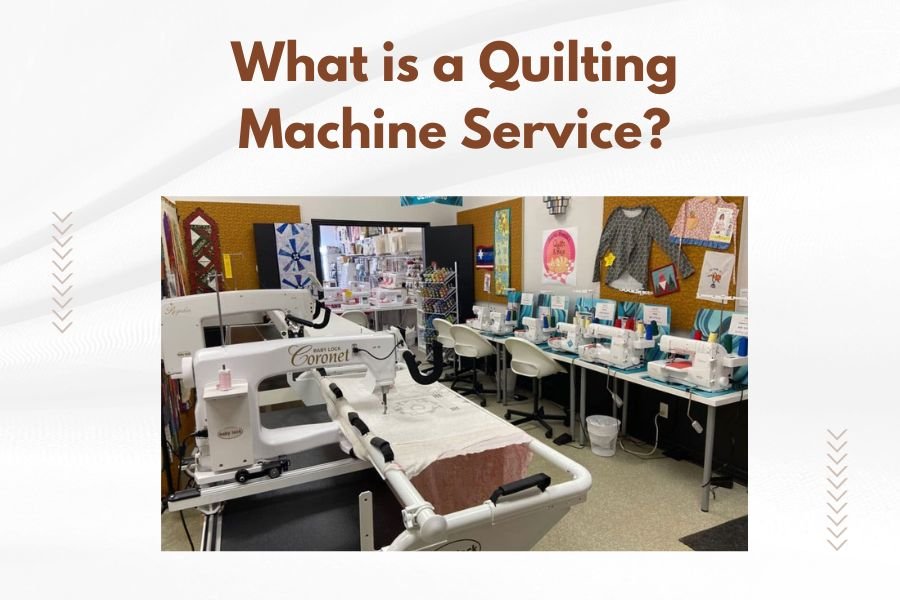
A quilting machine service is professional maintenance that keeps your quilting equipment running smoothly and prevents costly breakdowns. This service includes cleaning, oiling, timing adjustments, and replacing worn parts to maintain optimal stitching quality.
Regular quilting machine service typically costs $75-$200 and should happen every 6-12 months depending on usage frequency and machine type.
What Does Quilting Machine Service Include?
When you take your quilting machine for service, you’re getting much more than a simple cleaning. Think of it like taking your car in for maintenance – there’s a whole checklist of things that need attention.
Professional technicians will examine every moving part of your machine. They clean out lint buildup that can jam mechanisms. They oil all the points that need lubrication to keep parts moving smoothly.
Basic Service Components
The standard service covers these essential areas:
- Deep cleaning of all internal mechanisms
- Lubrication of moving parts with proper machine oil
- Tension adjustment for consistent stitching
- Timing checks to ensure needle and bobbin sync properly
- Belt inspection and replacement if needed
- Feed dog alignment and cleaning
Advanced Service Features
Some services go beyond the basics. You might get software updates if you have a computerized machine. The technician may calibrate touchscreen sensitivity or update stitch patterns.
They’ll also test all your machine’s functions. Every stitch type gets checked. All speed settings get tested. Button responsiveness gets verified.
Why Your Quilting Machine Needs Regular Service
You wouldn’t drive your car for years without an oil change, right? Your quilting machine works just as hard and needs similar care.
Every time you quilt, tiny fabric fibers get pulled into your machine. Dust settles on internal parts. Thread can leave residue on tension discs. Without regular cleaning, these small problems become big headaches.
Preventing Costly Repairs
I found from talking to repair technicians that most expensive quilting machine repairs could have been prevented. A $150 service can save you from a $500 repair bill later.
Worn belts that aren’t replaced can snap and damage other parts. Dirty tension mechanisms can throw off your entire stitching system. Poor timing can cause needle breaks that damage your machine’s delicate internals.
Maintaining Stitch Quality
Have you noticed your stitches looking uneven lately? Or maybe your thread keeps breaking? These are often signs your machine needs professional attention.
Proper service restores your machine to factory specifications. Your stitches come out even again. Thread stops breaking unexpectedly. Your quilting projects look professional once more.
Types of Quilting Machine Services
Not all services are created equal. You have several options depending on your machine’s needs and your budget.
Basic Maintenance Service
This covers the essentials: cleaning, oiling, and basic adjustments. Most quilters need this level of service annually.
The technician will clean your machine thoroughly. They’ll oil all moving parts with the correct lubricants. Basic timing and tension get adjusted if needed.
What’s Included
- Complete cleaning inside and out
- Oiling all designated points
- Basic tension adjustment
- Simple timing check
- Visual inspection for wear
Complete Overhaul Service
This is the premium option. Your machine gets completely disassembled, cleaned, and reassembled. It’s like getting a brand-new machine back.
Every part gets individual attention. Worn components get replaced. Software gets updated to the latest version. All calibrations get reset to factory standards.
When You Need an Overhaul
Consider this service if your machine hasn’t been serviced in over two years. Also choose it if you’re having multiple problems at once.
Heavy-use quilters who run their machines daily often benefit from annual overhauls instead of basic service.
How Often Should You Service Your Quilting Machine?
The answer depends on how much you quilt and what type of machine you own. But here’s what I found from researching manufacturer recommendations and talking to service technicians.
Light Use (Hobby Quilters)
If you quilt occasionally – maybe a few projects per month – annual service works well. Your machine isn’t working hard enough to need more frequent attention.
Watch for signs that service might be needed sooner. Unusual noises, thread breaks, or stitch irregularities all signal it’s time for professional help.
Heavy Use (Professional Quilters)
Daily quilters need service every 6-8 months. Some professionals even schedule quarterly maintenance to prevent any downtime during busy periods.
Your machine is your livelihood, so prevention becomes even more important. The cost of service pales compared to lost income from a broken machine.
Signs You Need Service Soon
- Stitches look uneven or loose
- Thread breaks frequently
- Machine makes new noises
- Needle keeps breaking
- Tension seems off despite adjustments
- Machine skips stitches
DIY Maintenance vs Professional Service
You can handle some maintenance tasks yourself. Basic cleaning and simple adjustments are within most quilters’ abilities. But some jobs need professional expertise.
What You Can Do Yourself
Regular cleaning keeps your machine running between professional services. Remove the needle plate and clean out lint buildup. Wipe down all surfaces with appropriate cleaners.
You can also oil your machine if you have the manual. Most manufacturers provide clear diagrams showing where to apply oil and how much to use.
Safe DIY Tasks
- Cleaning lint from accessible areas
- Wiping down exterior surfaces
- Basic oiling (if manual provides guidance)
- Changing needles and routine parts
- Simple thread tension adjustments
When to Call Professionals
Some tasks require special tools and training. Timing adjustments can ruin your machine if done wrong. Internal cleaning reaches places you can’t safely access.
Software updates on computerized machines often need special equipment. Calibration requires precision tools that most quilters don’t own.
Choosing a Quilting Machine Service Provider
Not all repair shops understand quilting machines. You want someone who specializes in your type of equipment.
What to Look For
Start with authorized dealers for your machine brand. They have factory training and genuine parts. Their technicians understand your specific model’s quirks.
Ask about their experience with quilting machines specifically. Sewing machine repair and quilting machine service require different skills.
Questions to Ask Service Providers
- Are you factory-authorized for my machine brand?
- How many quilting machines do you service monthly?
- What’s included in your standard service?
- Do you provide written estimates?
- What warranty do you offer on service work?
- How long will my machine be in the shop?
Service Costs and What to Expect
Basic service typically runs $75-$125 for most machines. Complex computerized models might cost $150-$200. Complete overhauls can reach $300-$400.
Factor in your time and transportation costs too. Some shops offer pickup and delivery services for an additional fee.
Preparing Your Machine for Service
Good preparation makes service go smoothly and ensures you get your machine back faster.
Before You Drop Off
Clean your machine’s exterior and remove any loose attachments. Take photos of your current settings if you have a computerized model.
Write down specific problems you’ve noticed. The more details you provide, the better the technician can diagnose issues.
Items to Bring Along
- Owner’s manual
- All accessories and attachments
- Power cord and foot pedal
- Written list of problems or concerns
- Warranty information if applicable
Cost of Quilting Machine Service
Service costs vary widely based on your machine type and the work needed. Here’s what I found when researching current market rates.
| Service Type | Basic Machines | Mid-Range | High-End/Longarm |
|---|---|---|---|
| Basic Cleaning & Oiling | $75-$100 | $100-$150 | $150-$200 |
| Standard Service | $100-$125 | $125-$175 | $175-$250 |
| Complete Overhaul | $200-$300 | $300-$400 | $400-$600 |
Is Professional Service Worth the Cost?
When you consider that a quality quilting machine costs thousands of dollars, spending $150 annually on maintenance makes financial sense.
Professional service extends your machine’s life significantly. Many well-maintained quilting machines run perfectly for 20+ years with regular care.
Conclusion
Quilting machine service is an investment in your craft and your equipment’s longevity. Regular professional maintenance prevents expensive repairs and keeps your stitching quality consistent.
Whether you quilt occasionally or professionally, your machine deserves proper care. Find a qualified service provider, establish a regular maintenance schedule, and enjoy years of trouble-free quilting.
Remember that good maintenance starts with you. Keep your machine clean between services, use quality thread, and don’t ignore warning signs. When combined with professional service, these habits will keep your quilting machine running beautifully for decades.
How long does quilting machine service typically take?
Most basic services take 3-7 business days, while complete overhauls can take 1-2 weeks. Call ahead during busy seasons as wait times may be longer.
Can I service my computerized quilting machine myself?
You can handle basic cleaning and simple maintenance, but software updates and internal adjustments require professional tools and training to avoid damaging sensitive electronics.
What should I do if my machine needs service but it’s still under warranty?
Contact an authorized dealer or the manufacturer’s service center first. Using unauthorized repair shops may void your warranty coverage.
How do I know if my quilting machine service provider did quality work?
Test all machine functions when you pick it up. Your stitches should be even, thread tension balanced, and any previous problems resolved. A good shop will demonstrate the fixes they made.
Should I service my backup quilting machine as often as my main one?
Machines used infrequently still collect dust and lubricants can dry out over time. Service backup machines every 18-24 months or before extended use periods to ensure reliability.