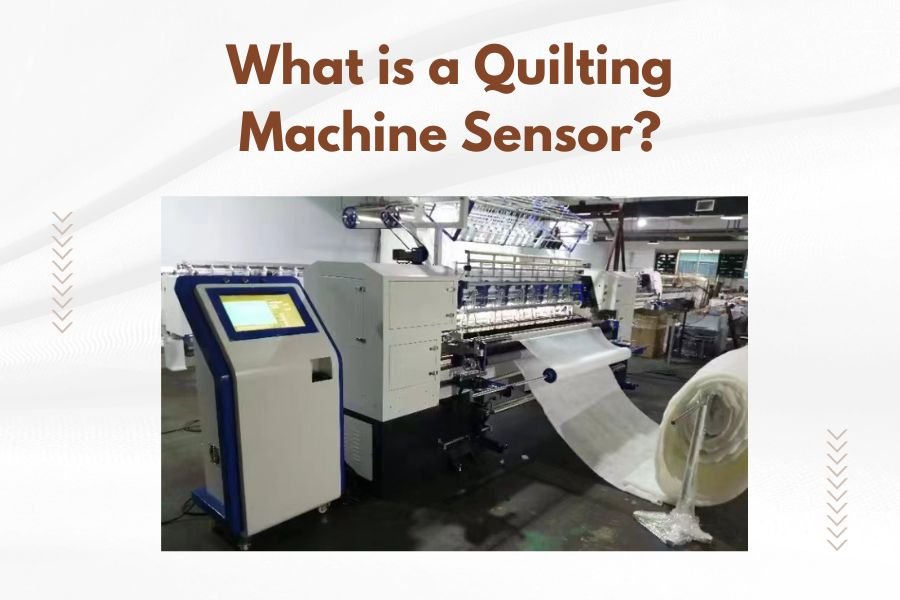
A quilting machine sensor is an electronic device that detects fabric position, thread breaks, and machine functions to ensure precise stitching and prevent errors during quilting.
These sensors work by using infrared light, magnetic fields, or mechanical triggers to monitor your quilting machine’s operation and automatically stop or adjust when problems occur.
How Quilting Machine Sensors Work
Think of a quilting machine sensor like a security guard for your sewing project. It watches everything that happens and steps in when something goes wrong.
Most sensors use infrared technology to “see” what’s happening. When thread breaks or fabric shifts out of place, the sensor notices the change and sends a signal to stop the machine. This prevents you from ruining hours of work with crooked stitches or thread tangles.
Types of Detection Methods
I found that modern quilting machines use several detection methods. Optical sensors shine a tiny light beam across the thread path. When thread breaks, the light beam continues uninterrupted, triggering the sensor.
Magnetic sensors work differently. They detect metal components in the needle or bobbin area. When something moves out of normal position, the magnetic field changes.
Mechanical Sensors
Some older machines still use mechanical sensors. These have small levers or springs that physically touch the thread. When thread breaks, the lever moves and activates the stop function.
Common Types of Quilting Machine Sensors
You’ll find several sensor types on modern quilting machines. Each one protects different parts of your quilting process.
Thread Break Detection Sensors
These are the most common sensors you’ll encounter. They monitor both upper and lower threads continuously while you quilt.
Upper thread sensors typically sit near the tension discs or just before the needle. Lower thread sensors watch the bobbin area. When either thread snaps, your machine stops immediately.
Dual Thread Monitoring
High-end machines often have multiple thread sensors. One watches the thread as it leaves the spool. Another checks it near the needle. This double protection catches problems faster.
Fabric Position Sensors
These sensors make sure your fabric stays in the right place. They’re especially helpful when you’re quilting large pieces that might shift or bunch up.
The sensor detects when fabric moves too far from its expected position. Your machine then pauses so you can readjust everything properly.
Edge Detection Features
Some fabric sensors can even detect when you’re approaching the edge of your quilt. This prevents you from accidentally sewing off the fabric onto your machine bed.
Needle Position Sensors
Your needle goes up and down thousands of times during quilting. Needle position sensors track exactly where your needle is at any moment.
This information helps other machine functions work properly. For example, your machine knows when it’s safe to cut thread or when to stop for thread changes.
Benefits of Using Quilting Machine Sensors
Sensors transform your quilting experience from stressful to enjoyable. You can quilt with confidence knowing your machine will catch problems before they become disasters.
Prevents Costly Mistakes
Have you ever spent hours on a quilt only to discover a thread break ruined half your pattern? Sensors prevent this heartbreak by stopping your machine the moment something goes wrong.
I found from quilting forums that sensor-equipped machines save quilters an average of 2-3 hours of rework per large project. That’s time you can spend on new creations instead of fixing mistakes.
Protects Expensive Materials
Quality quilting fabric and batting aren’t cheap. Sensors protect your investment by preventing needle damage, thread burns, and fabric tears that happen when machines run unattended with problems.
Reduces Machine Wear
When your machine tries to sew without thread or with jammed fabric, it strains internal components. Sensors stop these harmful conditions before they damage your equipment.
Regular sensor use can extend your machine’s life by several years. The sensor pays for itself by preventing expensive repair bills.
Maintains Consistent Tension
Some advanced sensors monitor thread tension and alert you to changes. This keeps your stitches even and professional-looking throughout your entire project.
How to Choose the Right Sensor System
Not all quilting machine sensors are created equal. Your choice depends on your quilting style, budget, and machine compatibility.
Consider Your Quilting Volume
Do you quilt occasionally for fun or run a quilting business? High-volume quilters need more sensitive, durable sensors that can handle constant use.
Hobby quilters might prefer simpler sensors that cover basic thread break detection. These cost less and are easier to maintain.
Match Sensors to Your Projects
Large quilts benefit from fabric position sensors. Detailed work with frequent thread changes needs sensitive thread break detection. Consider what you quilt most often.
Compatibility Requirements
Check that any sensor system works with your specific quilting machine model. Some sensors only work with certain brands or require special mounting hardware.
I researched and found that universal sensors exist, but machine-specific versions usually perform better and install more easily.
| Sensor Type | Best For | Average Cost Range |
|---|---|---|
| Basic Thread Break | Hobby quilting | $50-$150 |
| Multi-Thread Detection | Professional work | $200-$400 |
| Fabric Position | Large quilts | $300-$600 |
| Complete System | Commercial quilting | $500-$1200 |
Installation and Setup Process
Installing quilting machine sensors might seem intimidating, but most systems are designed for easy setup. You don’t need to be an electronics expert.
Basic Installation Steps
Start by reading your sensor’s manual completely. Each system has specific requirements for placement and wiring.
Most sensors attach to existing machine components using clamps or screws. The sensor unit typically mounts near the area it monitors, like by the thread path or needle bar.
Wiring Connections
Modern sensors often use simple plug-in connections. You connect the sensor to your machine’s control system using provided cables. Some wireless sensors eliminate wiring completely.
Calibration Requirements
After installation, you’ll need to calibrate your sensors. This teaches them what normal operation looks like on your specific machine.
Calibration usually involves running test stitches with and without thread breaks. The sensor learns to recognize the difference between normal and problem conditions.
Fine-Tuning Sensitivity
You can adjust how sensitive your sensors are to problems. More sensitivity catches smaller issues but might create false alarms. Less sensitivity is more forgiving but might miss minor problems.
Maintenance and Troubleshooting
Like any electronic device, quilting machine sensors need regular care to work properly. Good maintenance prevents most problems and extends sensor life.
Regular Cleaning Procedures
Dust and lint are sensors’ biggest enemies. Clean sensor lenses and mechanical parts weekly if you quilt regularly.
Use compressed air or soft brushes to remove debris. Avoid harsh chemicals that might damage sensitive electronic components.
Checking Connections
Vibration from quilting can loosen electrical connections over time. Check that all plugs and wires remain secure during your regular machine maintenance.
Common Problems and Solutions
False alarms are the most frequent sensor issue. Your machine stops even though nothing is actually wrong.
This usually happens when sensors get dirty or poorly calibrated. Cleaning and recalibration solve most false alarm problems.
When Sensors Don’t Detect Problems
If your sensor misses actual thread breaks or fabric issues, it might be too insensitive. Adjust the sensitivity settings or check for obstructions blocking the sensor’s view.
Cost Considerations and Value
Quilting machine sensors range from under $100 to over $1000 depending on features and complexity. The investment usually pays off quickly in saved time and materials.
Budget-Friendly Options
Basic thread break sensors offer the most bang for your buck. They prevent the majority of quilting disasters at a reasonable price point.
Many quilters start with simple sensors and upgrade later as their skills and projects become more demanding.
Professional-Grade Systems
Commercial quilters often invest in complete sensor packages. These comprehensive systems monitor everything and integrate with computerized quilting software.
Conclusion
Quilting machine sensors are game-changers for both hobby and professional quilters. They protect your projects, save time, and reduce stress by catching problems before they become disasters. Whether you choose a basic thread break sensor or a complete monitoring system, you’ll wonder how you ever quilted without one. The investment in sensor technology pays for itself through saved materials, reduced machine wear, and the peace of mind that comes from knowing your quilting machine is watching out for problems while you focus on creating beautiful quilts.
Can I install a sensor on any quilting machine?
Most modern quilting machines can accommodate aftermarket sensors, but compatibility varies by model. Check with your machine manufacturer or sensor supplier to confirm compatibility before purchasing. Some older machines may require modifications or may not be suitable for sensor installation.
How often do quilting machine sensors need calibration?
Most sensors need initial calibration during installation and recalibration every 3-6 months with regular use. You should also recalibrate after changing thread types, adjusting machine settings, or if you notice false alarms or missed detections becoming frequent.
Do wireless sensors work as well as wired ones?
Modern wireless quilting machine sensors perform comparably to wired versions for most applications. They offer easier installation and cleaner machine setups. Battery life typically lasts 6-12 months with regular use, and signal interference is rare in most quilting environments.
What happens if a sensor malfunctions during quilting?
Most sensor systems include bypass modes that let you continue quilting manually if the sensor fails. You can usually disable individual sensors while keeping others active. Always keep your machine’s manual operation skills sharp as backup for sensor failures.
Are quilting machine sensors worth it for occasional quilters?
Even occasional quilters benefit from basic thread break sensors, especially when working on large or complex projects. The time saved from preventing just one major mistake typically covers the sensor cost. Start with an affordable basic sensor to experience the benefits before investing in advanced systems.