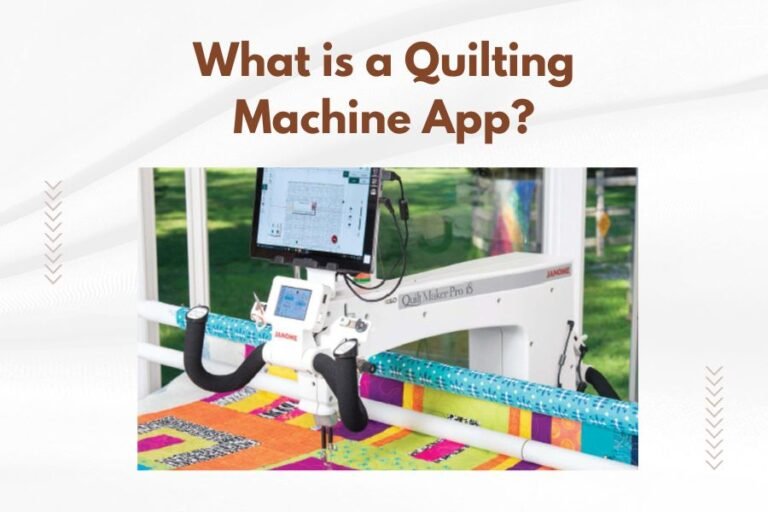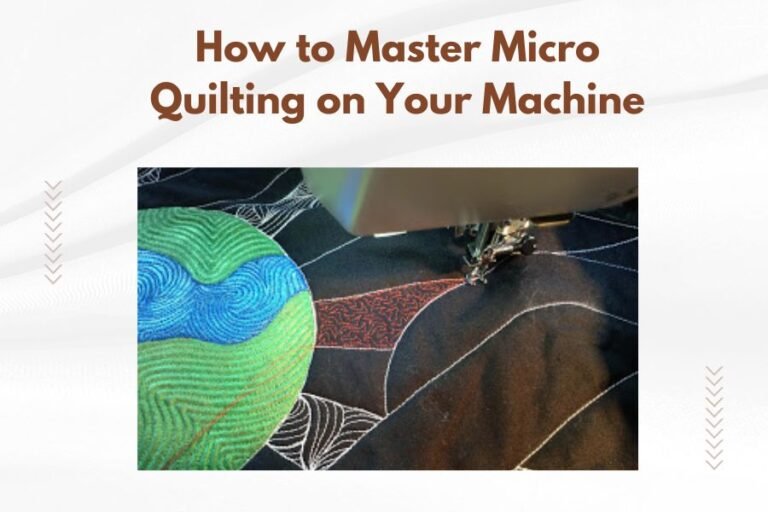

A quilting machine robot is an automated system that combines computerized technology with precision mechanical arms to create quilted patterns without manual needle guidance.
These robotic quilting systems use programmed software to control stitching patterns, thread tension, and fabric movement, making complex quilting designs faster and more consistent than traditional hand quilting.
How Quilting Machine Robots Actually Work
Think of a quilting machine robot like a giant 3D printer, but instead of laying down plastic, it’s laying down thread. The robot arm moves across your quilt sandwich with computer precision.
You load your quilt layers onto the machine’s frame. The software takes over from there. It reads your chosen pattern and guides the needle exactly where it needs to go.
The Computer Brain Behind the Machine
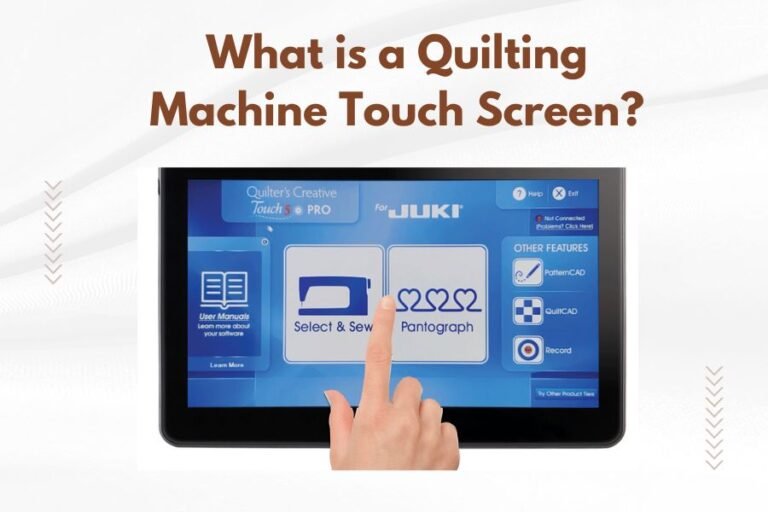
The control software acts like the robot’s brain. You can upload designs from your computer or choose from built-in patterns.
Many systems let you preview your design before stitching starts. This saves you from costly mistakes on expensive fabric.
Pattern Recognition and Adjustment
Some advanced robots can detect fabric edges automatically. They adjust stitch length based on fabric thickness too.
This smart technology means you spend less time making manual adjustments.
Types of Quilting Machine Robots Available
Not all quilting robots work the same way. Here are the main types you’ll find:
Pantograph-Style Robotic Systems
These robots follow pantograph patterns but do it automatically. You still get that traditional quilting look without the arm strain.
The robot arm traces the pattern while you focus on fabric positioning. It’s like having a tireless quilting assistant.
Computerized Long-Arm Robots
These are the high-end machines you see in professional quilting shops. They handle large quilts with ease.
The robotic head moves smoothly across tracks. You can quilt king-size quilts without repositioning.
Track-Mounted Systems
The machine rides on rails above your quilt frame. This setup gives you maximum quilting space.
Professional quilters often choose track systems for their consistency and speed.
Stationary Robotic Arms
These robots stay in one spot while moving the quilt fabric underneath. They work well for smaller quilting projects.
Home quilters often prefer stationary systems because they take up less room.
Key Benefits of Using a Quilting Machine Robot
Why would you want a robot to do your quilting? The benefits go beyond just convenience.
Perfect Stitch Consistency
Robots don’t get tired or lose focus. Every stitch stays exactly the same length and tension.
This consistency creates professional-looking quilts every time. Your customers will notice the difference.
Time Savings for Complex Patterns
Hand quilting a king-size quilt can take months. A robot finishes the same quilt in hours.
You can complete more projects and take on bigger orders. Time is money in the quilting business.
Reduced Physical Strain
No more sore shoulders from guiding heavy fabric. The robot handles all the physical work.
This benefit helps older quilters continue their craft longer. It also prevents repetitive strain injuries.
Common Limitations to Consider
Quilting robots aren’t perfect for every situation. Here’s what you should know before buying.
Initial Learning Curve
You’ll need time to learn the software and calibration process. Most people need several weeks of practice.
The good news? Most manufacturers offer training videos and phone support.
Limited Creative Flexibility
Robots excel at repeating patterns perfectly. They’re not great at spontaneous creative decisions.
If you love improvising while quilting, you might miss that hands-on control.
Software Dependency
When the computer crashes, your quilting stops. You need basic tech skills to troubleshoot problems.
Always keep backup copies of your favorite patterns. Computer files can get corrupted.
Popular Quilting Robot Manufacturers
Several companies make reliable quilting robots. I researched the main players in this market.
| Brand | System Type | Best For |
|---|---|---|
| Gammill | Track-mounted | Professional shops |
| APQS | Stationary robotic | Home studios |
| Innova | Both types | All skill levels |
| Handi Quilter | Robotic upgrade | Existing machine owners |
What Sets Each Brand Apart
Each manufacturer focuses on different strengths. Some prioritize ease of use. Others focus on speed and precision.
Research which features matter most for your quilting goals before choosing.
Cost Considerations for Quilting Robots
Quilting machine robots represent a major investment. Prices vary widely based on features and capabilities.
Entry-Level Robotic Systems
Basic robotic upgrades for existing machines start around $3,000 to $5,000. These add automation to your current setup.
This option works well if you already own a quality long-arm machine.
Professional-Grade Complete Systems
Full robotic quilting systems range from $15,000 to $50,000 or more. These include everything you need to start robot quilting.
Professional quilters often finance these machines through their business income.
Ongoing Maintenance Costs
Budget for software updates, replacement parts, and periodic calibration services. These costs add up over time.
Most manufacturers recommend annual maintenance visits. Factor this into your total ownership cost.
Setting Up Your Quilting Robot Workspace
Quilting robots need proper space and setup to work correctly. Poor installation leads to frustrating problems.
Space Requirements
Track systems need at least 14 feet of length plus walking space around the frame. Measure your room carefully.
Ceiling height matters too. You need clearance for the robotic arm movement.
Electrical and Lighting Needs
Install dedicated electrical circuits for your robot. These machines draw significant power during operation.
Good lighting helps you monitor the quilting process. LED strip lights work well around the frame.
Learning to Use Your Quilting Robot
Getting comfortable with robot quilting takes practice and patience. Start with simple projects first.
Software Training Basics
Master the pattern loading process before trying complex designs. Practice moving and resizing patterns.
Learn the emergency stop procedures. You’ll need them when thread breaks or fabric shifts.
Calibration and Maintenance Skills
Your robot needs regular calibration to maintain accuracy. Learn this process early in your training.
Basic maintenance like cleaning and oiling keeps your robot running smoothly.
Conclusion
Quilting machine robots transform how you approach large quilting projects. They offer unmatched consistency and speed for repetitive patterns.
The investment is substantial, but professional quilters find robots pay for themselves through increased productivity. Home quilters enjoy the reduced physical strain and perfect results.
Consider your quilting goals, available space, and budget before deciding. These machines work best for quilters who value precision over spontaneous creativity.
Can quilting machine robots handle thick batting materials?
Yes, most professional quilting robots can handle batting up to 1/2 inch thick. You may need to adjust needle size and thread tension for thicker materials. Some entry-level systems work better with thinner batting.
Do I need special thread for robotic quilting machines?
No special thread is required, but high-quality thread reduces breakage during automated quilting. Avoid bargain threads that shed lint or break easily. Polyester and cotton threads both work well in robot systems.
How long does it take to learn quilting robot operation?
Most quilters become comfortable with basic robot operation within 2-4 weeks of regular practice. Mastering advanced features and troubleshooting typically takes 2-3 months of consistent use.
Can quilting robots create custom designs from my sketches?
Some advanced systems can convert hand-drawn sketches into quilting patterns using digitizing software. This process requires additional software and skills. Many quilters prefer purchasing pre-made digital patterns instead.
What happens if the quilting robot breaks down during a project?
Most robots save progress automatically, so you can resume where you stopped after repairs. Keep emergency contact information for your dealer’s tech support. Some quilters maintain backup manual quilting tools for urgent deadlines.