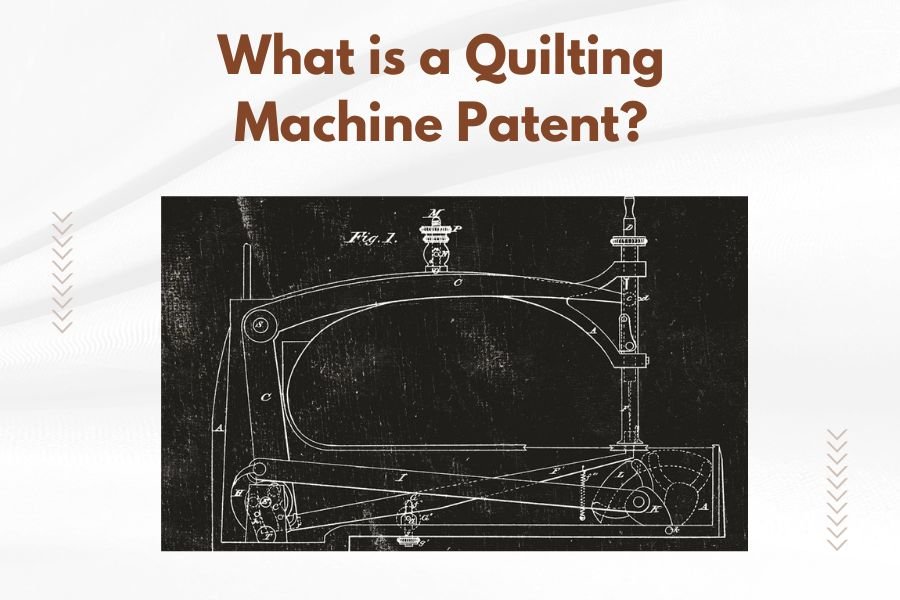
A quilting machine patent is a legal document that gives inventors exclusive rights to their unique quilting machine designs, features, or methods for a specific period, typically 20 years.
Patents protect innovations in quilting machines, from stitch patterns and automation features to mechanical improvements that make quilting easier or more efficient.
Why Quilting Machine Patents Matter
You might wonder why patents matter in the quilting world. Think of patents as invisible shields around creative ideas. When someone invents a new way to make your quilting faster or more accurate, a patent stops others from copying that exact innovation.
I found that many of today’s best quilting features started as patented inventions. The automatic thread cutting you love? Patented. That smooth fabric feeding system? Also patented.
Protection for Inventors
Patents give inventors time to profit from their hard work. Without this protection, larger companies could copy new ideas instantly. This would discourage innovation in quilting technology.
Small inventors and big manufacturers both rely on patents. They create a fair playing field where creativity gets rewarded.
Benefits for Quilters
You benefit from patents too. They encourage companies to keep improving quilting machines. Competition drives better features, more reliability, and often lower prices over time.
When patents expire, other companies can use those innovations freely. This spreads good technology across different brands and price ranges.
Types of Quilting Machine Patents
Not all quilting machine patents cover the same things. I researched the main categories and found three primary types that affect your quilting experience.
Mechanical Design Patents
These patents protect the physical parts of quilting machines. Think about the frame design, needle mechanisms, or how the fabric moves through the machine.
One example is the way some machines automatically adjust tension based on fabric thickness. This mechanical innovation required years of engineering and deserved patent protection.
Frame and Structure Innovations
Quilting machine frames have evolved dramatically. Early patents covered basic frame shapes. Modern patents protect adjustable heights, folding mechanisms, and vibration-reduction systems.
Your quilting comfort improves because of these patented frame innovations. Ergonomic designs reduce strain during long quilting sessions.
Needle and Thread Systems
Multiple needle systems, automatic threading, and thread break detection all started as patented ideas. These features save you time and reduce frustration.
I found that needle positioning accuracy improvements often come from patented mechanical systems that control movement down to fractions of millimeters.
Software and Control Patents
Modern quilting machines run on sophisticated software. Patents protect unique programming methods, user interfaces, and automated quilting patterns.
Your touchscreen controls, pattern libraries, and automatic pattern scaling all rely on patented software innovations.
Pattern Recognition Technology
Some advanced machines can recognize fabric patterns and adjust quilting accordingly. This technology requires complex algorithms that deserve patent protection.
Pattern matching helps you create perfectly aligned quilts without manual adjustments. The software behind this feature represents years of programming work.
User Interface Innovations
Touch screens, voice commands, and mobile app connections all started as patented concepts. These interfaces make quilting machines easier to use for quilters of all skill levels.
Process and Method Patents
These patents protect specific ways of doing things, not just physical products. A unique method for creating certain stitch patterns could receive patent protection.
Edge-to-edge quilting techniques, automatic border detection, and multi-layer fabric handling methods often have patent protection.
How Patents Shape Your Quilting Machine Choices
Patents directly affect which features you can find on different machine brands. When one company holds a patent on a popular feature, other companies must wait or develop alternative approaches.
Brand Exclusivity
Some quilting machine features only appear on specific brands because of patent restrictions. This exclusivity can influence your buying decision if you want particular capabilities.
I came across several examples where popular features remained exclusive to one manufacturer for years due to patent protection.
Innovation Timing
You might notice that similar features appear across different brands around the same time. This often happens when key patents expire and the technology becomes available to everyone.
Patent expiration creates innovation waves in the quilting industry. Suddenly, multiple manufacturers can offer similar advanced features.
Famous Quilting Machine Patents
Several groundbreaking patents changed quilting machine history. These innovations transformed how we approach quilting projects.
Computer-Controlled Quilting Systems
Early computer-controlled quilting systems received patent protection in the 1980s and 1990s. These patents covered basic concepts that modern machines still use.
Automated pattern stitching, computer file import, and digital pattern libraries all trace back to these foundational patents.
Longarm Quilting Innovations
Longarm quilting machines have their own patent history. Track systems, pattern following technology, and pantograph alternatives all received patent protection.
Your ability to quilt large projects efficiently depends on innovations that started as patented ideas decades ago.
Patent Research for Quilting Enthusiasts
You can research quilting machine patents yourself. The United States Patent and Trademark Office maintains free online databases where you can search for specific innovations.
Understanding Patent Documents
Patent documents look intimidating but contain fascinating information. They describe exactly how innovations work and often include detailed diagrams.
Reading patents helps you understand the engineering behind your favorite quilting machine features. You’ll appreciate the complexity involved in creating smooth, reliable quilting automation.
Key Sections to Focus On
Patent abstracts provide quick summaries of innovations. Claims sections define exactly what the patent protects. Diagrams show how inventions work visually.
I found that focusing on these three sections gives you a good understanding without getting lost in technical details.
Impact on Quilting Machine Pricing
Patents affect how much you pay for quilting machines. Exclusive features command premium prices while older, unpatented technology appears in budget models.
Premium Feature Pricing
New patented features often appear in high-end machines first. Companies recoup research and development costs through premium pricing during patent protection periods.
As patents expire, these features gradually appear in lower-priced machines. This creates natural market segmentation based on technology age.
Generic Alternative Development
When patents expire, companies can develop generic versions of popular features. This competition typically drives prices down and availability up.
| Patent Status | Feature Availability | Typical Pricing |
|---|---|---|
| Active Patent | Single Brand | Premium |
| Expired Patent | Multiple Brands | Competitive |
| Public Domain | All Brands | Standard |
Future Patent Trends in Quilting
The quilting machine industry continues evolving. Current patent applications hint at exciting future developments you might see in upcoming machines.
Artificial Intelligence Integration
AI-powered quilting assistance represents a growing patent category. Machine learning algorithms that suggest patterns or optimize stitching paths show promise.
You might soon see quilting machines that learn your preferences and automatically adjust settings for different projects.
Advanced Material Handling
Patents for handling specialty fabrics, multiple layers, and unconventional materials continue appearing. These innovations expand what you can quilt successfully.
Automatic fabric type detection and adjustment could eliminate much of the guesswork in quilting diverse materials.
Conclusion
Quilting machine patents protect the innovations that make your quilting experience better, faster, and more enjoyable. From mechanical improvements to software advances, patents encourage the creativity that drives quilting technology forward. Understanding patents helps you appreciate the engineering behind your favorite features and makes you a more informed buyer when choosing quilting equipment. The next time you use an automated feature or enjoy smooth machine operation, remember that these conveniences likely started as someone’s patented idea.
Can I use patented quilting techniques in my own quilts?
Yes, you can use any quilting technique for personal projects. Patents only restrict commercial manufacturing and selling of patented inventions, not individual use of the techniques they enable.
How long do quilting machine patents last?
Most quilting machine patents last 20 years from the filing date. After expiration, the technology becomes freely available for all manufacturers to use in their designs.
Do I need to worry about patent infringement as a quilter?
No, individual quilters never need to worry about patent infringement. Patents only apply to manufacturing and selling machines or components, not using them for quilting projects.
Why do some quilting machine features cost more than others?
Newer patented features typically cost more because manufacturers have exclusive rights and can charge premium prices. Older features with expired patents appear across multiple brands at competitive prices.
Can quilting machine patents be renewed after 20 years?
No, utility patents cannot be renewed beyond their 20-year term. Once expired, the patented technology enters the public domain and becomes freely available to all manufacturers.