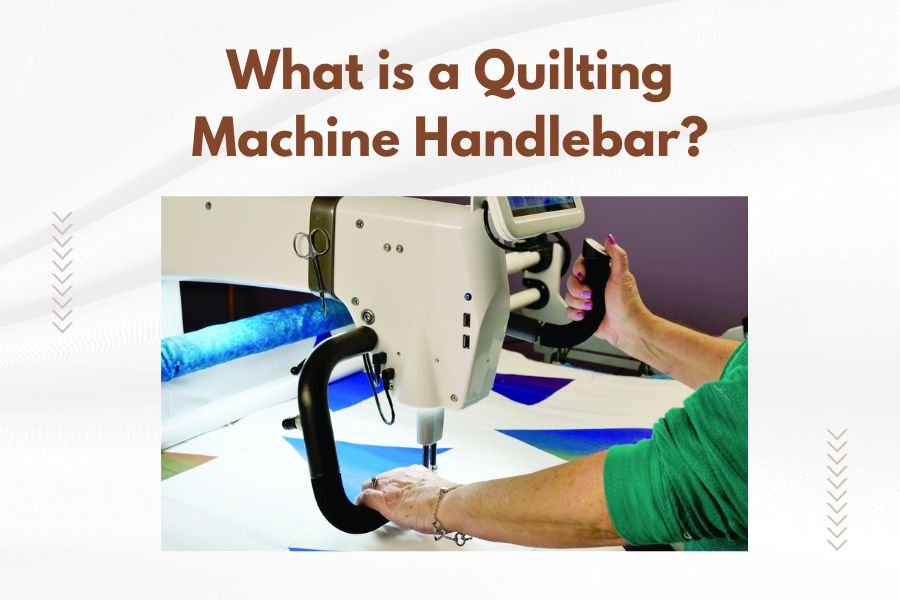
A quilting machine handlebar is the ergonomic handle system that allows you to guide and control your longarm quilting machine as you create beautiful quilted designs.
These handlebars give you precise control over machine movement, letting you steer smoothly across your quilt while maintaining consistent stitching speed and pattern accuracy.
What Makes Quilting Machine Handlebars So Important?
Think of handlebars as your steering wheel for quilting. Without them, you’d have no way to guide your machine smoothly across fabric layers.
I found that most quilters don’t realize how much their handlebars affect their finished work. Poor handlebar design leads to shaky lines, uneven stitches, and tired arms after just an hour of quilting.
Good handlebars make the difference between fighting your machine and dancing with it.
Basic Components of Quilting Machine Handlebars
Every handlebar system has three main parts that work together to give you control.
The Handle Grip Area
This is where your hands rest during quilting. Most grips use rubber or foam padding to reduce hand fatigue.
I’ve researched different grip materials and found that quilters prefer slightly textured surfaces. They prevent slipping without causing blisters during long quilting sessions.
The Mounting System
This connects your handlebars to the quilting machine head. It needs to be rock-solid to prevent wobbling.
Loose mounting systems create shaky stitches. Your beautiful feather designs turn into wiggly lines when handlebars aren’t properly secured.
Control Mechanisms
These include speed controls, needle up/down buttons, and thread cutting switches built right into the handlebars.
Having controls at your fingertips means you never have to let go of the handlebars to adjust settings. This keeps your quilting flow smooth and uninterrupted.
Different Types of Quilting Machine Handlebars
Not all handlebars work the same way. Each type offers different benefits depending on your quilting style.
Standard Fixed Handlebars
These are the most common type found on entry-level longarm machines. They don’t adjust or move.
Fixed handlebars work well for basic quilting patterns. But they can feel limiting if you want to quilt at different angles or heights.
Adjustable Height Handlebars
These let you raise or lower the handle height to match your comfort level.
I found online that adjustable handlebars reduce back strain significantly. Quilters of different heights can all use the same machine comfortably.
Ergonomic Curved Handlebars
These have specially shaped grips that follow your hand’s natural curve. They reduce wrist strain during extended quilting sessions.
Many experts say curved handlebars make a huge difference for quilters with arthritis or repetitive stress injuries.
Laser Light Handlebars
Some advanced handlebars include laser guides that project lines onto your quilt. These help you follow patterns or quilt straight lines.
The laser acts like training wheels for new longarm quilters. You can see exactly where your needle will go before you stitch.
How Handlebars Affect Your Quilting Performance
Your handlebars directly impact every aspect of your quilting quality. Let’s break down exactly how.
Stitch Quality Control
Smooth, steady handlebars create even stitches. Wobbly or poorly designed handlebars cause irregular stitch lengths.
Research shows that consistent handlebar movement produces more professional-looking quilts. Your muscle memory develops better when handlebars respond predictably.
Speed Management
Good handlebars help you maintain consistent quilting speed. This prevents thread breaks and puckering.
When handlebars feel natural in your hands, you can focus on speed control instead of fighting uncomfortable grips.
Pattern Accuracy
Precise handlebar control lets you follow quilting patterns exactly. Small movements translate into accurate needle placement.
I’ve come across quilters who improved their pattern work dramatically just by upgrading their handlebars.
Choosing the Right Handlebars for Your Needs
Selecting handlebars isn’t one-size-fits-all. Your quilting style, physical needs, and machine type all matter.
Consider Your Hand Size
Handlebar grips should feel comfortable in your hands. Too thick or too thin causes cramping.
Most manufacturers offer different grip sizes. If you have small hands, look for slimmer grips. Large hands need wider diameter handles.
Think About Your Quilting Style
Do you quilt geometric patterns or flowing organic designs? Different styles need different handlebar features.
Geometric quilting benefits from laser guides and precise controls. Organic free-motion quilting needs maximum grip comfort and smooth movement.
Factor in Physical Limitations
If you have arthritis, carpal tunnel, or back problems, ergonomic features become essential.
Look for padded grips, adjustable heights, and lightweight materials. Your comfort directly affects how long you can quilt without pain.
Installation and Setup Tips
Proper handlebar installation makes all the difference in performance. Here’s what you need to know.
Height Adjustment Guidelines
Your handlebars should sit at elbow height when you’re standing in quilting position. This reduces shoulder and back strain.
Many quilters set their handlebars too high initially. This forces your shoulders up and creates tension in your neck and upper back.
Securing the Mounting System
Double-check all mounting bolts and connections. Loose handlebars will ruin your quilting accuracy.
I found that most handlebar problems come from incomplete installation rather than defective parts. Take time to tighten everything properly.
Testing Before You Quilt
Always test your handlebars with practice fabric before starting a real project. Check for smooth movement and comfortable grip.
Move the handlebars through all your common quilting motions. Make sure nothing binds or feels awkward during normal use.
Common Handlebar Problems and Solutions
Even good handlebars can develop issues over time. Here are the most common problems I’ve heard about from quilters.
Sticky or Jerky Movement
This usually means your machine needs cleaning or lubrication. Dust and thread lint can clog the handlebar mechanisms.
Clean your machine regularly and follow the manufacturer’s lubrication schedule. Smooth handlebars need smooth machine operation.
Loose or Wobbly Handlebars
Check all mounting bolts and tighten as needed. Vibration during quilting can gradually loosen connections.
Make handlebar inspection part of your regular machine maintenance routine. Catch loose bolts before they affect your quilting.
Uncomfortable Grips
You can often add grip tape or padding to improve comfort. Many quilters customize their handlebars this way.
Just make sure any additions don’t interfere with controls or change the handlebar balance.
Upgrading Your Current Handlebars
Not happy with your current handlebars? Upgrading might be easier than you think.
Aftermarket Options
Many companies make replacement handlebars that fit popular quilting machines. These often offer better ergonomics than factory handlebars.
Research compatibility carefully before buying. Not all handlebars work with all machines, even from the same manufacturer.
Custom Modifications
Some quilters modify their existing handlebars with padding, extensions, or repositioned controls.
Be careful with modifications that affect the machine’s electrical systems. When in doubt, consult your dealer or a qualified technician.
Maintenance and Care
Proper handlebar maintenance keeps them working smoothly for years.
Regular Cleaning
Wipe down handlebars after each quilting session. Hand oils and dust can build up on grips and controls.
Use mild soap and water for most cleaning. Avoid harsh chemicals that might damage rubber grips or electronic components.
Periodic Inspection
Check mounting bolts, cable connections, and control buttons monthly. Early detection prevents bigger problems later.
Look for signs of wear on grips and cables. Replace worn parts before they fail during an important project.
Cost Considerations
Handlebar prices vary widely based on features and quality.
Budget-Friendly Options
Basic replacement handlebars start around $100-200. These usually offer better ergonomics than factory handlebars without breaking the bank.
Premium Features
High-end handlebars with laser guides, multiple controls, and advanced ergonomics can cost $500-800 or more.
Consider how much you quilt when evaluating handlebar investments. Heavy users benefit more from premium features than occasional quilters.
Safety Considerations
Proper handlebar use keeps you safe while quilting.
Maintaining Good Posture
Keep your back straight and shoulders relaxed while holding the handlebars. Poor posture leads to fatigue and injury.
Take regular breaks to stretch and rest your hands. Even the best handlebars can’t prevent overuse injuries.
Electrical Safety
Many handlebars include electrical connections for controls. Keep these connections clean and dry.
Never work on electrical components while your machine is plugged in. Safety first, always.
Conclusion
Quilting machine handlebars are your primary interface with your longarm quilting machine. They control how smoothly you can guide your machine, how comfortable you feel during long quilting sessions, and ultimately how professional your finished quilts look. Good handlebars feel like natural extensions of your hands, letting you focus on creating beautiful designs instead of fighting uncomfortable controls. Whether you’re using basic fixed handlebars or upgrading to an advanced ergonomic system with laser guides, the right handlebars make quilting more enjoyable and produce better results. Take time to choose handlebars that match your quilting style, physical needs, and machine compatibility. Your hands, back, and finished quilts will thank you.
What’s the difference between standard and ergonomic quilting machine handlebars?
Standard handlebars are straight with basic grips, while ergonomic handlebars feature curved shapes that follow your hand’s natural position, padded grips, and adjustable heights. Ergonomic handlebars reduce hand fatigue and wrist strain during extended quilting sessions, making them worth the extra cost for quilters who spend hours at their machines.
Can I install different handlebars on my existing quilting machine?
Most quilting machines accept aftermarket handlebars, but compatibility varies by manufacturer and model. Check your machine’s mounting system and electrical connections before purchasing replacement handlebars. Some machines require specific connector types for handlebar controls to work properly.
How often should I clean and maintain my quilting machine handlebars?
Clean handlebar grips after each quilting session with a damp cloth to remove hand oils and dust. Inspect mounting bolts and electrical connections monthly, and lubricate any moving parts according to your machine’s maintenance schedule. This prevents sticky movement and extends handlebar life.
Why do my handlebars feel loose or wobbly during quilting?
Loose handlebars usually result from mounting bolts that have worked loose due to machine vibration during use. Check all handlebar mounting points and tighten bolts to manufacturer specifications. If wobbling continues after tightening, inspect for worn bushings or damaged mounting hardware that may need replacement.
Are laser guide handlebars worth the extra cost for beginner quilters?
Laser guide handlebars can help beginners learn straight-line quilting and follow pantograph patterns more accurately. However, they’re not essential for learning basic longarm techniques. Consider your budget and quilting goals – if you plan to do lots of geometric patterns or ruler work, laser guides provide helpful visual feedback during the learning process.