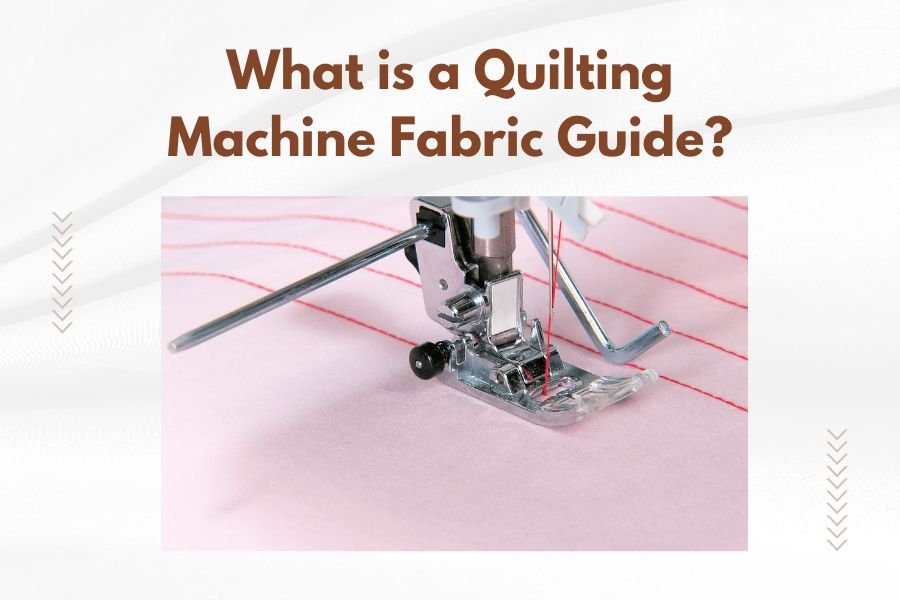
A quilting machine fabric guide is a device that helps control and direct fabric movement during quilting, ensuring straight stitching lines and consistent results.
This essential quilting accessory attaches to your machine and acts like guardrails for your fabric, preventing bunching and keeping your project aligned perfectly.
You know that feeling when your fabric shifts mid-stitch and ruins hours of work? That’s where a fabric guide becomes your best friend. I found through research that most quilting mistakes happen because of fabric movement issues.
Let me walk you through everything you need to know about this game-changing tool.
How Does a Quilting Machine Fabric Guide Work?
Think of a fabric guide like bumpers at a bowling alley. It keeps your fabric moving in the right direction without veering off course.
The guide attaches to your quilting machine’s throat space or bed. As you feed fabric through, it creates boundaries that prevent shifting or bunching.
Your fabric slides smoothly against the guide’s edge. This contact point gives you consistent reference for straight lines and even spacing.
The Basic Mechanics Behind Fabric Guides
Most guides use smooth metal or plastic surfaces. These materials reduce friction while providing firm guidance.
Some models include adjustable components. You can move them closer or farther from your needle based on your project needs.
The key is maintaining just enough contact to guide without restricting natural fabric flow.
Types of Quilting Machine Fabric Guides
I researched different guide styles and found several main categories that serve different quilting needs.
Straight-Line Quilting Guides
These are the most common type. They create perfectly straight parallel lines across your quilt.
You’ll find them in adjustable and fixed versions. Adjustable ones let you change spacing between quilting lines.
Fixed guides work great when you’re doing repetitive patterns with consistent measurements.
Bar-Style Straight Guides
Bar guides extend from your presser foot area. They’re simple but effective for basic straight-line work.
Most attach with screws or clips. Installation takes just a few minutes.
Magnetic Straight Guides
Magnetic versions stick to your machine’s metal surfaces. They’re super easy to position and reposition.
Just be careful with computerized machines. Strong magnets can interfere with electronics.
Circular and Curved Guides
Want to quilt perfect circles or smooth curves? These specialized guides make it possible.
They typically pivot from a center point. You can adjust the radius to create different sized curves.
Some quilters use them for flower patterns, medallions, or geometric designs.
Channel Lock Guides
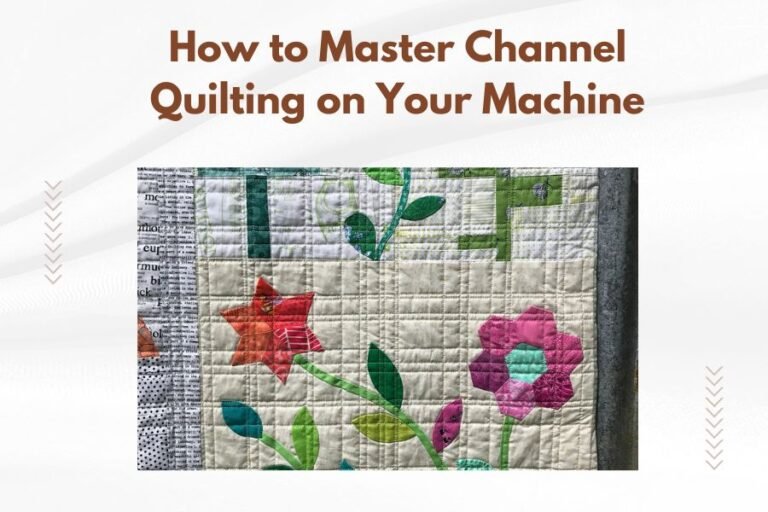
Channel lock guides help with echo quilting and consistent spacing. They follow previously stitched lines.
The guide rides in the “ditch” or channel created by your last row of stitching. This keeps each new line perfectly parallel.
Benefits of Using a Fabric Guide
Why should you invest in a fabric guide? Let me share what I found from quilting experts and user reviews.
Improved Accuracy
Your stitching lines become dramatically more consistent. No more wobbly rows or uneven spacing.
This accuracy matters especially on large quilts where small errors compound over distance.
Time Savings
You’ll spend less time marking quilting lines on your fabric. The guide does the measuring for you.
Fewer mistakes mean less seam ripping and re-sewing. Your projects finish faster.
Professional Results
Even beginning quilters can achieve professional-looking results with proper guides.
Your finished quilts look more polished and refined. Friends will ask where you learned such precise techniques.
Reduced Hand Fatigue
Guides take pressure off your hands and arms. You don’t have to grip and steer fabric as tightly.
This becomes important during long quilting sessions. Your comfort level stays higher throughout the project.
Choosing the Right Fabric Guide
Not all guides work with every machine or project. Here’s how to pick the best one for your needs.
Consider Your Machine Type
Domestic sewing machines need different guides than longarm quilting machines. Check compatibility first.
Measure your machine’s throat space and work area. This determines what size guides will fit.
Match Your Quilting Style
Do you mostly do straight-line quilting? Focus on basic bar or magnetic guides.
If you love curved designs, invest in circular guide systems. They open up more creative possibilities.
Project Size Considerations
Large quilts need guides that accommodate bulk and weight. Look for sturdy construction and smooth surfaces.
Small projects like table runners work fine with lighter, more portable guide options.
Budget-Friendly Options
You don’t need expensive equipment to get started. Basic magnetic guides cost under $20.
Many quilters make DIY guides using rulers and clamps. Start simple and upgrade as your skills grow.
Installation and Setup Tips
Getting your fabric guide positioned correctly makes all the difference in your results.
Proper Alignment Techniques
Start by marking a test line on scrap fabric. Position your guide parallel to this reference line.
Check alignment from multiple angles. A guide that looks straight from the front might be tilted when viewed from the side.
Height Adjustments
Your guide should sit at fabric level or slightly above. Too high and it won’t provide proper guidance.
Too low and it might catch or snag your fabric during quilting.
Testing Before You Start
Always run a test on scrap fabric first. This reveals any alignment issues before they affect your actual quilt.
Adjust positioning until you get perfectly straight, evenly spaced lines.
Common Problems and Solutions
Even with guides, you might encounter some challenges. Here are fixes for typical issues.
Fabric Bunching Under the Guide
This usually means your guide sits too low or your fabric is too thick for the current setup.
Raise the guide slightly or switch to a different attachment method. Sometimes rotating the guide angle helps.
Inconsistent Line Spacing
Check that your guide stays firmly attached throughout quilting. Vibration can cause gradual movement.
Tighten all screws and clamps before starting each quilting session.
Guide Scratching Your Fabric
Rough or sharp edges on cheap guides can damage delicate fabrics. Sand down rough spots or invest in higher quality guides.
Some quilters add tape or fabric strips to guide edges for extra protection.
Maintenance and Care
Keep your fabric guides clean and properly stored. This extends their life and maintains smooth operation.
Regular Cleaning
Fabric lint and thread bits accumulate on guide surfaces. Clean them weekly with a soft brush or compressed air.
Avoid harsh chemicals that might damage plastic components or remove protective coatings.
Storage Best Practices
Store guides in padded containers to prevent scratches and dings. Damaged surfaces can snag fabric.
Keep small parts like screws and washers in labeled containers. You’ll save time when setting up your next project.
Advanced Techniques
Once you master basic guide use, try these advanced approaches for even better results.
Combining Multiple Guides
Some complex patterns benefit from using two guides simultaneously. This creates perfectly parallel channels or borders.
Practice this technique on scraps first. Managing multiple guides takes coordination.
Creating Custom Guide Systems
Experienced quilters often modify or combine commercial guides for unique applications.
You might add extension arms, create custom curves, or build specialized jigs for repetitive patterns.
| Guide Type | Best For | Price Range | Difficulty Level |
|---|---|---|---|
| Basic Bar Guide | Straight lines, beginners | $15-30 | Easy |
| Magnetic Guide | Flexible positioning | $10-25 | Easy |
| Circular Guide | Curved patterns | $40-80 | Medium |
| Channel Lock | Echo quilting | $25-50 | Medium |
Conclusion
A quilting machine fabric guide transforms your quilting from guesswork into precision. Whether you choose a simple magnetic guide or invest in a complete system, you’ll see immediate improvements in your work quality.
Start with basic straight-line guides to learn the fundamentals. As your confidence grows, add specialized guides for curves and complex patterns. Your quilts will thank you with professional results that last for generations.
Remember to test any new guide on scraps first. Take time to get the positioning right, and your quilting projects will flow much smoother. Happy quilting!
Can I use a fabric guide with any quilting machine?
Most fabric guides work with standard domestic sewing machines and longarm quilters, but you need to check compatibility first. Measure your machine’s throat space and attachment points to ensure proper fit.
Do I need different guides for different fabric weights?
Heavy fabrics like denim or multiple quilt layers might require guides with more clearance or different positioning. Lighter fabrics usually work fine with standard guide heights and settings.
How do I prevent my magnetic guide from moving during quilting?
Use stronger magnets designed for quilting machines, and make sure your machine bed is clean. Position the guide on flat metal surfaces rather than curved areas for better grip.
What’s the difference between a seam guide and a quilting guide?
Seam guides help with garment construction and precise seam allowances, while quilting guides focus on decorative stitching patterns and maintaining consistent spacing across larger fabric surfaces.
Can I make my own fabric guide at home?
Yes, many quilters create DIY guides using rulers, clamps, and magnetic strips. While homemade versions work for basic projects, commercial guides offer better precision and durability for serious quilting.