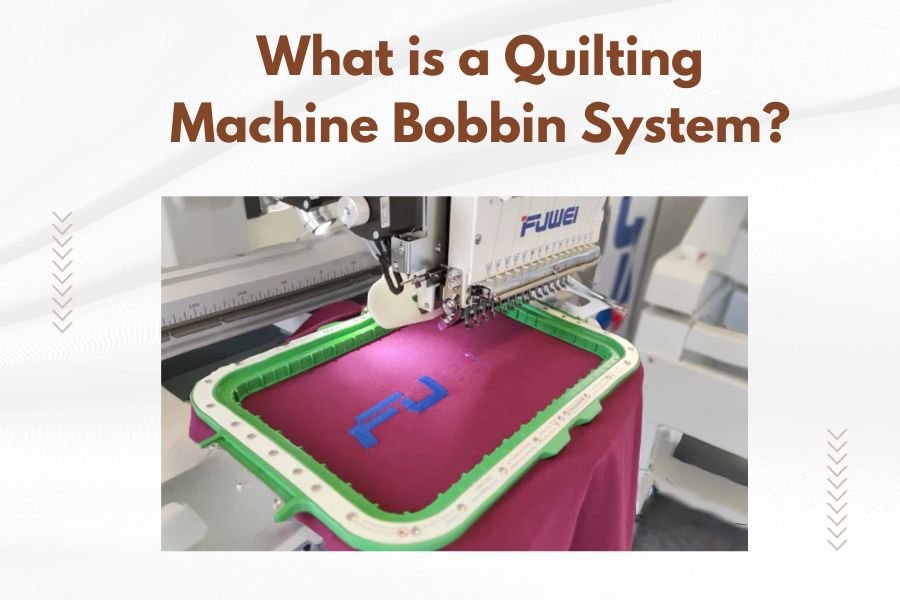
A quilting machine bobbin system is the lower thread mechanism that works with the upper thread to create stitches in your quilting projects.
The bobbin system includes the bobbin case, bobbin, and tension components that control how the bottom thread feeds during quilting.
Understanding Your Quilting Machine’s Bobbin System
Think of your bobbin system as the hidden partner in every stitch. While you thread the top of your machine, the bobbin quietly works below the needle plate.
Every quilting machine needs two threads to make a stitch. The top thread comes from your spool. The bottom thread comes from your bobbin system.
What Makes Up the Bobbin System
Your bobbin system has several key parts working together:
- The bobbin itself (holds the thread)
- Bobbin case (holds and guides the bobbin)
- Tension spring (controls thread flow)
- Hook assembly (catches the upper thread)
Types of Bobbin Systems in Quilting Machines
You’ll find two main types of bobbin systems in quilting machines. Each works differently and affects how you load your bobbin.
Front-Loading Bobbin Systems
Front-loading systems let you insert the bobbin case from the front of your machine. You remove a small cover plate to access the bobbin area.
These systems often give you better thread tension control. Many quilters prefer them for detailed work.
Benefits of Front-Loading Systems
- Easy to see thread levels
- Simple bobbin changes
- Better tension adjustment
- Less thread jamming
Top-Loading Bobbin Systems
Top-loading systems place the bobbin directly into the machine from above. No separate bobbin case needed.
You drop the bobbin into a built-in case under the needle plate. These systems are common in modern quilting machines.
Advantages of Top-Loading Systems
- Quick bobbin changes
- No separate case to lose
- Clear view of remaining thread
- Less complex mechanism
How Your Bobbin System Creates Stitches
The magic happens when your needle pushes down through the fabric. Here’s what occurs in those split seconds:
Your needle carries the top thread down and creates a loop. The hook assembly grabs this loop and pulls it around the bobbin case.
The Stitch Formation Process
This process repeats thousands of times per minute:
- Needle penetrates fabric with top thread
- Hook catches the thread loop
- Loop wraps around bobbin case
- Top and bottom threads interlock
- Feed dogs move fabric forward
Bobbin Thread Tension and Your Quilts
Getting bobbin tension right makes the difference between beautiful quilts and frustrating problems.
I found that most quilting issues come from incorrect bobbin tension. Too tight creates puckered fabric. Too loose makes messy stitches.
Signs Your Bobbin Tension Needs Adjustment
Watch for these tension problems:
- Bottom thread shows on quilt top
- Top thread pulls to the back
- Stitches look uneven or loose
- Thread breaks frequently
Testing Bobbin Tension
Here’s a simple test I learned from quilting experts. Hold your threaded bobbin case and let it dangle.
The case should drop slowly when you jerk the thread gently. If it drops fast, tension is too loose. If it doesn’t drop, tension is too tight.
Common Bobbin System Problems
Even the best quilting machines have bobbin issues sometimes. Let’s fix the most common ones.
Thread Bunching Under Your Quilt
That messy nest of thread under your fabric? We call it “bird’s nesting.” It usually means threading problems.
Check your upper threading first. Many quilters assume it’s a bobbin problem, but the top thread causes most bunching.
Quick Fixes for Thread Bunching
- Rethread your entire machine
- Check bobbin direction (clockwise vs counterclockwise)
- Clean lint from bobbin area
- Use matching thread weights
Bobbin Thread Breaking
Frequent bobbin thread breaks slow down your quilting and create weak spots.
Old thread is often the culprit. Thread gets brittle after a few years, especially in dry climates.
Preventing Bobbin Thread Breaks
- Use fresh, quality thread
- Check for rough spots in bobbin case
- Clean bobbin area regularly
- Don’t overfill bobbins
Choosing the Right Bobbin for Your Machine
Not all bobbins work in every machine. Using the wrong bobbin creates timing and tension problems.
I found that bobbin size and style vary between manufacturers. Always use the bobbin type specified in your manual.
Metal vs. Plastic Bobbins
Both materials work well, but they have different benefits:
| Feature | Metal Bobbins | Plastic Bobbins |
|---|---|---|
| Durability | Last longer | Can crack over time |
| Thread capacity | Slightly more thread | Standard capacity |
| Cost | More expensive | Budget-friendly |
| Machine compatibility | Works in most machines | Check your manual first |
Maintaining Your Bobbin System
A clean bobbin area prevents most quilting problems. Lint and thread bits accumulate quickly during long quilting sessions.
Weekly Cleaning Routine
Spend five minutes each week keeping your bobbin system happy:
- Remove bobbin and case
- Brush out all lint and debris
- Wipe metal parts with dry cloth
- Check for bent or damaged parts
Monthly Deep Cleaning
Once a month, give your bobbin system extra attention. Remove the needle plate if possible and clean underneath.
Many quilting machine manuals show you how to access these areas safely. When in doubt, take your machine to a professional.
Troubleshooting Bobbin System Issues
When your bobbin system acts up, start with the simplest solutions first.
The “Start Fresh” Approach
Before adjusting anything mechanical, try this reset process:
- Remove all thread from machine
- Clean bobbin area thoroughly
- Install fresh bobbin with new thread
- Rethread entire machine carefully
- Test on scrap fabric
When to Call a Professional
Some bobbin problems need expert help. Don’t attempt these repairs yourself:
- Hook timing issues
- Bent or damaged hook assembly
- Motor problems affecting bobbin winding
- Electronic tension control malfunctions
Conclusion
Your quilting machine bobbin system might work behind the scenes, but it plays a starring role in every stitch. Understanding how it works helps you troubleshoot problems and create better quilts.
Remember that most bobbin issues come from simple causes like incorrect threading, dirty mechanisms, or worn thread. Start with basic maintenance and fresh thread before assuming you need major repairs.
Take care of your bobbin system, and it will take care of your quilting projects for years to come.
What’s the difference between Class 15 and Class 66 bobbins?
Class 15 bobbins are smaller and more common in modern machines, while Class 66 bobbins are larger and found in older or heavy-duty machines. Always check your manual to use the correct size for proper tension and timing.
Can I use pre-wound bobbins in my quilting machine?
Pre-wound bobbins work in most machines, but wind your own when possible. Pre-wound bobbins may have different tension characteristics and don’t always match your upper thread perfectly.
Why does my bobbin thread keep running out so quickly?
Quick bobbin depletion usually means your upper thread tension is too tight, pulling extra bobbin thread to the surface. Adjust your upper tension slightly looser and check that you’re using the correct needle size for your thread weight.
How do I know if my bobbin case needs replacement?
Replace your bobbin case if you find cracks, rough spots that snag thread, or if the tension spring becomes bent or loose. A damaged bobbin case will cause consistent thread problems that cleaning won’t fix.
Should I empty my bobbin case when storing my quilting machine?
Remove thread from your bobbin case during long-term storage to prevent the tension spring from staying compressed. This helps maintain proper tension adjustment and extends the life of your bobbin system components.