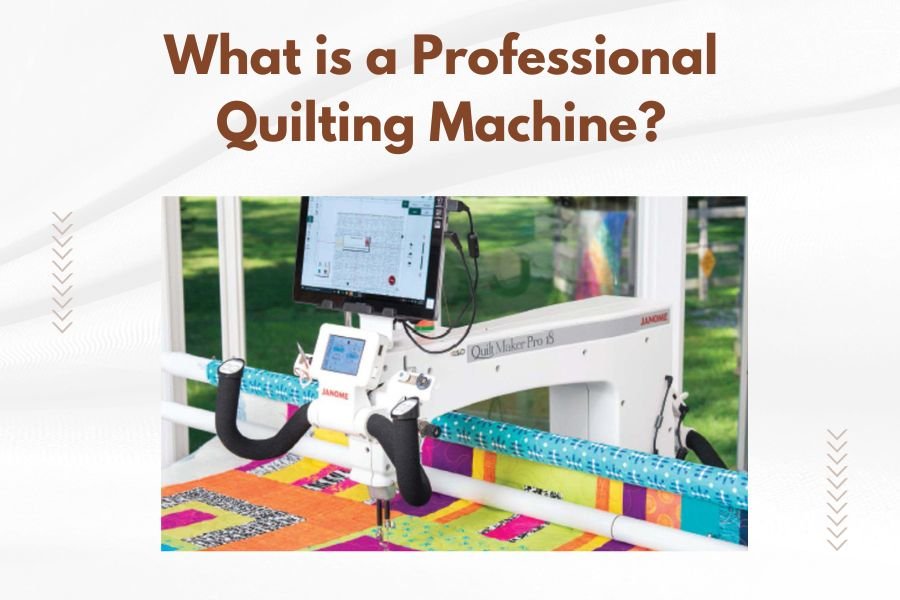
A professional quilting machine is a specialized long-arm or computerized machine designed for high-volume, precise quilt finishing with advanced features like pattern automation and large throat space.
These machines allow quilters to work on full-size quilts efficiently, offering professional-quality stitching patterns and faster completion times than standard home sewing machines.
What Makes a Quilting Machine “Professional”?
You might wonder what separates a professional quilting machine from your regular sewing machine. The difference is like comparing a race car to your daily commuter.
Professional quilting machines have three key features that set them apart. First, they offer extended throat space – often 18 to 30 inches or more. Second, they provide specialized quilting stitches and automated pattern capabilities. Third, they’re built for heavy-duty use with stronger motors and frames.
Extended Throat Space
The throat space is the area between the needle and the machine’s body. Standard sewing machines typically have 6-9 inches of throat space. Professional quilting machines give you much more room to maneuver large quilts.
Think of it like trying to gift-wrap a large box on a small table versus having a huge workspace. More space means less cramming and wrestling with your quilt layers.
Automated Features
Many professional machines come with computerized pattern systems. You can select from hundreds of built-in designs or upload your own custom patterns. The machine handles the stitching while you guide the fabric.
Some models even include pantograph systems – templates that help you create consistent, repeating patterns across your entire quilt.
Types of Professional Quilting Machines
Professional quilting machines fall into three main categories. Each serves different needs and budgets.
Long-Arm Quilting Machines
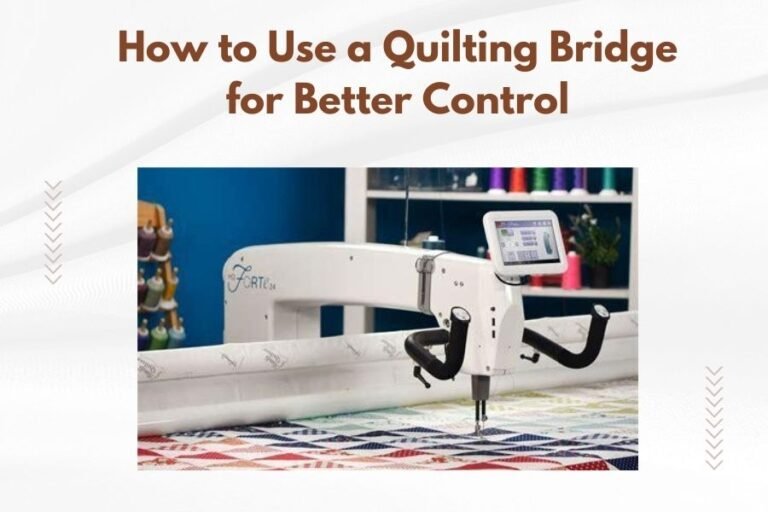
Long-arm machines are the gold standard for professional quilters. These machines sit on large frames, often 10-14 feet long. You roll your quilt layers onto the frame and move the machine head across the stationary quilt.
I found that most professional quilting services use long-arm machines because they handle king-size quilts easily. The setup looks impressive – like a small printing press for fabric.
Frame-Mounted Systems
Frame-mounted long-arms offer the most stability and precision. The quilt stays perfectly flat while you work. These systems typically cost $15,000 to $40,000 or more.
Sit-Down Long-Arms
These compact versions let you sit while quilting. They’re easier on your back and take up less space than full-frame systems. Prices usually range from $8,000 to $20,000.
Mid-Arm Quilting Machines
Mid-arm machines bridge the gap between home sewing machines and full long-arms. They typically have 15-20 inches of throat space and can accommodate frames up to queen size.
These machines cost less than long-arms – usually $3,000 to $12,000. They’re perfect if you want professional results but have space or budget limits.
High-End Domestic Machines
Some domestic sewing machines qualify as professional quilting tools. These machines have 9-11 inches of throat space and advanced computerized features.
Brands like Bernina, Janome, and Brother make domestic machines with professional-grade quilting capabilities. Prices range from $2,000 to $8,000.
Key Features to Look For
When shopping for a professional quilting machine, certain features make your work easier and more efficient.
Stitch Regulation
Stitch regulation keeps your stitches the same length regardless of how fast or slow you move the machine. It’s like cruise control for quilting.
Manual mode gives you complete control over stitch length. Regulated mode maintains consistent stitching automatically. Most professionals prefer machines that offer both options.
Speed Control
Professional machines should let you adjust stitching speed precisely. Look for machines with both hand-wheel speed control and foot pedal options.
Maximum speeds typically range from 1,500 to 3,000 stitches per minute. Faster isn’t always better – you want smooth, controllable speed changes.
Pattern Systems
Computerized pattern systems can save you hours of work. The machine follows programmed designs while you guide the fabric or move the machine head.
Basic systems include 50-100 built-in patterns. Advanced systems let you create, edit, and import custom designs. Some connect to tablets or computers for pattern management.
Edge-to-Edge Quilting
This feature automatically quilts repeating patterns across your entire quilt. You set the pattern size and spacing, then let the machine work.
Custom Digitizing
Some machines let you digitize hand-drawn patterns or convert images into stitching files. This feature opens up unlimited design possibilities.
Professional vs Home Machine Comparison
| Feature | Home Sewing Machine | Professional Quilting Machine |
|---|---|---|
| Throat Space | 6-9 inches | 15-30+ inches |
| Maximum Quilt Size | Baby to Twin | King size and larger |
| Speed | 800-1,200 SPM | 1,500-3,000 SPM |
| Automated Patterns | Basic or none | Hundreds available |
| Price Range | $200-$2,000 | $3,000-$40,000+ |
Who Needs a Professional Quilting Machine?
Not everyone needs a professional quilting machine. But certain situations make them worthwhile investments.
Quilting Business Owners
If you quilt for customers, a professional machine pays for itself through efficiency and quality. You can finish quilts faster and take on larger projects.
Research shows that professional quilting services typically charge $0.02 to $0.05 per square inch. A king-size quilt (108″ x 108″) could earn $233 to $583 in quilting fees alone.
Serious Hobby Quilters
Do you make multiple large quilts per year? Does your current machine limit your creativity or frustrate you with small throat space? A professional machine might be worth considering.
Many quilters find that professional machines reignite their passion for the craft. The improved capabilities and smoother workflow make quilting more enjoyable.
Guild or Community Quilters
Some quilting guilds or community centers purchase professional machines for shared use. Members can rent time on the machine for their projects.
Cost Considerations
Professional quilting machines represent a significant investment. But the costs go beyond the initial purchase price.
Initial Purchase Price
Entry-level professional machines start around $3,000. Mid-range systems cost $8,000 to $15,000. High-end computerized long-arms can exceed $40,000.
Many dealers offer financing options with monthly payments. Some quilters rent machines by the day or week before buying.
Setup and Installation
Large machines require professional delivery and setup. Factor in $200 to $500 for white-glove delivery service.
You’ll also need adequate space – long-arm machines need rooms at least 12 feet by 8 feet with good lighting and electrical outlets.
Training and Education
Most dealers include basic training with purchase. Advanced classes cost $200 to $500 but help you master your machine’s capabilities.
Online training resources and user communities provide ongoing education opportunities.
Maintenance Requirements
Professional machines need regular maintenance to perform their best. Think of it like caring for a high-performance car.
Daily Maintenance
Clean lint from the machine after each use. Oil moving parts according to the manual – usually every 8 hours of use.
Check thread tension and needle condition regularly. Dull or bent needles cause poor stitch quality and can damage your machine.
Professional Servicing
Schedule professional tune-ups annually or after 200-300 hours of use. Technicians will clean, adjust, and replace worn parts.
Service calls typically cost $150 to $300 depending on your location and machine complexity.
Popular Professional Quilting Machine Brands
Several manufacturers dominate the professional quilting machine market. Each offers different strengths and specialties.
HandiQuilter
HandiQuilter focuses exclusively on quilting machines. Their HQ series includes both mid-arm and long-arm options with strong computerized features.
I found that many quilting shops recommend HandiQuilter for first-time professional machine buyers. They offer excellent support and training programs.
APQS (American Professional Quilting Systems)
APQS machines are known for durability and precision. They manufacture both manual and computerized long-arm systems.
Many commercial quilting operations choose APQS machines for their reliability under heavy use.
Gammill
Gammill has been making quilting machines since 1945. They offer a full range from basic long-arms to advanced computerized systems.
Innova
Innova specializes in affordable long-arm machines. Their systems often provide good value for quilters entering the professional market.
Space and Setup Requirements
Professional quilting machines need more than just floor space. You’re creating a dedicated quilting studio.
Room Dimensions
Long-arm machines typically need 12-14 feet of length and 8-10 feet of width. Add extra space for walking around the machine and storing supplies.
Ceiling height should be at least 8 feet. Some quilters prefer 9-10 feet to accommodate overhead lighting and ventilation.
Lighting Requirements
Good lighting prevents eye strain during long quilting sessions. Install bright, even lighting above your work area.
LED light bars designed for quilting machines provide focused illumination without heat buildup.
Electrical Needs
Most professional machines need dedicated 110V circuits. Computerized systems may require additional outlets for tablets, computers, or pattern projectors.
Learning Curve and Skill Development
Transitioning to a professional quilting machine involves learning new techniques and workflows.
Initial Adjustment Period
Expect 2-4 weeks to feel comfortable with your new machine. The hand-eye coordination for long-arm quilting differs from regular sewing.
Start with simple patterns and practice quilts. Don’t attempt complex custom work until you’ve mastered basic machine operation.
Building Professional Skills
Professional quilting involves more than just running the machine. You’ll need to learn quilt loading, tension adjustment, and pattern planning.
Join online communities and local quilting groups. Experienced users share valuable tips and troubleshooting advice.
Return on Investment
Can a professional quilting machine pay for itself? The answer depends on how you use it.
Business Income Potential
Professional quilters typically charge based on quilt size and pattern complexity. Simple edge-to-edge patterns might earn $0.02 per square inch, while custom work can command $0.05 or more.
A busy quilter completing 2-3 quilts per week could generate $2,000 to $4,000 monthly revenue. After expenses, many quilting businesses achieve 40-60% profit margins.
Time Savings Value
Even if you don’t quilt professionally, time savings have value. A professional machine might complete quilts 3-5 times faster than hand quilting or using a domestic machine.
If you make 6-8 quilts per year, the time savings could justify the machine cost over several years.
Conclusion
A professional quilting machine transforms how you approach quilt making. These specialized tools offer extended throat space, automated features, and the capability to handle large projects efficiently. Whether you’re starting a quilting business or want to take your hobby to the next level, professional machines provide the speed, precision, and creative possibilities that standard sewing machines cannot match. The investment is significant, but for serious quilters, the improved results and expanded capabilities make it worthwhile. Consider your space, budget, and quilting goals carefully before choosing the right professional machine for your needs.
What’s the difference between a long-arm and mid-arm quilting machine?
Long-arm machines have 18-30+ inches of throat space and typically mount on large frames, while mid-arm machines offer 15-20 inches of throat space in a more compact design. Long-arms handle larger quilts more easily but require more space and cost more.
How much space do I need for a professional quilting machine?
Most long-arm machines need a room at least 12-14 feet long by 8-10 feet wide. Mid-arm and high-end domestic machines can work in smaller spaces, typically requiring 6-8 feet by 4-6 feet of floor space.
Can I make money with a professional quilting machine?
Yes, many quilters earn income by offering quilting services to other quilters. Professional quilting services typically charge $0.02-$0.05 per square inch, and busy quilters can generate $2,000-$4,000 monthly revenue with proper marketing and customer base development.
How long does it take to learn to use a professional quilting machine?
Most quilters need 2-4 weeks of regular practice to feel comfortable with basic operations. Mastering advanced features and developing professional-quality skills typically takes 3-6 months of consistent use and practice.
Do professional quilting machines require special maintenance?
Yes, professional machines need daily cleaning and oiling after every 8 hours of use. They also require annual professional servicing that costs $150-$300 to maintain optimal performance and prevent costly repairs.