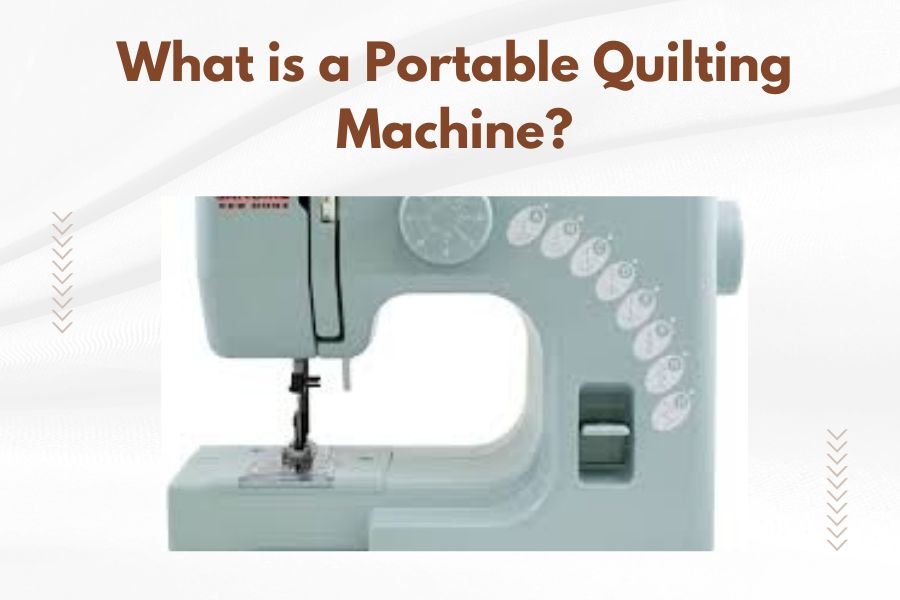
A portable quilting machine is a compact, lightweight sewing machine designed to handle quilting projects while being easily movable from one location to another.
These machines typically weigh between 15-35 pounds and offer specialized quilting features like extended throat space, adjustable speed control, and built-in quilting stitches.
You know that feeling when you want to quilt at your friend’s house or take your project to a quilting retreat? That’s where portable quilting machines shine. They give you the power of a full-sized quilting machine without the permanent setup.
Let me walk you through everything you need to know about these handy machines. I’ve researched the market extensively and found some surprising details that might change how you think about quilting on the go.
What Makes a Quilting Machine “Portable”?
The term “portable” in quilting doesn’t mean pocket-sized. It means you can realistically move the machine without hiring a crew.
Most portable quilting machines have three key traits. First, they weigh less than 40 pounds. Second, they come with carrying cases or built-in handles. Third, they set up quickly without complicated assembly.
I found that many quilters define portable differently. Some want a machine they can carry upstairs. Others just need something that fits in their car trunk for guild meetings.
Weight Considerations
Weight matters more than you might think. A 20-pound machine feels manageable for most people. A 35-pound machine might need two people to lift safely.
I researched user reviews and found that machines over 30 pounds often stay put once you place them. The “portable” becomes more theoretical than practical for many users.
Size and Dimensions
Portable quilting machines typically measure 18-24 inches wide and 12-16 inches deep. Height varies from 10-14 inches with the cover on.
These dimensions let them fit on most dining tables or folding work surfaces. You don’t need a dedicated sewing room to use them effectively.
Key Features of Portable Quilting Machines
Not all portable machines handle quilting well. The good ones share specific features that make quilting easier and more enjoyable.
Extended Throat Space
Throat space is the distance from the needle to the machine’s body. Regular sewing machines often have 6-7 inches. Quilting machines need more room to handle bulky quilt layers.
Most portable quilting machines offer 8-11 inches of throat space. This extra room lets you maneuver larger quilt sections without fighting the machine.
Speed Control Options
Quilting requires different speeds for different tasks. You might want slow, precise stitching for detailed work and faster speeds for long straight seams.
Good portable quilting machines include variable speed dials or knee lifters. Some offer programmable speed settings you can switch between quickly.
Built-in Quilting Stitches
While you can quilt with a basic straight stitch, having options helps. Many portable machines include:
- Decorative quilting stitches
- Blanket stitches for binding
- Buttonhole stitches for hanging sleeves
- Free-motion quilting capabilities
Types of Portable Quilting Machines
The portable quilting world splits into several categories. Each type serves different needs and budgets.
High-End Portable Models
These machines cost $2000-$6000 and offer professional-grade features in a movable package. They often include computerized controls, automatic threading, and extensive stitch libraries.
I found these machines popular with serious quilters who travel to workshops or have limited space at home.
Mid-Range Quilting Machines
Priced between $800-$2000, these machines balance features with affordability. They typically offer good throat space, decent stitch options, and reliable performance.
This category makes up the largest portion of the portable quilting market. Most quilters find them powerful enough for their projects.
Budget-Friendly Options
Under $800, you’ll find machines that handle basic quilting tasks. They might have limited throat space or fewer built-in stitches, but they get the job done.
New quilters often start here to test their interest before investing in expensive equipment.
Benefits of Portable Quilting Machines
Why choose portable over stationary? The advantages go beyond just moving the machine around.
Space Efficiency
You don’t need a dedicated sewing room. Set up on the kitchen table, pack away when done. This flexibility works well for quilters with limited space.
I came across many apartment dwellers who couldn’t quilt without portable machines. They store them in closets and pull them out for projects.
Social Quilting Opportunities
Quilting guilds, retreats, and sew-along events become accessible when you can bring your own machine. You’re not limited to hand quilting or borrowing equipment.
Many quilters report that portable machines opened up new social connections in their quilting communities.
Ergonomic Flexibility
You can adjust your workspace height and angle by changing tables or adding extensions. This adaptability helps prevent repetitive strain injuries.
Fixed installations often lock you into one position, which can cause discomfort during long quilting sessions.
Limitations to Consider
Portable quilting machines aren’t perfect. They involve trade-offs you should understand before buying.
Power Limitations
Portable machines typically have less powerful motors than full-sized quilting systems. This can affect their ability to handle very thick batting or multiple fabric layers.
I researched motor specifications and found most portable units range from 0.5 to 1.5 amps, compared to 2+ amps for stationary systems.
Throat Space Constraints
Even with extended throat space, portable machines can’t match long-arm quilting systems. King-size quilts become challenging to maneuver.
Most portable machines work best with lap quilts, wall hangings, and twin-size projects.
Stability Concerns
Lighter machines can vibrate or shift during use, especially at higher speeds. You might need to secure them to your work surface or use rubber mats.
This issue becomes more noticeable with free-motion quilting, where you’re moving the fabric in all directions.
Choosing the Right Portable Quilting Machine
With so many options available, how do you pick the right one for your needs?
Assess Your Quilting Style
Do you prefer straight-line quilting or free-motion designs? Traditional patterns or modern art quilts? Your style affects which features matter most.
Free-motion quilters need excellent stitch regulation and smooth fabric feeding. Traditional quilters might prioritize built-in pattern stitches.
Consider Your Physical Needs
Can you comfortably lift 25 pounds? Do you have back problems that make bending over difficult? Your physical capabilities should guide your choice.
Some machines include height-adjustable legs or tilting work surfaces that improve ergonomics.
Evaluate Your Budget
Set a realistic budget that includes accessories. You’ll likely need a cutting mat, rulers, special presser feet, and thread.
I found that accessories can add 20-30% to your initial machine cost, so plan for these extras.
Popular Brands and Models
Several manufacturers dominate the portable quilting machine market. Each has strengths and weaknesses.
Brother Quilting Machines
Brother offers several portable models known for reliability and user-friendly features. Their machines often include good tutorial materials and responsive customer service.
I found Brother machines popular with beginners due to their intuitive controls and comprehensive instruction manuals.
Janome Options
Janome builds sturdy machines with excellent stitch quality. They tend to cost more but often last longer than budget alternatives.
Many quilting instructors recommend Janome for students who plan to quilt seriously long-term.
Singer Quilting Models
Singer offers budget-friendly options that handle basic quilting tasks well. They might lack advanced features but provide good value for occasional quilters.
New quilters often start with Singer machines to learn techniques before upgrading to more expensive models.
Setting Up Your Portable Quilting Station
Having a great machine is just the start. You need a proper setup to quilt effectively.
Table and Surface Requirements
Your work surface should be sturdy enough to handle machine vibration and large enough to support your quilt. A dining table works for small projects, but larger quilts need more space.
Consider getting extension tables that attach to your machine. These provide additional support for heavy quilts.
Lighting Considerations
Good lighting prevents eye strain and helps you see stitch lines clearly. Position lights to minimize shadows around your needle area.
LED task lights work well because they produce bright, even illumination without generating heat.
Storage Solutions
You’ll need space for thread, fabric, tools, and accessories. Rolling carts or portable organizers keep everything within reach while maintaining mobility.
I found that quilters who plan their storage systems enjoy their portable setups much more than those who improvise.
Maintenance and Care
Portable machines need regular maintenance to perform well. The good news is that most maintenance tasks are simple and quick.
Regular Cleaning
Lint and fabric dust accumulate quickly in quilting machines. Clean your machine after every few projects or whenever you notice performance issues.
Use the small brush that came with your machine to remove lint from the bobbin area and feed dogs.
Oil and Lubrication
Some machines need periodic oiling, while others are self-lubricating. Check your manual for specific requirements and schedules.
Using the wrong oil or over-oiling can cause more problems than neglect, so follow manufacturer guidelines exactly.
Cost Considerations
Understanding the total cost of portable quilting helps you budget appropriately and avoid surprises.
Initial Machine Cost
Portable quilting machines range from $300 for basic models to $6000 for high-end computerized versions. Most quilters find good options in the $800-$2000 range.
Essential Accessories
Budget for a walking foot ($50-$100), quilting rulers ($20-$40 each), and specialty threads ($8-$15 per spool). These accessories significantly improve your quilting results.
Ongoing Maintenance Costs
Annual servicing costs $75-$150 depending on your location and the complexity of your machine. Regular maintenance prevents expensive repairs later.
Conclusion
Portable quilting machines open up new possibilities for quilters who want flexibility without sacrificing quality. They let you quilt in different locations, store equipment efficiently, and adapt your workspace to your needs.
The key is choosing a machine that matches your quilting style, physical capabilities, and budget. Don’t get caught up in features you won’t use, but make sure you have enough power and throat space for your typical projects.
Start by trying machines at quilt shops or guild meetings. Many quilters find that hands-on experience reveals preferences they never expected. Once you find the right portable quilting machine, you’ll wonder how you ever quilted without that flexibility.
What’s the difference between a portable quilting machine and a regular sewing machine?
Portable quilting machines have extended throat space (8-11 inches vs 6-7 inches), variable speed controls, and specialized quilting stitches. They’re designed to handle the bulk and weight of quilt layers more effectively than standard sewing machines.
Can portable quilting machines handle king-size quilts?
While possible, king-size quilts are challenging on portable machines due to weight and bulk. Most portable quilting machines work best with lap quilts, wall hangings, and twin-size projects. You’ll need to plan your quilting approach carefully for larger sizes.
How much should I expect to spend on a good portable quilting machine?
Most quilters find excellent portable quilting machines in the $800-$2000 range. Add 20-30% for essential accessories like walking feet, rulers, and specialty threads. Budget models under $800 work for beginners, while professional features cost $2000-$6000.
Do I need special training to use a portable quilting machine?
Basic sewing skills help, but most portable quilting machines include detailed manuals and built-in tutorials. Many quilt shops offer classes specifically for new machine owners. Online videos and local quilting guilds also provide excellent learning resources.
How often should I service my portable quilting machine?
Annual professional servicing is recommended for most quilters, costing $75-$150. Clean lint and dust after every few projects, and oil according to your manual’s schedule. Heavy users might need servicing twice yearly, while occasional quilters can extend the interval slightly.