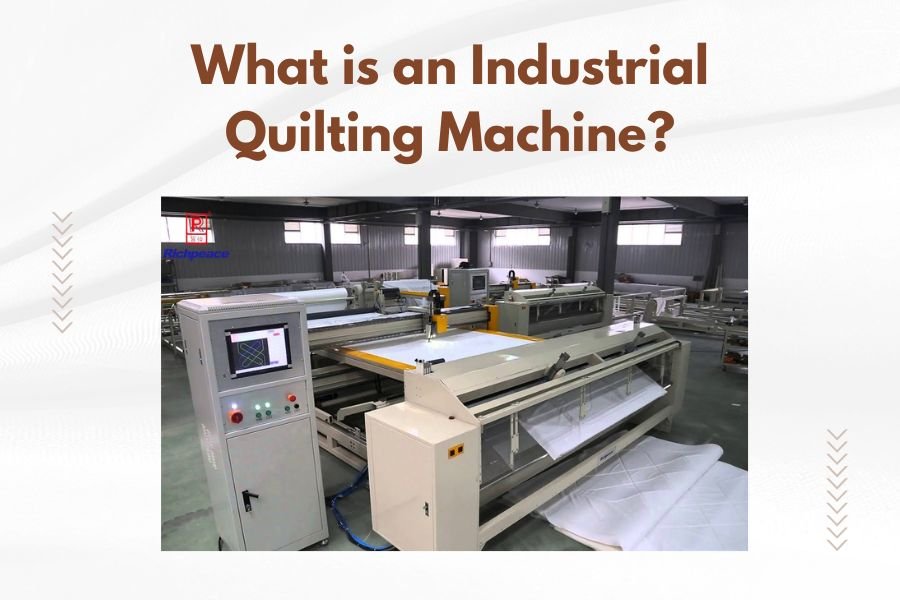
An industrial quilting machine is a heavy-duty sewing machine designed to stitch multiple fabric layers together with batting in between, creating quilted products on a commercial scale.
These powerful machines can handle thick materials, work at high speeds, and produce consistent results for businesses manufacturing bedding, clothing, and textile products.
How Industrial Quilting Machines Work
Think of an industrial quilting machine as a super-powered version of your home sewing machine. But instead of stitching just two pieces of fabric together, it handles three layers at once.
The machine feeds fabric from the bottom, batting (the fluffy middle layer) in between, and another fabric layer on top. Multiple needles punch through all three layers simultaneously. This creates the distinctive quilted pattern you see on mattress pads and winter jackets.
The Basic Components
Every industrial quilting machine has these key parts working together:
- Feed system that moves fabric smoothly
- Multiple needle heads (often 15-33 needles)
- Thread tension controls for each needle
- Batting dispensing system
- Cutting mechanism for finished products
Types of Industrial Quilting Machines
You’ll find several types when shopping for industrial equipment. Each serves different business needs and budgets.
Multi-Needle Chain Stitch Machines
These workhorses use chain stitching to create parallel lines across your material. They’re perfect for basic quilting patterns like straight lines or diamonds.
Chain stitch machines work fast and handle heavy materials well. You’ll see them in factories making comforters and sleeping bags.
Lock Stitch Quilting Machines
Lock stitch machines create stronger, more durable seams. They use both top and bottom threads that lock together through the fabric layers.
These machines cost more but produce higher quality results. Clothing manufacturers often prefer lock stitch for jackets and vests.
Single Needle vs Multi-Needle
Single needle machines give you more pattern flexibility. You can create curved designs and custom shapes easily.
Multi-needle machines prioritize speed over creativity. They excel at repetitive patterns across wide fabric sheets.
Computerized Quilting Systems
Modern computerized systems let you program complex patterns. You can store designs, adjust stitch density, and monitor production automatically.
These high-tech machines reduce operator skill requirements. Your staff can focus on loading materials while the computer handles precision work.
Key Features to Consider
Shopping for industrial equipment means weighing several important factors. Here’s what matters most for your business success.
Stitching Speed and Capacity
Speed determines your daily production volume. Entry-level machines stitch around 400-600 stitches per minute. High-end models reach 1,000+ stitches per minute.
But remember – faster isn’t always better. Higher speeds can reduce stitch quality on challenging materials.
Working Width
Industrial machines typically handle 64″ to 126″ working widths. Wider machines let you process king-size bedding in single passes.
Consider your product mix carefully. Narrow machines cost less but limit your market opportunities.
Thread Management Systems
Professional thread management prevents costly production stops. Look for automatic thread break detection and easy threading mechanisms.
Some machines include thread trimming systems that cut excess thread automatically. This feature saves significant finishing time.
Material Handling
Smooth material feeding prevents bunching and skipped stitches. Better machines include adjustable pressure feet and synchronized feed systems.
Edge guides keep your fabric aligned during long production runs. This consistency matters for professional results.
Common Applications in Industry
Industrial quilting machines serve many different markets. Understanding these applications helps you choose the right equipment.
Bedding and Home Textiles
Mattress pads, comforters, and blankets represent the largest quilting market. These products need consistent patterns across large surfaces.
From what I read in industry reports, bedding manufacturers typically run 16-24 hours daily to meet demand (Textile World).
Apparel Manufacturing
Quilted jackets, vests, and winter clothing require precise stitching. Garment factories need machines that handle curved seams and varied thicknesses.
Athletic wear companies use quilting for insulated sports clothing. The stitching must withstand washing and stretching.
Automotive and Marine Industries
Car seat covers and boat cushions need heavy-duty quilting. These applications demand strong stitching and weather-resistant threads.
Automotive suppliers often specify exact stitch patterns for brand consistency across product lines.
Technical Textiles
Insulation materials, protective clothing, and filtration products use specialized quilting techniques.
These markets pay premium prices for precise work. Quality standards are typically higher than consumer goods.
Choosing the Right Machine Size
Machine size affects both your capabilities and costs. Here’s how to match equipment to your business goals.
Production Volume Requirements
Calculate your daily production needs before shopping. A small operation making 50 comforters daily needs different equipment than a factory producing 500.
Consider growth plans too. Buying slightly larger capacity now can save expensive upgrades later.
Space and Power Considerations
Industrial quilting machines need substantial floor space. Measure your facility carefully, including material loading and finished goods storage areas.
Power requirements vary widely. Large machines may need 220V or 440V electrical service. Plan electrical upgrades during machine selection, not after delivery.
Maintenance and Operating Costs
Smart buyers consider total ownership costs, not just purchase price. Here’s what impacts your long-term expenses.
Regular Maintenance Needs
Daily cleaning prevents lint buildup that causes thread breaks. Oil lubrication points according to manufacturer schedules.
Needle replacement frequency depends on materials and production volume. Budget for needles, oil, and cleaning supplies monthly.
Thread and Supply Costs
Industrial thread costs add up quickly on high-volume machines. Research found that thread typically represents 3-5% of production costs (Textile Research Journal).
Buying quality thread reduces breaks and improves finished product appearance. Cheap thread often costs more through production delays.
Operator Training Requirements
Skilled operators produce better results with less waste. Plan training time and costs when adding new equipment.
Many manufacturers offer training programs. Some include initial training in equipment purchase prices.
Safety Considerations
Industrial quilting machines pose several safety risks. Proper precautions protect your workers and reduce liability.
Needle Guards and Safety Features
Modern machines include needle guards that prevent accidental contact. Light curtains can stop machines when operators reach into danger zones.
Emergency stop buttons should be easily accessible from operator positions. Test safety systems regularly to ensure proper function.
Noise and Ergonomic Factors
Industrial machines generate significant noise levels. Provide hearing protection and consider sound dampening materials.
Operator fatigue increases accident risk. Design workstations with proper height and comfortable working positions.
Conclusion
Industrial quilting machines transform raw materials into finished products that people use daily. Whether you’re starting a small quilting business or expanding manufacturing capacity, understanding these machines helps you make smart equipment decisions.
Focus on your specific production needs, available space, and growth plans. The right machine balances speed, quality, and cost for your unique situation. Remember that operator training and proper maintenance determine long-term success as much as equipment selection.
Take time to visit manufacturers, see machines running, and talk with current users. This research investment pays dividends through years of reliable production.
What’s the difference between industrial and home quilting machines?
Industrial machines handle much thicker materials, run faster, and include multiple needles for production efficiency. Home machines focus on pattern variety and ease of use for single projects.
How much space do I need for an industrial quilting machine?
Most industrial quilting machines need 20-30 feet of length and 10-15 feet of width, including material handling areas. Height clearance should be at least 8-10 feet for overhead systems.
Can industrial quilting machines handle different fabric types?
Yes, but you may need different needle types, thread tensions, and feed speeds. Cotton, polyester, and synthetic materials each require specific machine adjustments for best results.
What’s the typical lifespan of an industrial quilting machine?
Well-maintained industrial quilting machines often last 15-25 years in production environments. Regular maintenance and proper operator training extend machine life significantly.
Do I need special electrical requirements for industrial quilting machines?
Most industrial machines require 220V or 440V three-phase power, depending on size and features. Consult with an electrician about power requirements before machine delivery.