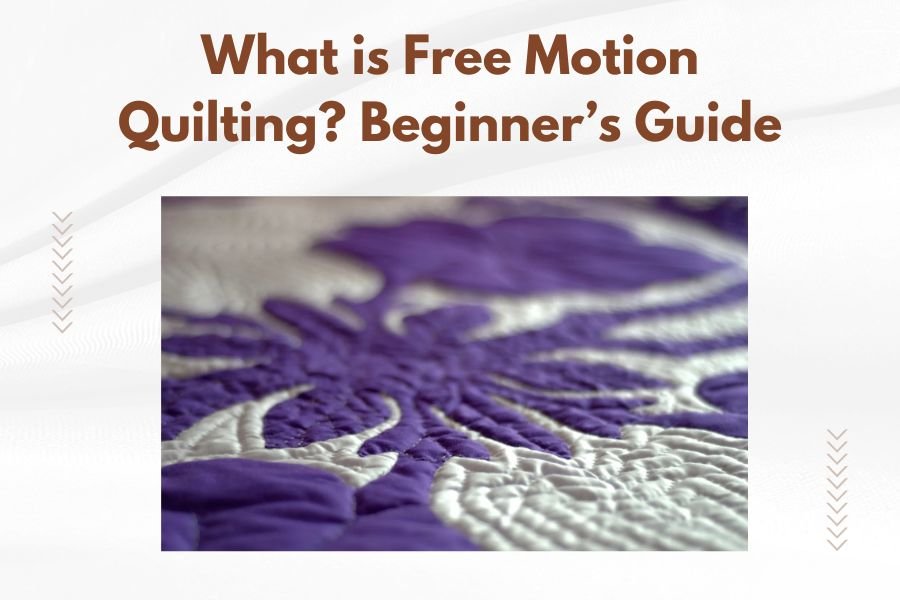
Free motion quilting is a technique where you move the fabric freely under the needle while the feed dogs are lowered, allowing you to create curved lines, loops, and artistic patterns by hand-guiding the quilt.
This quilting method gives you complete control over stitch direction and design, making it perfect for adding texture and personal flair to your quilting projects.
What Makes Free Motion Quilting Different
Regular quilting keeps your fabric moving in straight lines. The machine’s feed dogs pull the fabric forward automatically. You just guide it along.
Free motion quilting flips this around completely. You lower those feed dogs and take full control. Now you can move the fabric in any direction you want.
Think of it like drawing with thread. Your hands become the steering wheel, and the needle becomes your pencil.
The Basic Setup
You’ll need a few things to get started. First, lower your feed dogs using the switch on your machine. Next, attach a free motion quilting foot.
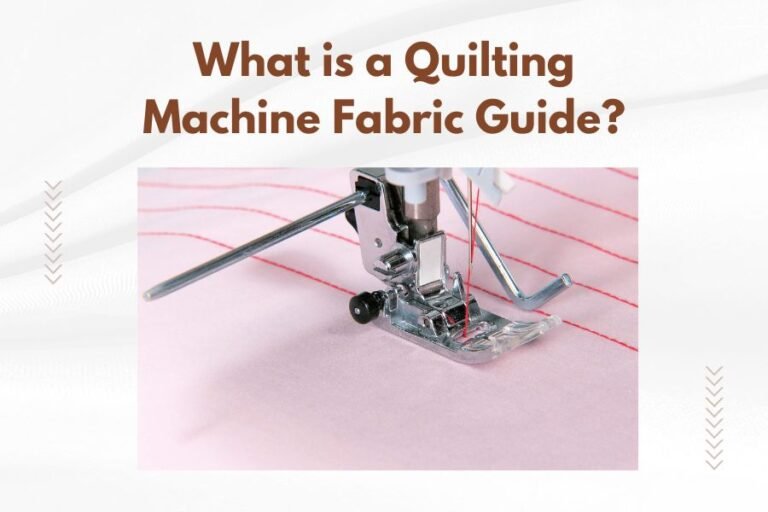
This special foot has a small opening that lets you see where you’re stitching. It also bounces up and down with the needle to avoid catching the fabric.
Machine Settings That Work
Set your stitch length to zero. This tells the machine you’re controlling the speed manually. Choose a straight stitch for most patterns.
Many quilters prefer a slightly longer stitch length setting, around 2.5 to 3. Test on scraps first to find what feels right.
Essential Equipment for Beginners
You don’t need expensive gear to start free motion quilting. I researched what most experts recommend for new quilters.
Free Motion Quilting Foot
This foot makes all the difference. It hops up and down with your needle, preventing fabric from getting stuck or puckering.
Most sewing machines come with one. If yours didn’t, you can buy them for around $15 to $30.
Quilting Gloves
These grippy gloves help you control slippery fabrics. They have rubber dots on the fingers and palms.
Many quilters swear by them. Others prefer working bare-handed. Try both ways and see what feels natural.
Machine Quilting Hoop
Unlike hand quilting, you might skip the hoop entirely. Some quilters use large hoops for better fabric control.
Start without one. Add a hoop later if your fabric keeps bunching up.
Preparing Your First Project
Don’t jump into a full-size quilt right away. Start with something small and manageable.
Practice Sandwich Setup
Make a practice sandwich using three layers. Put your top fabric face up, batting in the middle, and backing fabric face down.
Pin or spray-baste these layers together. Keep the sandwich smaller than 20 inches square for easier handling.
Thread Selection
Cotton thread works great for beginners. Choose a color that blends with your fabric so mistakes won’t show much.
Polyester thread is stronger but can be trickier to control when you’re learning.
Batting Choices
Cotton batting gives you good grip and control. Polyester batting slides more easily, which some beginners find harder to manage.
Start with cotton batting about 1/4 inch thick. This thickness is forgiving and easy to stitch through.
Basic Techniques to Master First
Every expert quilter started with these simple movements. Practice each one until it feels natural.
Stippling Pattern
This looks like puzzle pieces that don’t connect. Move your fabric in curved, random lines that never cross over themselves.
Start in one corner and work your way across. Keep your movements smooth and relaxed.
Loops and Swirls
Practice making connected loops, like writing cursive letters. These patterns add beautiful texture to quilts.
Don’t worry about making perfect circles. Wonky loops often look more interesting than perfect ones.
Straight Line Practice
Even though you can move freely, practicing straight lines helps build muscle memory. Draw lines on paper and trace them with your needle.
This teaches you how fast to move the fabric compared to your stitching speed.
Common Beginner Mistakes and Solutions
I found that most new free motion quilters make the same mistakes. Here’s how to fix them quickly.
Uneven Stitch Length
This happens when you move the fabric too fast or too slow. Your stitches end up looking like Morse code.
Keep your needle speed steady. Move the fabric at a consistent pace to match.
Thread Breaks
Usually caused by tension problems or moving the fabric too quickly. Check your upper thread tension first.
Also make sure you’re not jerking the fabric around. Smooth movements prevent thread stress.
Puckered Fabric
This means your layers aren’t basted well enough, or you’re pulling the fabric while stitching.
Let the machine do the work. Guide the fabric gently without stretching it.
Building Your Skills Gradually
Don’t expect perfect results on day one. Free motion quilting takes practice, like learning to drive a car.
Week One Goals
Focus on getting comfortable with the machine setup. Practice basic stippling on small squares.
Aim for consistent stitch length rather than perfect patterns. Speed comes later.
Month One Progress
By now you should feel more relaxed while stitching. Try simple geometric patterns and gentle curves.
Start connecting different pattern areas smoothly. This skill makes your quilting look professional.
Three Month Milestone
You’ll probably be ready for larger projects. Consider quilting a baby quilt or wall hanging.
Your muscle memory should be developing nicely. Stitching will feel more natural and less stressful.
Pattern Ideas for Beginners
These patterns are forgiving and help build confidence. Start with whichever one appeals to you most.
| Pattern Name | Difficulty | Best For |
|---|---|---|
| Stippling | Easy | Overall texture |
| Pebbles | Easy | Background fill |
| Flames | Medium | Borders |
| Feathers | Hard | Focal areas |
Pebble Quilting
Make small, round shapes that fit together like stones on a beach. These can overlap slightly, which makes mistakes less obvious.
This pattern creates lovely texture and works great for backgrounds.
Echo Quilting
Follow the outline of applique pieces or printed designs, creating layers like ripples in water.
Space your lines about 1/4 inch apart. This technique really makes design elements pop.
Troubleshooting Common Problems
When things go wrong, don’t panic. Most issues have simple fixes that take just a few minutes.
Machine Jamming
Stop stitching immediately if you hear grinding noises. Remove the fabric carefully and clean out any thread tangles.
Re-thread your machine completely. Sometimes the threading gets loose during free motion work.
Skipped Stitches
Usually means your needle is dull or the wrong size. Try a fresh needle one size larger.
Also check that you’re not lifting the fabric too high while stitching. Keep it flat against the machine bed.
Taking Your Skills Further
Once you master the basics, free motion quilting opens up amazing creative possibilities.
Design Planning
Start sketching your ideas on paper before stitching. This helps you think through the logistics.
Consider how you’ll move from one area to another without cutting threads unnecessarily.
Advanced Patterns
Feathers, flowers, and detailed motifs become possible with practice. These take time but create stunning results.
Many quilters find online tutorials helpful for learning complex designs step by step.
Conclusion
Free motion quilting transforms your sewing machine into an artistic tool that lets you create unique textures and designs. While it takes practice to develop smooth, consistent stitching, the basic technique is simple enough for any beginner to learn. Start with small practice pieces, focus on relaxed movements, and remember that imperfect stitching often adds character to handmade quilts. With patience and regular practice, you’ll soon be adding beautiful custom quilting to your projects that no store-bought item can match.
Can I do free motion quilting on any sewing machine?
Most modern sewing machines can handle free motion quilting if they have a way to lower or cover the feed dogs. You’ll also need a free motion foot, which is available for nearly all machine brands.
How long does it take to get good at free motion quilting?
Most quilters feel comfortable with basic patterns after about three months of regular practice. Complex designs like feathers might take six months to a year to master, depending on how often you practice.
What’s the best thread for free motion quilting beginners?
Cotton thread in a color that matches your fabric works best for learning. It’s forgiving, doesn’t stretch much, and blends in if your stitching isn’t perfect yet.
Do I need special batting for free motion quilting?
Cotton batting works well for beginners because it grips the fabric layers and doesn’t shift around much. Avoid very thick or slippery battings until you build up your skills.
Should I use a hoop for free motion quilting?
Many quilters prefer working without a hoop for free motion quilting, as it allows more flexibility in moving the fabric. Try both ways to see which feels more comfortable for your quilting style.