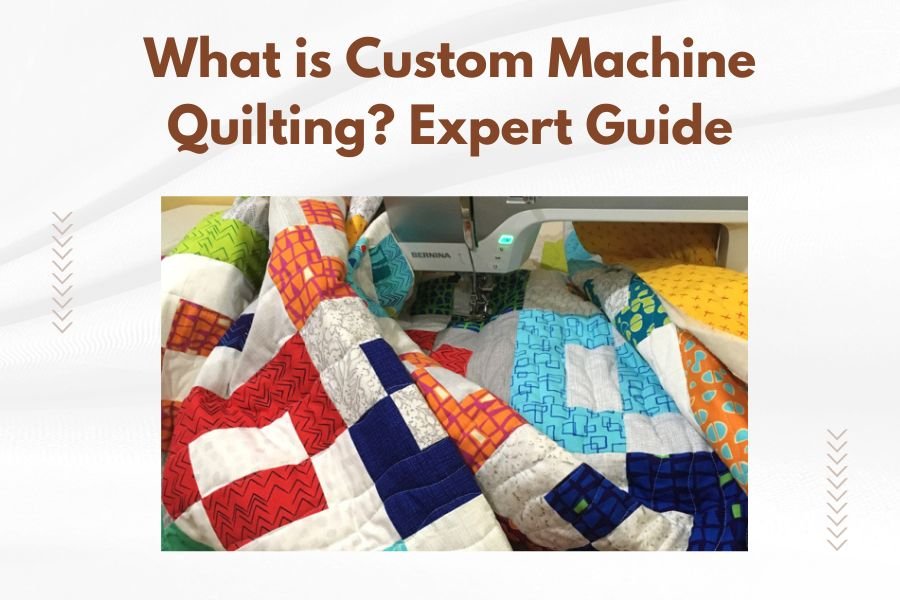
Custom machine quilting is a decorative stitching process where you use a quilting machine to create unique patterns across fabric layers, binding them together with personalized designs instead of standard straight lines.
Unlike traditional hand quilting or basic machine quilting, custom machine quilting lets you control every stitch pattern, creating anything from flowing florals to geometric shapes that match your vision perfectly.
What Makes Custom Machine Quilting Different
You might wonder how custom machine quilting stands apart from regular quilting methods. The key difference lies in your creative control.
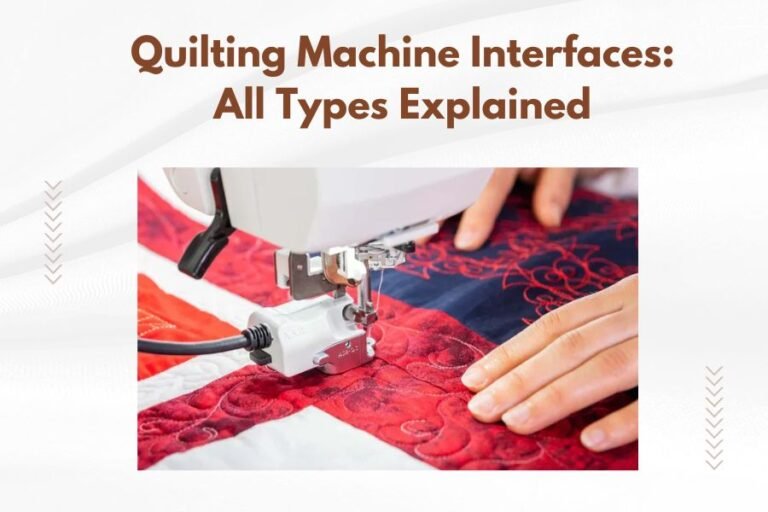
With custom machine quilting, you guide the fabric freely under the needle. You can stitch curves, loops, and detailed patterns that would take hours by hand. The machine does the heavy lifting while you direct the artistic vision.
Free Motion vs. Pantograph Quilting
Free motion quilting gives you complete artistic freedom. You move the fabric in any direction, creating original designs as you go.
Pantograph quilting follows pre-made patterns. You trace over templates to repeat consistent designs across your entire quilt. Both methods fall under custom machine quilting.
Essential Equipment for Custom Machine Quilting
Getting started requires the right tools. You don’t need to break the bank, but certain equipment makes a huge difference in your results.
Quilting Machines
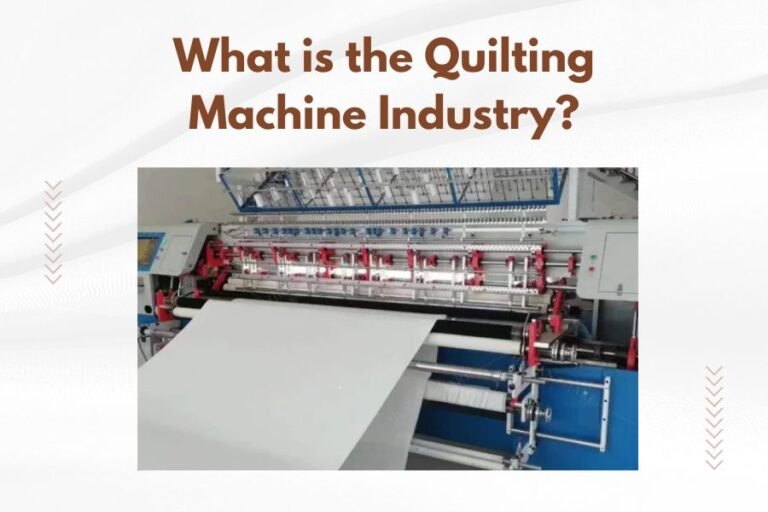
Long-arm quilting machines are the gold standard. These machines offer 12-30 inches of throat space, letting you handle large quilts easily.
Mid-arm machines provide 10-12 inches of space. They cost less than long-arms but still handle most projects well.
Domestic sewing machines work too. You’ll need a walking foot and free motion quilting foot to get good results.
Machine Features That Matter
Look for machines with adjustable stitch regulators. These help maintain consistent stitch length as you move the fabric at different speeds.
Good lighting systems prevent eye strain during long quilting sessions. Many quilters I’ve talked to say proper lighting changed their whole experience.
Additional Tools You’ll Need
Quilting frames or hoops keep your fabric layers smooth and aligned. Without them, you’ll fight puckering and shifting constantly.
Quality quilting thread makes a difference in both appearance and durability. Cotton thread works well for most projects, while polyester offers extra strength.
- Quilting gloves improve grip and reduce hand fatigue
- Rotary cutters and rulers help with precise measurements
- Safety pins or spray basting keeps layers together
- Seam rippers fix mistakes quickly
Popular Custom Quilting Patterns and Designs
The pattern possibilities are endless with custom machine quilting. Some designs work better for beginners, while others challenge experienced quilters.
Beginner-Friendly Patterns
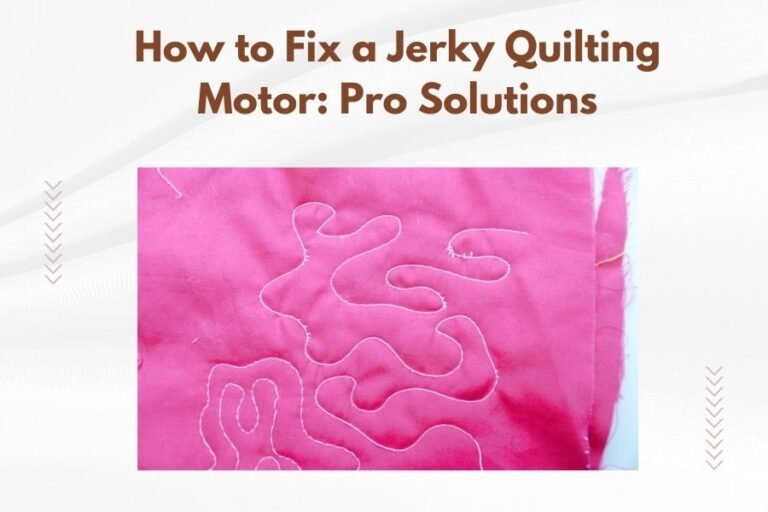
Meandering patterns flow like gentle streams across your quilt. You create curved lines that never cross, filling space with organic movement.
Stippling uses tighter curves and smaller movements. It creates great texture and works well as background fill.
Simple geometric patterns like spirals and loops help you practice consistent movement before trying complex designs.
Intermediate Designs
Feather patterns require more planning but create elegant, flowing designs. You’ll need to practice the basic feather spine before adding the decorative elements.
Echo quilting follows the outline of appliqué or pieced shapes. You stitch parallel lines that ripple outward like water rings.
Advanced Custom Patterns
Detailed floral motifs combine multiple techniques. You might use different thread colors and vary your stitching density for realistic effects.
Custom portraits and landscapes push the boundaries of what quilting can achieve. These take significant practice but create stunning art pieces.
Step-by-Step Custom Machine Quilting Process
Success in custom machine quilting comes from following a systematic approach. Rushing through setup leads to frustration later.
Preparation Steps
Start by pressing your quilt top completely flat. Any wrinkles will show in the final product.
Cut your batting and backing fabric 3-4 inches larger than your quilt top on all sides. This extra material prevents running short during quilting.
Layer your quilt sandwich carefully. Place the backing face-down, add batting, then position the quilt top face-up.
Basting Your Quilt Sandwich
Spray basting works fastest for most quilters. Light, even coats prevent shifting without gumming up your needle.
Pin basting takes longer but gives you more control. Place safety pins every 4-6 inches, avoiding areas where you’ll quilt.
Machine Setup and Threading
Install your quilting foot and lower the feed dogs if doing free motion work. Check your machine manual for specific instructions.
Thread tension often needs adjustment for quilting. Start with slightly looser top tension than normal sewing.
Test Stitching
Always test on a practice sandwich first. Use the same fabrics, batting, and thread as your actual project.
Check both sides of your test piece. The stitching should look balanced without loops or puckering.
Quilting Execution
Start quilting from the center and work outward. This prevents fabric from bunching up in the middle.
Maintain steady hand movement. Jerky motions create uneven stitches that stand out in the finished quilt.
Take breaks every 30-45 minutes. Fatigue leads to tension changes and poor stitch quality.
Common Challenges and Solutions
Every quilter faces obstacles when learning custom machine quilting. Knowing what to expect helps you push through the learning curve.
Thread Tension Issues
Loops on top mean your top tension is too loose or bottom tension too tight. Adjust gradually until stitches look balanced.
Loops underneath indicate the opposite problem. Tighten top tension or loosen the bobbin slightly.
Uneven Stitch Length
Moving your hands too fast creates long stitches. Slow down your movement speed while keeping the machine at consistent speed.
Practice helps develop muscle memory for steady movement. Many quilters find improvement after just a few hours of practice.
Fabric Puckering
Puckering usually comes from inadequate basting or pulling the fabric while quilting. Let the machine pull the fabric through naturally.
Check your batting choice too. Some battings require closer quilting spacing to prevent shifting.
Benefits of Custom Machine Quilting
Why choose custom machine quilting over other methods? The advantages go beyond just speed and efficiency.
Creative Freedom
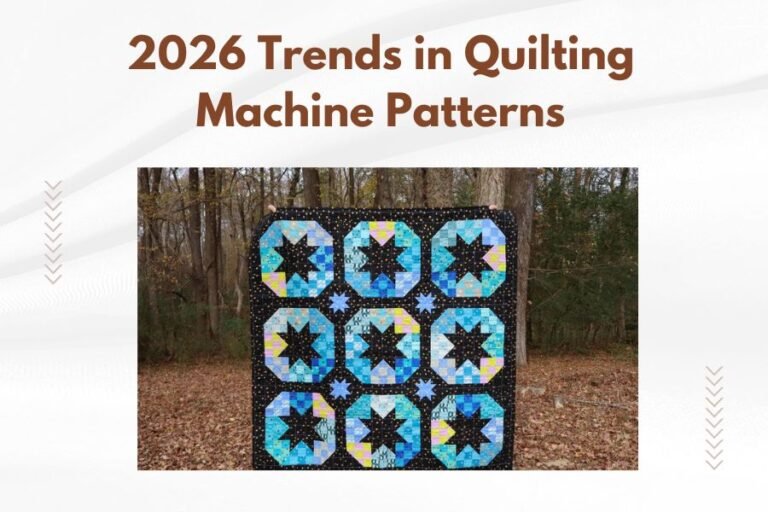
You can match quilting designs perfectly to your quilt’s theme. Floral appliqué quilts get flowing vine patterns. Geometric piecing gets sharp, angular quilting.
Color options expand your creative palette. Variegated threads create depth, while contrasting colors make patterns pop.
Time and Cost Savings
Custom machine quilting finishes projects much faster than hand quilting. What takes weeks by hand might finish in a weekend.
You avoid the cost of professional quilting services. After initial equipment investment, you control both timeline and budget.
Skill Development
Learning custom machine quilting opens doors to quilting professionally. Many quilters start as hobbyists and develop successful businesses.
The skills transfer to other sewing projects too. Free motion techniques work great for decorative stitching on garments and home décor.
Choosing the Right Thread and Fabric
Your material choices dramatically affect both the quilting process and final results. I’ve found that spending a bit more on quality materials saves frustration later.
Thread Selection Guide
Cotton thread blends well with cotton fabrics and creates a traditional look. It’s forgiving for beginners and widely available.
Polyester thread offers superior strength and color-fastness. It works well for quilts that will get heavy use or frequent washing.
Silk thread creates beautiful sheen but costs more. Save it for special projects where the extra elegance justifies the expense.
Thread Weight Considerations
40-weight thread works for most quilting applications. It’s thick enough to show well but not so heavy that it dominates the fabric.
50-weight thread creates more subtle quilting lines. Use it when you want texture without obvious stitching lines.
| Thread Type | Best For | Considerations |
|---|---|---|
| Cotton | Traditional quilts, beginners | May break more than synthetic |
| Polyester | High-use quilts, bright colors | Can look artificial in some settings |
| Silk | Heirloom quilts, special projects | Expensive, requires gentle handling |
Fabric and Batting Choices
High-quality cotton fabric quilts easier and looks better long-term. Cheap fabrics often pucker or fade after washing.
Batting thickness affects your quilting experience. Thin batting shows stitching details better but provides less warmth.
Wool batting offers excellent loft and temperature regulation. Cotton batting creates flatter, more traditional results.
Maintaining Your Custom Quilting Equipment
Proper maintenance keeps your quilting machine running smoothly for years. A little regular care prevents expensive repairs down the road.
Daily Maintenance Tasks
Clean lint from your machine after each quilting session. Batting creates more debris than regular sewing fabrics.
Check thread paths for buildup. Even small pieces of thread can cause tension problems if they accumulate.
Weekly Deep Cleaning
Remove the throat plate and clean underneath thoroughly. Use your machine’s brush or compressed air to reach tight spots.
Oil your machine according to the manufacturer’s schedule. Over-oiling causes problems just like under-oiling does.
When to Call for Professional Service
Unusual noises during operation signal potential problems. Don’t ignore grinding, squealing, or clicking sounds.
Timing issues cause poor stitch formation. If adjusting tension doesn’t fix stitch problems, professional help may be needed.
Conclusion
Custom machine quilting transforms ordinary fabric into personalized art pieces that reflect your unique style and vision. The learning curve might seem steep at first, but the creative possibilities make every practice session worthwhile.
Start with simple patterns and basic equipment, then expand your skills and tools as your confidence grows. Remember that even experienced quilters continue learning new techniques throughout their quilting journey.
Whether you’re finishing family heirlooms or creating modern art quilts, custom machine quilting gives you the tools to bring any design concept to life. Your quilts will stand out from mass-produced alternatives while carrying the personal touch that only comes from custom work.
How long does it take to learn custom machine quilting?
Most beginners can create simple custom patterns within 2-3 practice sessions, but developing advanced skills typically takes 6-12 months of regular practice. Your progress depends on how often you practice and the complexity of patterns you attempt.
Can I do custom machine quilting on a regular sewing machine?
Yes, you can do custom machine quilting on most home sewing machines with the right attachments. You’ll need a walking foot for straight-line quilting and a darning foot for free motion work, plus the ability to lower or cover your feed dogs.
What’s the biggest mistake beginners make in custom machine quilting?
Rushing the basting process is the most common beginner mistake. Inadequate basting leads to puckering, shifting layers, and uneven results that can ruin an otherwise beautiful quilt. Take time to properly secure your quilt sandwich.
How much should I expect to spend on custom machine quilting equipment?
Basic custom quilting on a home machine requires $50-100 in accessories, while a dedicated mid-arm quilting machine costs $3,000-8,000. Long-arm machines range from $10,000-30,000, but many quilters start small and upgrade as their skills develop.
Is custom machine quilting suitable for quilts that will be washed frequently?
Custom machine quilting actually holds up better to washing than hand quilting when you use quality thread and proper techniques. Polyester thread and closer quilting spacing provide extra durability for quilts that need frequent laundering.