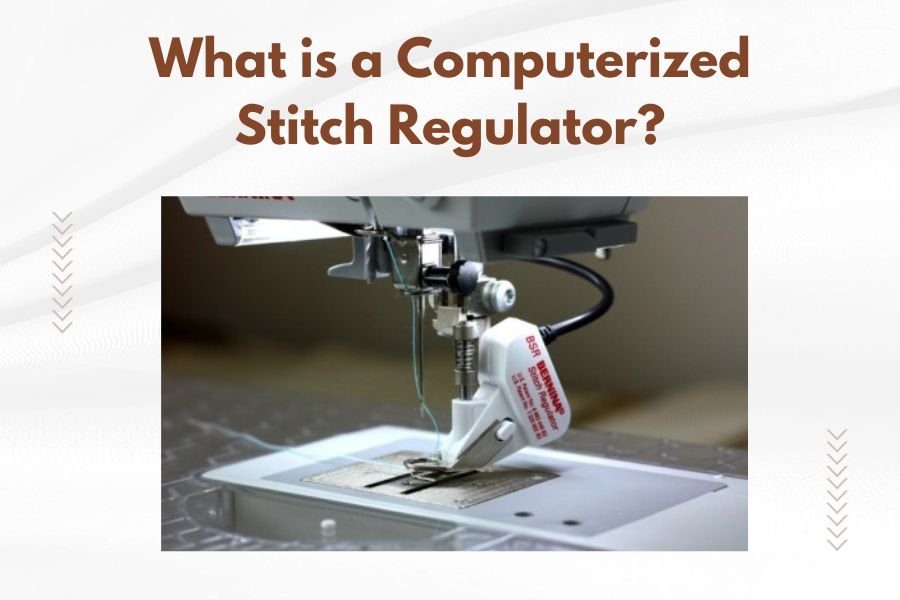
A computerized stitch regulator is an electronic device that automatically controls your sewing machine’s needle speed based on how fast you move the fabric, ensuring consistent stitch length.
This technology maintains uniform stitches whether you’re quilting quickly or slowly, eliminating the uneven results that happen when your hand speed doesn’t match your machine’s needle speed.
How Does a Computerized Stitch Regulator Work?
Think of a computerized stitch regulator as your quilting assistant. It watches how fast you move your quilt sandwich and adjusts the needle speed to match.
The system uses sensors or encoders to track your fabric movement. When you push the fabric quickly, the machine speeds up. When you slow down to navigate a tricky corner, the machine automatically slows down too.
This coordination creates consistent stitch length across your entire project. No more tiny stitches in one area and long stitches in another.
The Technology Behind Stitch Regulation
Most computerized stitch regulators use one of two tracking methods. Optical sensors read fabric movement through light patterns. Mechanical encoders use physical contact to measure movement.
The computer processes this movement data instantly. It calculates the exact needle speed needed to maintain your chosen stitch length setting.
Real-Time Speed Adjustment
The magic happens in milliseconds. As you guide your fabric, the regulator constantly adjusts needle speed without you doing anything.
You set your desired stitch length once. The machine handles everything else, letting you focus on your quilting design instead of speed control.
Types of Computerized Stitch Regulators
Not all stitch regulators work the same way. Understanding the different types helps you choose what works best for your quilting style.
Built-In vs. Add-On Systems
Some sewing machines come with built-in stitch regulation. These systems integrate seamlessly with the machine’s existing controls and display.
Add-on regulators attach to compatible machines. They often come with their own control panels and require specific installation procedures.
Encoder-Based Systems
Encoder wheels roll along your quilt top as you sew. They measure exact fabric movement through wheel rotation.
These systems work reliably on most fabric types. They need good contact with the fabric surface to track movement accurately.
Optical Tracking Systems
Optical regulators use camera-like sensors to “see” fabric movement. They track visual patterns without touching the fabric.
These work well on smooth fabrics but can struggle with very dark or highly textured materials.
Key Benefits of Using a Stitch Regulator
Why do quilters love stitch regulators? The benefits go way beyond just even stitches.
Consistent Stitch Quality
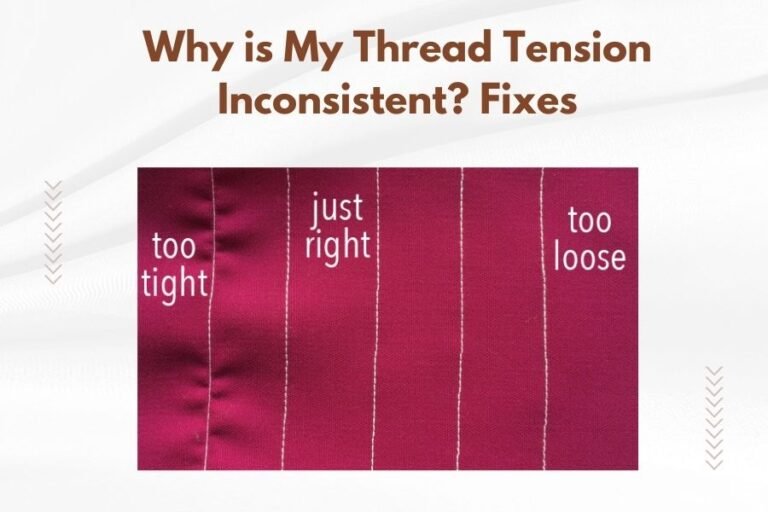
Your stitches look professional from start to finish. No more sections with tiny stitches next to areas with long, loose stitches.
This consistency improves your quilting appearance and helps maintain proper thread tension throughout your project.
Reduced Hand Fatigue
You don’t need to coordinate foot pedal pressure with hand movement anymore. Your hands focus purely on guiding the fabric where you want it to go.
This coordination break reduces strain during long quilting sessions. Many quilters report they can work longer without getting tired.
Better Focus on Design
When the machine handles stitch consistency, your brain can focus on the creative parts. You think about curves, patterns, and artistic choices instead of mechanical timing.
This mental freedom often leads to more adventurous quilting designs and improved artistic results.
Faster Learning Curve
New free-motion quilters struggle with speed coordination. A stitch regulator removes this challenge, letting beginners see good results faster.
You can practice design skills without fighting the machine. Confidence builds quickly when your stitches look good from day one.
When to Use a Computerized Stitch Regulator
Stitch regulators shine in specific quilting situations. Knowing when to use yours maximizes the benefits.
Free-Motion Quilting
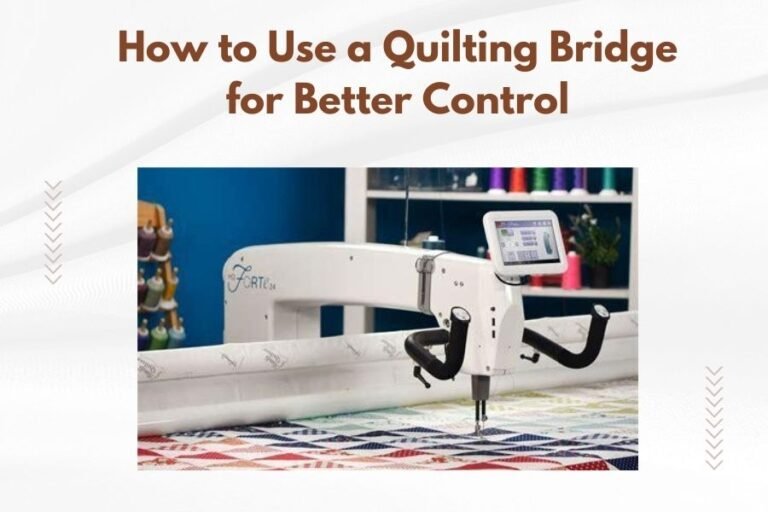
Free-motion work benefits most from stitch regulation. You’re moving the fabric in all directions while maintaining stitch quality.
Complex designs become much easier when you don’t worry about speed matching. Your hands guide while the machine maintains consistency.
Large Quilt Projects
Big quilts require lots of fabric manipulation. Consistent speed becomes harder to maintain as you manage heavy quilt layers.
The regulator compensates for the extra effort needed to move large projects. Stitch quality stays consistent even when you’re working harder physically.
Detailed Pattern Work
Intricate patterns need consistent stitching to look their best. Feathers, cables, and geometric designs show stitch irregularities clearly.
Even small variations in stitch length can make detailed work look sloppy. The regulator eliminates these variations automatically.
Choosing the Right Stitch Regulator
Several factors determine which stitch regulator works best for your needs and setup.
Machine Compatibility
Check your sewing machine’s compatibility before buying. Not all regulators work with every machine model.
Some machines need specific adapter plates or special feet. Others might require firmware updates to work with certain regulators.
Tracking Method Preferences
Consider which tracking method suits your quilting style. Do you work with varied fabric textures? Encoders might work better than optical systems.
Think about your typical fabric choices. Dark fabrics, metallics, or heavily textured materials can challenge optical tracking systems.
Budget Considerations
Stitch regulators range from a few hundred to over a thousand dollars. Built-in systems often cost more but integrate better.
Add-on systems offer flexibility if you might upgrade machines later. They can often transfer to compatible new machines.
Common Challenges and Solutions
Every technology has learning curves. Understanding common issues helps you use your regulator more effectively.
Calibration Requirements
Most regulators need periodic calibration to maintain accuracy. This process teaches the system about your specific machine and setup.
Follow calibration instructions carefully. Poor calibration leads to inconsistent results and frustration with the system.
Fabric Compatibility Issues
Some fabrics challenge tracking systems. Very stretchy knits can confuse encoders. Shiny or dark fabrics might fool optical sensors.
Test your regulator with different fabric types before starting important projects. Learn which materials work best with your system.
Maintenance Needs
Encoder wheels collect lint and thread debris. Clean them regularly to maintain accurate tracking.
Optical sensors need clean lenses to work properly. Dust or lint on the sensor affects tracking accuracy.
Getting Started with Your Stitch Regulator
Starting with a new stitch regulator takes some adjustment. These steps help you get comfortable quickly.
Practice on Scraps First
Don’t jump straight into important projects. Practice on fabric scraps to learn how your system responds.
Try different movement speeds and directions. Get comfortable with how the machine adjusts to your movements.
Start with Simple Designs
Begin with basic stippling or gentle curves. Complex patterns can wait until you understand your regulator’s behavior.
Simple designs let you focus on the feel of regulated stitching without design complexity adding confusion.
Adjust Settings Gradually
Most regulators let you adjust stitch length and sensitivity settings. Make small changes and test the results.
Find settings that feel comfortable with your natural movement speed. Every quilter has different preferences and hand speeds.
| Feature | Built-In Regulators | Add-On Regulators |
|---|---|---|
| Installation | No installation needed | Requires mounting and setup |
| Machine Integration | Seamless with existing controls | Separate control panel |
| Portability | Fixed to machine | Can transfer to compatible machines |
| Cost | Higher upfront machine cost | Separate purchase price |
| Upgrade Flexibility | Limited to machine capabilities | Can upgrade regulator independently |
Maintenance and Care Tips
Proper care keeps your stitch regulator working accurately for years. Regular maintenance prevents most common problems.
Daily Cleaning Routine
Brush away lint and threads from encoder wheels after each quilting session. Use a small brush or compressed air to clean sensors.
Check connection cables for wear or damage. Loose connections cause erratic regulator behavior.
Weekly Deep Cleaning
Remove encoder wheels if possible and clean them thoroughly. Check mounting brackets for tightness and stability.
Clean optical sensors with appropriate lens cleaning materials. Avoid harsh chemicals that might damage sensitive components.
Storage Considerations
Store add-on regulators in protective cases when not in use. Protect sensors and cables from dust and damage.
Keep instruction manuals and calibration procedures easily accessible. You’ll reference them more often than you think.
Conclusion
A computerized stitch regulator transforms your quilting experience by maintaining consistent stitch length regardless of your movement speed. This technology removes the coordination challenge between hand movement and foot pedal control, letting you focus on creating beautiful designs instead of managing machine timing.
Whether you choose a built-in system or an add-on regulator, this tool can improve your quilting quality and reduce fatigue during long sessions. Start with simple practice projects to learn your system’s behavior, then gradually tackle more complex designs as your confidence grows. With proper maintenance and realistic expectations, a stitch regulator becomes an invaluable partner in your quilting journey.
Can I add a stitch regulator to any sewing machine?
Not all sewing machines are compatible with add-on stitch regulators. You need a machine with specific mounting points and electrical connections. Check with the regulator manufacturer for compatibility lists before purchasing.
Do stitch regulators work with all thread types?
Stitch regulators work with most standard quilting threads including cotton, polyester, and rayon. Very thick threads or specialty threads might require adjustments to tension and stitch length settings for optimal results.
How much does a quality computerized stitch regulator cost?
Add-on computerized stitch regulators typically range from $400 to $1,200 depending on features and tracking technology. Machines with built-in regulators cost $2,000 to $8,000 or more, but include the complete sewing machine system.
Can beginners successfully use stitch regulators?
Yes, stitch regulators actually help beginners learn free-motion quilting faster by eliminating speed coordination challenges. New quilters can focus on design and fabric movement while the regulator handles stitch consistency automatically.
What happens if my stitch regulator stops working during a project?
Most machines with stitch regulators can operate normally without the regulation feature if needed. You can typically finish your project using manual speed control through the foot pedal, though stitch consistency will depend on your coordination skills.