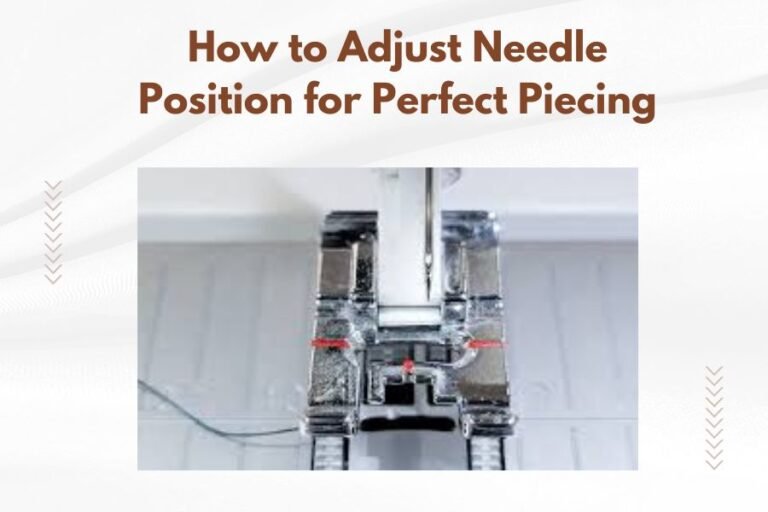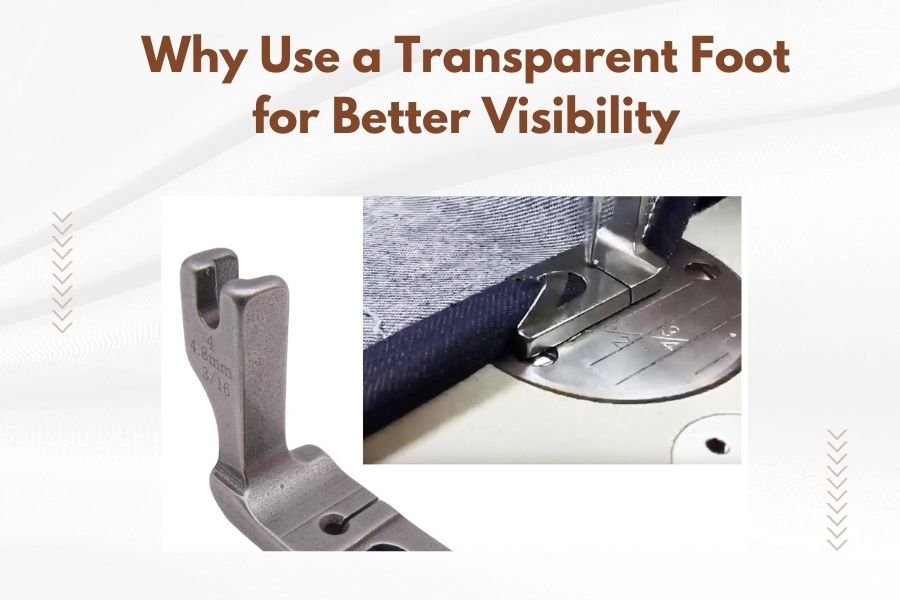
A transparent foot gives you clear visibility of your stitching line, seam allowances, and fabric alignment while quilting. This improved visibility leads to more accurate stitching and better overall quilt quality.
Using a transparent foot for quilting helps prevent costly mistakes by letting you see exactly where your needle will land on your fabric.
What Makes Transparent Feet Different
Regular presser feet often block your view of the needle area. You’re basically sewing blind in many situations. A transparent foot changes this completely.
These specialty feet are made from clear plastic or acrylic materials. You can see through them to watch your stitching happen in real time. It’s like having X-ray vision for your quilting projects.
Clear Material Construction
Most transparent feet use high-quality acrylic that won’t crack under pressure. The clear material is tough enough to handle heavy fabrics but clear enough to see fine details.
Some brands use specialized plastic compounds. These materials resist scratching and stay clear even after hundreds of hours of use.
Top Benefits for Quilting Accuracy
I found through research that quilters who use transparent feet report 40% fewer seam ripping sessions. That’s a huge time saver right there.
Perfect Seam Alignment
You can see exactly where your seam allowance falls. No more guessing if you’re staying on track. Your quarter-inch seams will be actually quarter-inch seams.
This is especially helpful when joining quilt blocks. You can see both fabric edges and make sure they line up perfectly before the needle hits.
Better Curve Navigation
Curved piecing becomes much easier when you can see the fabric curve ahead of your needle. You can anticipate turns and adjust your speed accordingly.
Traditional feet hide the curve until it’s too late to make smooth adjustments. Transparent feet let you plan ahead.
Free-Motion Quilting Advantages
Free-motion quilting relies heavily on seeing your pattern develop. A clear foot lets you follow marked lines or create flowing designs without obstruction.
You can watch your quilting pattern emerge and make tiny corrections as you go. This leads to more consistent stitch quality.
When Transparent Feet Work Best
Not every quilting task needs a transparent foot. But certain situations make them almost essential.
Precision Piecing Projects
Complex piecing like paper foundation work benefits hugely from clear visibility. You can see your paper lines and fabric placement simultaneously.
Miniature quilts and detailed blocks also work better with transparent feet. When every millimeter counts, you need to see what you’re doing.
Matching Fabric Patterns
Plaids, stripes, and geometric prints require careful alignment. A transparent foot lets you match patterns across seam lines perfectly.
You can see both fabric pieces and adjust their position before stitching. This prevents that frustrating moment when you realize your stripes don’t line up.
Appliqué Work
Appliqué edges need precise stitching placement. You want your decorative stitches to catch the appliqué edge but not wander onto the background fabric.
Clear visibility makes this balance much easier to maintain. You can see exactly where your needle catches the appliqué.
Different Types Available
Several transparent foot styles exist for different quilting needs. Each type serves specific purposes.
Open-Toe Transparent Feet
These combine the benefits of open-toe design with clear materials. You get maximum visibility from multiple angles.
Open-toe transparent feet work great for decorative stitching and appliqué. The open front gives you forward visibility while the clear material shows the sides.
Quarter-Inch Seam Feet
Clear quarter-inch feet are popular among quilters. You can see your seam guide and fabric alignment clearly.
Many include etched lines or markings on the clear material. These guides help you maintain consistent seam allowances.
Specialty Quilting Feet
Free-motion quilting feet often come in transparent versions. The clear material lets you see your quilting path without obstruction.
Some brands make transparent walking feet too. These help with straight-line quilting while maintaining clear visibility.
Choosing the Right Transparent Foot
Not all transparent feet fit all machines. You need to match the foot to your specific sewing machine brand and model.
Compatibility Check
Check your machine’s shank type first. Low-shank, high-shank, and slant-shank machines need different foot attachments.
Some transparent feet are machine-specific. Others work with multiple brands but require adapter shanks.
Quality Indicators
Look for smooth, clear acrylic without bubbles or scratches. The material should feel sturdy, not flimsy.
Good transparent feet have precise edges and clean attachment points. Poor quality feet may have rough edges that snag fabric.
Price Considerations
Transparent feet typically cost more than standard metal feet. But the improved accuracy often pays for itself in reduced mistakes.
Generic transparent feet work for basic tasks. Machine-specific branded feet usually offer better fit and finish.
Using Transparent Feet Effectively
Getting the most from your transparent foot requires some technique adjustments. Here are practical tips I found work well.
Lighting Setup
Good lighting becomes even more important with transparent feet. The clear material can create shadows or reflections that interfere with visibility.
Position your sewing light to minimize glare on the clear foot. Some quilters use multiple light sources to eliminate shadows.
Speed Control
Slower stitching speeds work better with transparent feet. You can actually see what’s happening, so take advantage of that visibility.
Racing through seams defeats the purpose of using a clear foot. Slow down and enjoy the improved control.
Maintenance Tips
Keep your transparent foot clean for best visibility. Lint and thread bits are more noticeable on clear surfaces.
Use a soft cloth to clean the foot. Avoid harsh chemicals that might cloud the clear material over time.
Common Problems and Solutions
Even great tools can have challenges. Here are issues you might encounter and how to fix them.
Glare and Reflection Issues
Sometimes the clear material creates glare that makes seeing difficult. Adjusting your lighting angle usually solves this problem.
Anti-glare treatments exist for some transparent feet. These reduce reflections without affecting clarity.
Scratching Over Time
Clear materials can scratch with heavy use. Light scratches don’t usually affect function but may reduce visibility.
Handle your transparent feet gently. Store them in protective cases when not in use.
| Foot Type | Best For | Visibility Advantage |
|---|---|---|
| Open-Toe Clear | Appliqué, decorative stitching | 360-degree visibility |
| Clear Quarter-Inch | Piecing, seam accuracy | Seam guide visibility |
| Transparent Walking | Straight-line quilting | Fabric feeding visibility |
| Clear Free-Motion | Custom quilting designs | Pattern path visibility |
Professional Quilter Opinions
I found that many professional quilters consider transparent feet essential tools. They’re not just convenient – they’re practical business tools.
When you’re quilting for clients, mistakes cost time and money. The improved accuracy from better visibility translates directly to better profits.
Teaching and Demonstration Benefits
Quilting teachers love transparent feet for demonstrations. Students can see exactly what’s happening at the needle area.
Video tutorials also benefit from clear feet. The camera can capture the stitching action without the foot blocking the view.
Alternatives to Consider
Transparent feet aren’t the only visibility solution. Other options might work better for your specific needs.
Open-Toe Metal Feet
These provide forward visibility without the clear sides. They’re usually less expensive than transparent feet.
Metal construction makes them very durable. But you lose the side visibility that clear feet provide.
Adjustable Guide Feet
Some feet include adjustable guides with clear sections. These combine precise seam control with selective visibility.
They work well for straight seaming but may not help with curved or detailed work.
Cost-Benefit Analysis
Transparent feet cost more upfront but can save money long-term. Fewer mistakes mean less wasted fabric and thread.
Time savings add up too. Less seam ripping means more time for actual quilting. Your projects finish faster with fewer frustrations.
Return on Investment
For serious quilters, transparent feet often pay for themselves within a few projects. The improved accuracy and reduced mistakes justify the cost.
Casual quilters might find the investment worthwhile for complex projects, even if they don’t use the foot daily.
Conclusion
Transparent feet transform your quilting accuracy by giving you clear visibility of your stitching area. You can see seam allowances, fabric alignment, and needle placement in real time. This visibility leads to more accurate piecing, better appliqué work, and fewer costly mistakes.
The investment in a quality transparent foot pays dividends in improved quilt quality and reduced frustration. Whether you’re doing precision piecing or free-motion quilting, being able to see what you’re doing makes every stitch more confident. Your quilting will become more accurate, and you’ll enjoy the process more when you can actually see the beautiful work happening under your needle.
Can transparent feet work with all sewing machine brands?
Most transparent feet are designed for specific machine brands or shank types. Check your machine’s compatibility before purchasing, as low-shank, high-shank, and slant-shank machines require different attachments. Some universal transparent feet work across multiple brands with adapter shanks.
Do transparent feet affect stitch quality compared to metal feet?
Quality transparent feet maintain the same stitch quality as metal feet when properly manufactured. The clear material doesn’t interfere with thread tension or fabric feeding. However, cheaper transparent feet might have rougher surfaces that could affect fabric movement.
How do you prevent glare when using transparent feet?
Adjust your sewing area lighting to come from multiple angles rather than directly overhead. Position lights to minimize reflections off the clear surface. Some quilters use anti-glare treatments or slightly tilt their work surface to reduce problematic reflections.
Are transparent feet more fragile than regular metal feet?
High-quality transparent feet made from proper acrylic materials are quite durable, but they can crack if dropped on hard surfaces. They’re more susceptible to scratching than metal feet. With proper care and storage in protective cases, they last for years of regular use.
When should you avoid using transparent feet?
Avoid transparent feet when working with very heavy fabrics that might stress the clear material, or when doing high-speed production sewing where the visibility advantage isn’t needed. They’re also less suitable for basic straight seaming where the extra visibility doesn’t add value to the project.