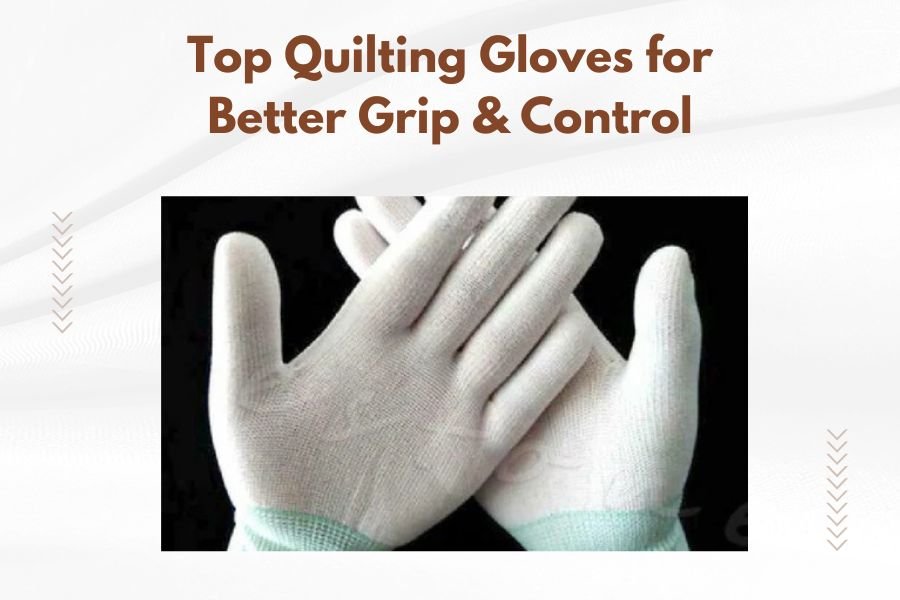
Quilting gloves with textured palms and fingertips give you better grip control when moving fabric layers under your sewing machine.
The best quilting gloves feature breathable materials, non-slip surfaces, and snug fits that won’t interfere with your stitching precision.
Ever tried to guide a heavy quilt through your machine and felt like you were wrestling with a stubborn pet? You’re not alone. Many quilters struggle with fabric control, especially when working on large projects.
Good quilting gloves transform this challenge. They give you the grip you need while keeping your hands comfortable during long sewing sessions.
Why You Need Quilting Gloves
Your hands do all the work when free-motion quilting. Without proper grip, fabric can slip, bunch, or move in ways you don’t want.
Regular fabric gets slippery under machine pressure. Cotton batting creates friction against your palms. Your hands can get sweaty and lose control.
Quilting gloves solve these problems. They give you better traction on fabric surfaces. You can guide your quilt smoothly and make precise movements.
Protection Benefits
Gloves also protect your hands from needle pricks and fabric burns. When you’re working close to the needle, accidents happen.
Some quilters develop calluses from constant fabric friction. Others get dry, cracked skin from handling cotton all day.
Quality gloves prevent these issues while keeping your hands comfortable.
Types of Quilting Gloves
Not all quilting gloves work the same way. Different styles suit different quilting methods and personal preferences.
Full-Finger Gloves
These cover your entire hand and all fingers. They offer maximum protection and grip coverage.
Full-finger gloves work well for machine quilting and hand quilting. They keep your fingertips safe from needle accidents.
The downside? Some quilters find them bulky for detailed work. Thread cutting can be tricky with covered fingertips.
Fingerless Gloves
These leave your fingertips exposed while covering your palms and most of your fingers.
You get good grip control plus finger dexterity. Perfect for tasks that need precise finger movements.
Most quilters prefer fingerless styles for free-motion quilting. You can feel the fabric better and maintain fine motor control.
Grip-Only Gloves
These lightweight options focus purely on grip enhancement. They’re often made from thin materials with textured surfaces.
Great for quilters who want minimal bulk. Your hands stay cool and flexible.
Top Features to Look For
The right quilting gloves should feel like a natural extension of your hands. Here’s what makes the difference.
Grip Surface
Look for textured palms and fingertips. Rubber dots, silicone patterns, or specialized coatings work well.
The texture should grip fabric without being too aggressive. You want control, not fabric damage.
Silicone Dots
Small silicone dots on palms and fingers provide excellent fabric grip. They’re gentle on delicate fabrics but firm enough for control.
Rubber Coating
Thin rubber coatings offer good grip and durability. They wash well and last through many quilting sessions.
Material and Breathability
Your hands need to breathe during long quilting sessions. Synthetic materials often work better than natural fibers.
Nylon and polyester blends resist moisture and dry quickly. They also maintain their shape after washing.
Avoid heavy materials that trap heat. Your hands will get uncomfortable and sweaty.
Fit and Comfort
Gloves should fit snugly without being tight. Loose gloves bunch up and reduce control.
Check the sizing chart carefully. Glove sizes vary between manufacturers.
Seams should be flat and comfortable. Bulky seams can create pressure points during extended use.
Best Quilting Gloves by Category
Different quilting styles need different glove features. Here’s what works best for common quilting methods.
Free-Motion Quilting
Free-motion work demands precise fabric control. You’re moving fabric in all directions while maintaining smooth stitching.
Fingerless gloves with silicone dots work perfectly here. They give you grip without blocking finger sensitivity.
Look for lightweight materials that won’t fatigue your hands. Extended free-motion sessions can be demanding.
Recommended Features
- Fingerless design for dexterity
- Silicone or rubber grip dots
- Breathable synthetic materials
- Snug but comfortable fit
Hand Quilting
Hand quilting involves different hand positions and movements. You need protection plus tactile feedback.
Thin, full-finger gloves often work well. They protect from needle pricks while maintaining fabric feel.
Special Considerations
Hand quilters often prefer different gloves for each hand. The top hand needs grip, while the bottom hand guides fabric.
Some quilters use a thimble with their gloves. Make sure your gloves accommodate your preferred thimble style.
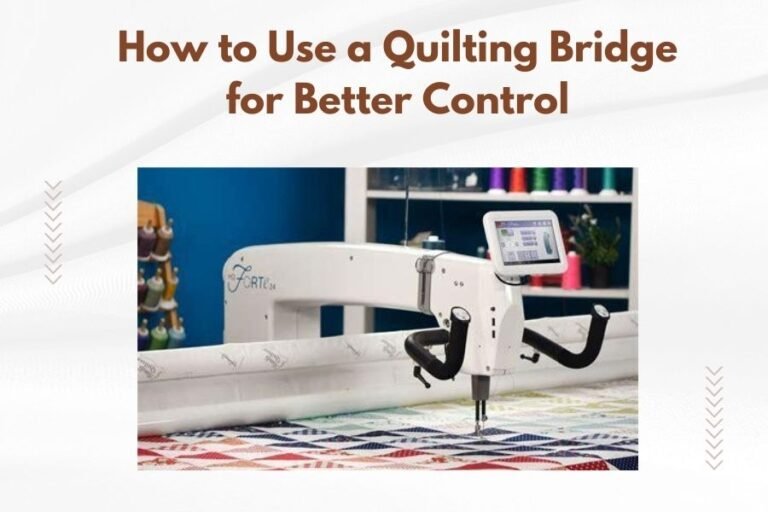
Long-Arm Quilting
Long-arm machines require different hand movements. You’re guiding the machine head rather than the fabric.
Full-finger gloves with good grip work well here. You need consistent traction on the machine handles.
Care and Maintenance
Proper care keeps your quilting gloves working well and lasting longer.
Washing Guidelines
Most quilting gloves are machine washable. Use cool water and gentle cycles to prevent shrinkage.
Avoid fabric softener. It can reduce grip surface effectiveness.
Air dry when possible. High heat can damage grip coatings and shrink materials.
Storage Tips
Store gloves flat or loosely folded. Tight folding can crack grip surfaces over time.
Keep them in a clean, dry place. Moisture can promote bacteria growth and odors.
Rotation Strategy
Many quilters keep two pairs of gloves. While one pair dries after washing, you can use the backup pair.
This rotation extends glove life and ensures you always have clean gloves ready.
Common Problems and Solutions
Even good quilting gloves can present challenges. Here’s how to address common issues.
Gloves Too Slippery
New gloves sometimes feel slippery until they break in. Wash them once before first use to remove manufacturing residue.
If slipperiness continues, the grip surface might not match your fabric types. Try a different texture style.
Hand Fatigue
Gloves that are too tight can restrict blood flow and cause fatigue. Check your sizing again.
Thick gloves can also tire your hands faster. Try thinner materials for extended quilting sessions.
Break-In Period
Most gloves need a few uses to feel natural. Give new gloves time to conform to your hand shape.
Start with shorter quilting sessions when breaking in new gloves.
Durability Issues
Grip surfaces can wear out over time. This is normal with regular use.
When grip becomes noticeably reduced, it’s time for new gloves. Don’t struggle with worn-out equipment.
| Problem | Likely Cause | Solution |
|---|---|---|
| Poor grip | New gloves or wrong texture | Wash first, try different style |
| Hand fatigue | Too tight or too thick | Check sizing, try thinner material |
| Bunching fabric | Gloves too loose | Get smaller size or different brand |
| Reduced dexterity | Full-finger style too bulky | Switch to fingerless design |
Budget Considerations
Quilting gloves range from budget-friendly to premium options. You don’t always need the most expensive pair.
Entry-Level Options
Basic quilting gloves start around $10-15. These work fine for occasional quilting or trying out glove use.
Entry-level gloves might not last as long, but they help you learn what features you prefer.
Mid-Range Choices
Gloves in the $20-30 range often offer the best value. You get good materials, comfort, and durability.
This price range includes most quilter favorites. The quality jump from budget options is usually significant.
Premium Gloves
High-end quilting gloves can cost $40 or more. They typically offer superior materials, fit, and longevity.
Premium gloves make sense for professional quilters or serious hobbyists who quilt daily.
Cost Per Use
Consider how often you quilt when choosing gloves. A quilter who works daily might find premium gloves cost-effective.
Occasional quilters can usually stick with mid-range options and get excellent value.
Sizing Guide
Proper glove fit makes all the difference in comfort and performance.
Measuring Your Hands
Measure around your palm at the widest point, excluding your thumb. This gives you your glove size.
Check manufacturer sizing charts. Sizes can vary between brands.
Fit Testing
Proper-fitting gloves should feel snug but not restrictive. You should be able to make a fist comfortably.
There shouldn’t be loose material at fingertips or palm areas. Excess fabric reduces control.
Size Adjustments
If you’re between sizes, consider your quilting style. Free-motion quilters often prefer slightly tighter fits.
Hand quilters might want a bit more room for comfort during extended sessions.
Conclusion
The right quilting gloves transform your sewing experience. They give you better fabric control, protect your hands, and reduce fatigue during long quilting sessions.
Start with fingerless gloves if you’re new to using them. They offer the best balance of grip and dexterity for most quilting styles.
Remember that good gloves are an investment in your quilting enjoyment. They help you create better quilts with less hand strain and more precision control.
Try different styles until you find what works for your hands and quilting methods. Once you find the right gloves, you’ll wonder how you quilted without them.
What’s the difference between quilting gloves and regular work gloves?
Quilting gloves are designed specifically for fabric handling with lighter grip surfaces that won’t damage delicate materials. Work gloves typically have heavier textures and thicker materials that can snag or mark fabric. Quilting gloves also offer better finger dexterity for precise sewing tasks.
Can I use quilting gloves for other sewing projects?
Yes, quilting gloves work well for many sewing tasks including garment construction, embroidery, and fabric cutting. They’re particularly helpful when working with slippery fabrics like satin or when doing detailed hand work. The improved grip and hand protection benefit most sewing activities.
How often should I replace my quilting gloves?
Replace quilting gloves when the grip surface becomes noticeably less effective or when holes develop. With regular use, quality gloves typically last 6-12 months. Heavy daily use may require replacement more frequently, while occasional quilters might get years of use from one pair.
Do quilting gloves work for people with arthritis or hand pain?
Many quilters with arthritis find gloves helpful because they reduce the grip pressure needed to control fabric. The improved traction means less hand strain. However, consult with your doctor about whether gloves are appropriate for your specific condition, as some types of hand pain might be worsened by glove use.
Should I wear the same gloves on both hands when quilting?
Not necessarily. Many quilters use different gloves on each hand based on function. For free-motion quilting, you might use grip gloves on your fabric-guiding hands but no gloves on the hand operating controls. Experiment to find what combination gives you the best control and comfort for your quilting style.