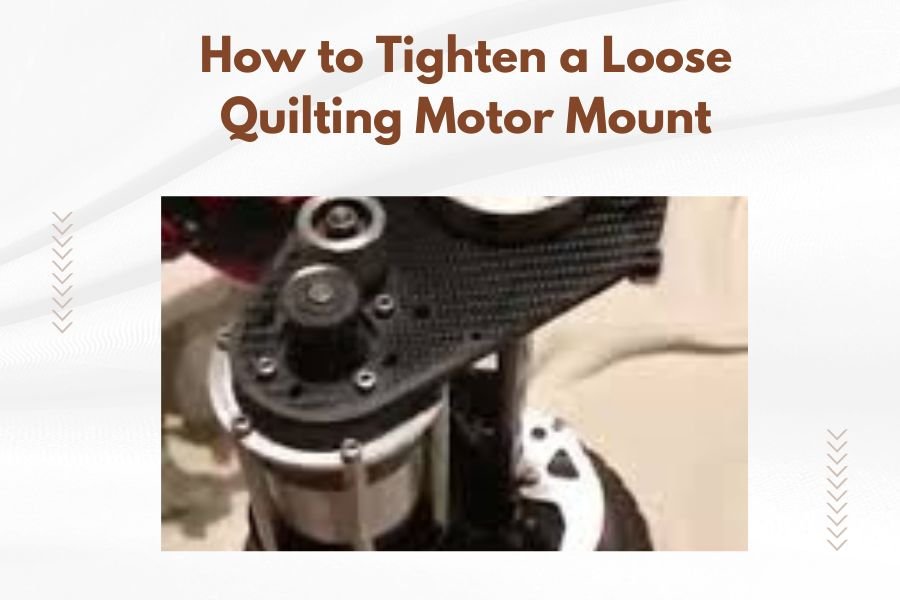
To tighten a loose quilting motor mount, turn off your machine, locate the mounting bolts underneath the motor housing, and use the appropriate wrench to tighten them clockwise.
A properly secured quilting motor mount prevents vibration, reduces noise, and keeps your stitching consistent during long quilting sessions.
You know that sinking feeling when your quilting machine starts wobbling mid-project? I’ve been there too. A loose motor mount can turn your peaceful quilting time into a frustrating battle with uneven stitches and annoying rattles.
The good news? Fixing a loose quilting motor mount is easier than you think. You don’t need to be a repair expert or call a technician. With basic tools and about 15 minutes, you can get your machine running smoothly again.
Why Quilting Motor Mounts Come Loose
Motor mounts don’t just loosen overnight. Several factors cause this common problem over time.
Constant vibration is the main culprit. Every time your machine runs, tiny vibrations shake the mounting hardware. After hundreds of hours of use, even the tightest bolts can work themselves loose.
Temperature changes also play a role. Your sewing room gets warm when you quilt for hours. The metal expands and contracts, creating small gaps in the mounting connections.
Poor initial installation sometimes causes premature loosening. If the original installer didn’t use the right torque settings, your mount was already vulnerable from day one.
Signs Your Motor Mount Needs Attention
How do you know if your motor mount is loose? Your machine will tell you in several ways.
Unusual Vibrations
Excessive shaking is the most obvious sign. If your machine vibrates more than usual, especially at higher speeds, the motor mount likely needs tightening.
Place your hand on the machine head while it runs. Normal vibration feels smooth and consistent. Loose mount vibration feels choppy and irregular.
Strange Noises
Listen for new sounds while quilting. A loose mount creates rattling, clicking, or grinding noises that weren’t there before.
These sounds often get louder when you increase the quilting speed. Don’t ignore them – they’re your machine asking for help.
Inconsistent Stitch Quality
Loose mounts affect stitch formation. You might notice uneven tension, skipped stitches, or thread breaks that didn’t happen before.
The motor wobble prevents precise needle movement, making it harder to maintain consistent stitching.
Tools You’ll Need
Gather these basic tools before starting your repair:
- Socket wrench set or adjustable wrench
- Flashlight or headlamp
- Clean rag or paper towels
- Thread-locking compound (optional but recommended)
- Safety glasses
Most quilting machines use standard metric or imperial bolts. Check your manual to confirm the exact sizes you’ll need.
Safety First: Preparing Your Workspace
Never work on a powered machine. Unplug your quilter completely before touching any hardware.
Remove the quilt and batting from your frame. You need clear access to the motor area without fabric in the way.
Clean the work area around your machine. A tidy workspace prevents dropped screws from disappearing into carpet or clutter.
Positioning for Access
You might need to move your quilting frame to reach the motor mount easily. Don’t strain your back trying to work in cramped positions.
Good lighting makes this job much easier. Position a bright light so you can clearly see all mounting hardware.
Step-by-Step Tightening Process
Now let’s fix that loose mount. Take your time and work methodically.
Step 1: Locate the Motor Mount
The motor mount sits where the sewing motor attaches to your machine head. Look for the metal bracket holding the motor in place.
Most quilting machines have the mount on the back or bottom of the motor housing. You’ll see several bolts or screws securing the motor to the frame.
Step 2: Check All Mounting Points
Don’t just tighten the first loose bolt you find. Check every mounting bolt systematically.
Gently try to turn each bolt clockwise with your wrench. If any bolt turns easily, it needs tightening.
Step 3: Tighten in Sequence
Tighten mounting bolts in a cross pattern, not one at a time. This prevents uneven pressure that could warp the mounting bracket.
Start with light pressure and gradually increase. Over-tightening can strip threads or crack the housing.
How Tight Is Right?
Aim for “snug plus a quarter turn.” The bolt should feel secure without requiring excessive force.
If you’re using a torque wrench, consult your manual for specific settings. Most quilting machine mounts require 15-25 foot-pounds of torque.
Step 4: Test the Repair
Plug your machine back in and run it at low speed. Listen for the rattling or vibration that brought you here.
Gradually increase speed while monitoring for unusual noises. A properly tightened mount should eliminate most vibration issues.
When to Use Thread-Locking Compound
Thread locker prevents bolts from loosening again. It’s like insurance for your repair work.
Apply a small drop of medium-strength thread locker to each bolt before final tightening. Blue thread locker works well for most quilting machines.
Avoid red (permanent) thread locker unless your manual specifically recommends it. You want to be able to remove these bolts for future maintenance.
Troubleshooting Common Issues
Sometimes the fix isn’t as simple as tightening a few bolts. Here’s what to do when problems persist.
Bolts Won’t Tighten
Stripped threads prevent bolts from tightening properly. If a bolt spins freely without getting tighter, the threads are likely damaged.
This repair requires new hardware or professional help. Don’t try to force stripped bolts – you’ll make the problem worse.
Mount Bracket Is Cracked
Look for visible cracks in the mounting bracket while you work. Cracked metal can’t hold bolts securely no matter how tight you make them.
A cracked mount bracket needs professional replacement. Contact your dealer or a qualified repair technician.
Motor Still Wobbles After Tightening
If vibration continues after tightening all bolts, check for worn mounting bushings or rubber isolators.
These small parts cushion the motor and wear out over time. Replacing them might solve persistent vibration problems.
Preventing Future Loosening
Regular maintenance keeps your motor mount tight longer. Add these checks to your routine quilting machine care.
Monthly Quick Checks
Spend two minutes each month checking for loose mounting hardware. Catch problems early before they affect your quilting.
Listen to your machine while it runs. You’ll learn to recognize when something sounds different.
Annual Deep Maintenance
Once a year, remove dust and lint from around the motor mount area. Clean mounting surfaces help bolts stay tight.
This is also a good time to apply fresh thread-locking compound if needed.
When to Call for Professional Help
Some motor mount problems need expert attention. Don’t hesitate to seek professional help when facing these situations.
If you find cracked mounting brackets, stripped bolt holes, or bent hardware, stop working and consult a technician. Attempting complex repairs yourself might void your warranty.
Unusual motor noises that persist after tightening the mount could indicate internal motor problems. A qualified repair shop can diagnose these issues properly.
Different Machine Types, Different Approaches
The basic tightening process works for most quilting machines, but some brands have unique mounting systems.
Long-Arm Quilting Machines
Long-arm machines often have more complex mounting systems with multiple adjustment points. Take photos before loosening anything to remember the correct positions.
Sit-Down Quilting Machines
Smaller quilting machines might have the motor mounted inside the machine head. Access can be trickier, but the tightening process remains the same.
Cost of Professional Repair vs DIY
A service call for loose motor mount bolts typically costs $75-150, depending on your location. Compare this to the 15 minutes and zero cost of doing it yourself.
Professional repair makes sense when you discover damaged parts that need replacement. The diagnosis and parts sourcing justify the expense.
| Repair Type | DIY Time | Professional Cost | Best Choice |
|---|---|---|---|
| Simple bolt tightening | 15 minutes | $75-150 | DIY |
| Cracked bracket replacement | 2+ hours | $150-300 | Professional |
| Motor alignment issues | 1+ hours | $100-200 | Professional |
Understanding Motor Mount Design
Motor mounts do more than just hold your motor in place. They’re designed to isolate vibration and maintain precise positioning.
Good mounts use rubber bushings or spring-loaded systems to absorb motor vibration. This protects your quilting frame from excessive shaking.
The mounting angle affects how your machine stitches. Even small changes in motor position can impact tension and stitch formation.
Conclusion
Tightening a loose quilting motor mount is one of the easiest repairs you can do yourself. With basic tools and careful attention, you’ll have your machine running smoothly in minutes.
Remember to work safely, check all mounting points, and tighten bolts in sequence. Regular maintenance prevents most loosening problems before they start.
Your quilting machine works hard to help you create beautiful projects. Taking a few minutes to maintain the motor mount keeps it running reliably for years to come. Happy quilting!
How often should I check my quilting motor mount for looseness?
Check your motor mount monthly during regular machine maintenance. Listen for unusual vibrations or rattling sounds that might indicate loose mounting hardware. Catching problems early prevents damage and keeps your quilting consistent.
Can I use regular bolts if my original motor mount bolts are damaged?
Only use bolts that match the original specifications exactly. Wrong thread pitch, length, or grade can damage your machine or create safety hazards. Contact your dealer for proper replacement hardware if needed.
Why does my motor mount keep coming loose even after tightening?
Repeatedly loosening mounts often indicate worn mounting bushings, stripped threads, or incorrect bolt torque. Try thread-locking compound first, but persistent problems usually need professional diagnosis and repair.
Is it normal for my quilting machine to vibrate slightly during operation?
Some vibration is normal, especially at higher speeds. The concern is when vibration increases suddenly or becomes irregular. Smooth, consistent vibration is normal – choppy or excessive shaking indicates problems.
What’s the difference between motor mount problems and other machine issues?
Motor mount problems create mechanical vibration and noise that changes with speed. Timing, tension, or threading problems affect stitch quality but don’t usually cause the whole machine to shake or rattle.