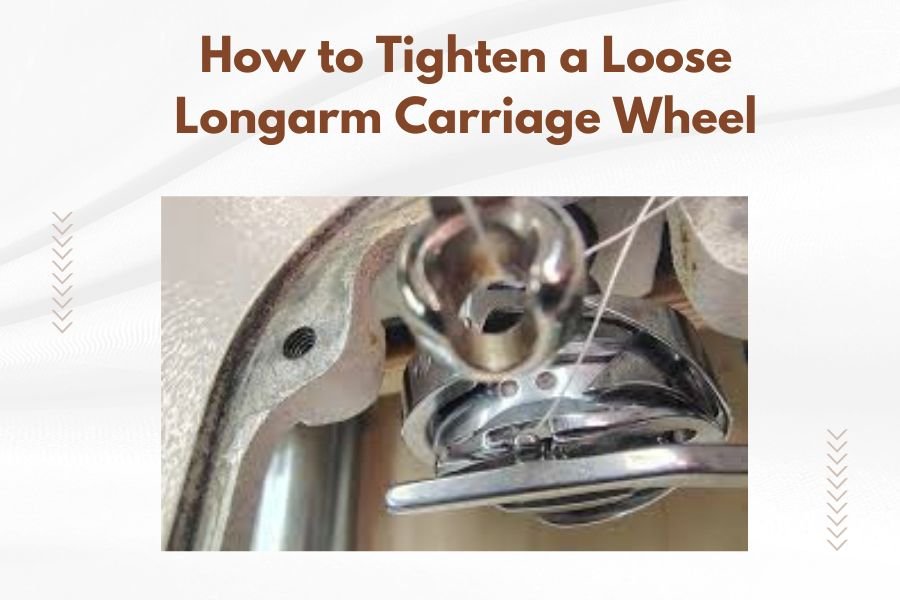
To tighten a loose longarm carriage wheel, locate the adjustment bolts on the wheel assembly and turn them clockwise using the appropriate wrench or tool.
Most longarm carriage wheels use either hex bolts or thumbscrews that can be tightened by hand or with basic tools to restore proper tracking.
Why Your Longarm Carriage Wheel Gets Loose
Your longarm quilting machine works hard. All that back-and-forth motion creates vibration. Over time, this constant movement loosens the bolts that hold your carriage wheels in place.
Think of it like a car tire that needs periodic tightening. The more you use your machine, the more likely things are to work loose. This is normal wear and tear, not a sign your machine is failing.
Common Signs of Loose Wheels
You’ll notice these problems when your carriage wheels need attention:
- Machine feels wobbly during quilting
- Uneven stitch quality or skipped stitches
- Grinding or clicking sounds from the carriage
- Visible gaps between wheel and track
- Machine rolls backward when you let go
Tools You’ll Need for the Job
Good news – you don’t need a toolbox full of fancy equipment. Most wheel adjustments require basic tools you probably already have.
Essential Tools
- Hex key set (also called Allen wrenches)
- Adjustable wrench or socket set
- Small flashlight or phone light
- Clean cloth for wiping parts
- Your machine’s manual (if available)
Safety First
Always turn off your machine and unplug it before making any adjustments. You don’t want the machine moving unexpectedly while you’re working on it.
Step-by-Step Wheel Tightening Process
Let’s walk through this together. I found that most quilters can handle this repair in about 15-20 minutes once they know what to look for.
Step 1: Locate the Problem Wheel
Roll your carriage back and forth slowly. Listen for unusual sounds and feel for wobbling. The problem wheel will usually make itself known pretty quickly.
Most longarm machines have four wheels – two on each side of the carriage. Check all four, even if only one seems loose.
Step 2: Find the Adjustment Points
Look closely at each wheel assembly. You’ll see either:
- Hex bolts (most common) that require an Allen wrench
- Regular bolts that need a wrench or socket
- Thumbscrews you can turn by hand
- Set screws that adjust wheel tension
Different Machine Types
Each manufacturer does things slightly different. Some put adjustment bolts on top of the wheel assembly. Others place them on the sides or underneath.
Step 3: Make Small Adjustments
Here’s where patience pays off. Turn each bolt clockwise just a quarter-turn at a time. Test the wheel after each adjustment.
Why go slow? I researched this and found that over-tightening can actually damage the wheel bearings or create new problems.
Testing Your Work
After each small adjustment, roll the carriage gently. The wheel should move smoothly without binding or wobbling.
Troubleshooting Common Problems
Sometimes tightening the obvious bolts doesn’t solve the problem. Here are other things to check.
Wheel Won’t Stay Tight
If your wheel keeps coming loose after tightening, you might have worn threads or damaged bolts. This happens on older machines or ones that see heavy use.
Try applying a small drop of thread locker compound to the bolt threads. This helps prevent future loosening without making repairs impossible.
Wheel Feels Too Tight After Adjustment
Back off the adjustment slightly. The wheel should roll freely without resistance. Too much tension wears out bearings faster.
The Goldilocks Zone
You want the wheel snug against the track but not squeezed tight. Think “firm handshake” rather than “death grip.”
Multiple Wheels Are Loose
When several wheels need attention at once, it usually means your machine needs a general tune-up. This is normal after months or years of regular use.
Machine-Specific Adjustments
Different longarm brands have their own quirks. Here’s what I found from talking with repair technicians.
Gammill Machines
Gammill typically uses hex bolts accessible from the top of the carriage. Most require a 3mm or 4mm Allen wrench.
APQS Systems
APQS machines often have thumbscrews that you can adjust by hand. Look for knurled knobs near each wheel.
Handi Quilter Models
Many Handi Quilter machines use a combination of bolts and set screws. Check both the wheel mounting and the tension adjustment.
When to Call for Professional Help
Most wheel tightening is straightforward. But sometimes you need expert help.
Red Flag Situations
- Bolts won’t tighten or keep stripping
- Wheels are cracked or visibly damaged
- Carriage tracks are bent or worn
- You hear grinding sounds even after adjustments
- Machine pulls strongly to one side
Finding Qualified Service
Look for technicians certified by your machine’s manufacturer. Many quilt shops offer repair services or can recommend someone reliable.
Preventing Future Wheel Problems
A little maintenance goes a long way. I found that quilters who follow these simple steps have fewer wheel issues.
Regular Inspection Schedule
Check your wheels monthly if you quilt daily. Every few months is fine for occasional users. Look for loose bolts, worn wheels, or track damage.
Keep Things Clean
Dust and lint buildup can cause wheels to bind or wear unevenly. Wipe down the carriage and tracks regularly with a clean, dry cloth.
Lubrication Tips
Some wheels benefit from occasional lubrication, but check your manual first. The wrong lubricant can attract more dirt and make problems worse.
Cost Considerations
Most wheel adjustments cost nothing but your time. Even if you need professional help, basic adjustments are usually affordable.
| Repair Type | DIY Cost | Professional Cost |
|---|---|---|
| Basic tightening | $0 | $25-50 |
| Replace bolts/hardware | $5-15 | $40-75 |
| New wheels | $30-80 | $100-200 |
| Complete carriage service | $50-150 | $200-400 |
Conclusion
Tightening loose longarm carriage wheels is one of those repairs that sounds scarier than it really is. With basic tools and a little patience, you can keep your machine running smoothly.
Remember to work slowly, make small adjustments, and test everything as you go. Your quilting will be more enjoyable when your machine tracks properly and feels solid under your hands.
Don’t be afraid to tackle this repair yourself. Most quilters find it satisfying to maintain their own equipment. Just know when to call for help if things seem beyond your comfort level.
What if my longarm carriage wheel still feels loose after tightening all the bolts?
Check if the wheel itself is worn or if the bearings inside need replacement. Sometimes the mounting bracket can also become bent or damaged, preventing proper tightening. You may need professional assessment if basic adjustments don’t solve the wobbling.
How often should I check my longarm carriage wheels for looseness?
Inspect your wheels monthly if you quilt regularly, or every few months for occasional use. Heavy quilting, especially with dense patterns, creates more vibration that can loosen bolts faster. Quick weekly visual checks during regular cleaning can catch problems early.
Can I use regular household tools to tighten longarm carriage wheels?
Most wheel adjustments require hex keys or basic wrenches that many households have. Avoid using pliers or adjustable wrenches on hex bolts as they can strip the bolt heads. A basic hex key set covers most longarm machine needs and costs less than twenty dollars.
Why does only one wheel on my longarm keep getting loose while others stay tight?
That wheel likely carries more weight or stress due to your quilting style, machine setup, or slight misalignment in the carriage system. Check if that corner of the frame sits slightly higher or if the track has any irregularities that create extra pressure on that specific wheel.
Should I apply any thread locker or adhesive to longarm carriage wheel bolts?
Light-duty thread locker can help prevent repeated loosening, but avoid permanent adhesives that make future adjustments impossible. Apply just one small drop and ensure you can still remove bolts for maintenance. Some manufacturers void warranties if unauthorized chemicals are used.